
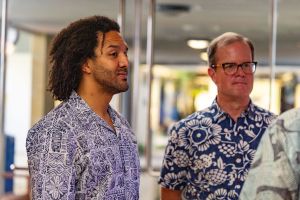
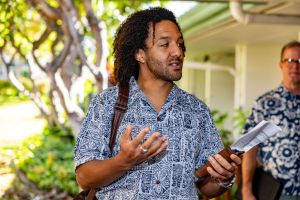
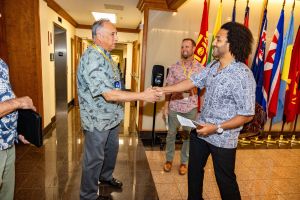
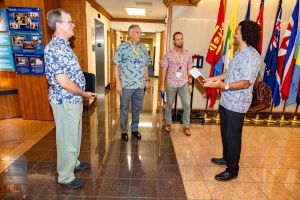
Japan Journalists and Pacific Forum
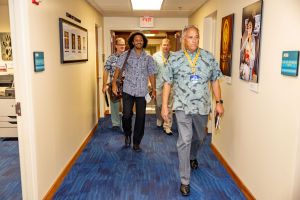
Mr. Hidetoshi Arioka, Writer
Mr. Tomoki Sato, Staff Writer
Mr. Takuro Fujimoto, Political Reporter
Mr. Kiyotaka Nagashima, News reporter and Commentator
Mr. Ryota Shimabukuro, Chief Reporter
Ms. Kai Maeda, International Affairs Reporter
Mr. Beau Miller, PAO
Mr. Manuel Jeffrey Ordaniel Sistoso, Director Maritime Security
Mr. Akira Igata, Adjunct Fellow
Ms. Ayano Nishimura, Interpreter
- Time: 3:00 p.m.
- Location: CCR
- Host: Dean Cramer
Japan Journalists and Pacific ForumMr. Hidetoshi Arioka, Writer
Mr. Tomoki Sato, Staff Writer
Mr. Takuro Fujimoto, Political Reporter
Mr. Kiyotaka Nagashima, News reporter and Commentator
Mr. Ryota Shimabukuro, Chief Reporter
Ms. Kai Maeda, International Affairs Reporter
Mr. Beau Miller, PAO
Mr. Manuel Jeffrey Ordaniel Sistoso, Director Maritime Security
Mr. Akira Igata, Adjunct Fellow
Ms. Ayano Nishimura, InterpreterTime: 3:00 p.m.
Location: CCR
Host: Dean Cramer







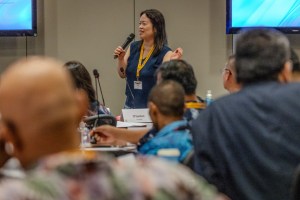


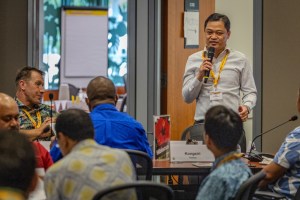


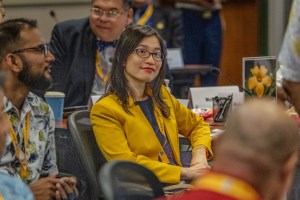
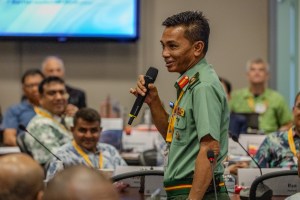
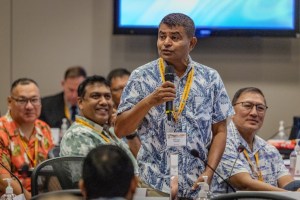

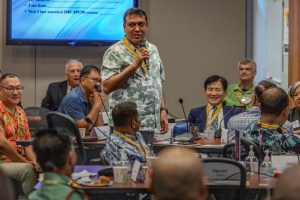

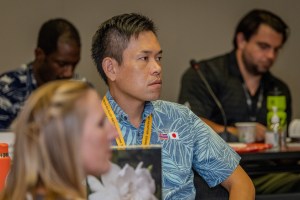
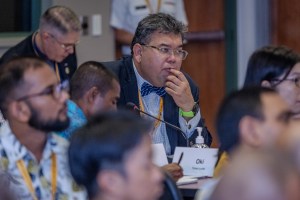
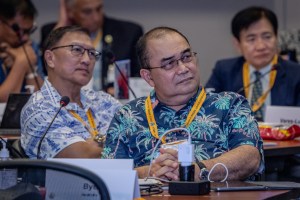

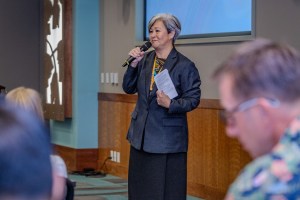
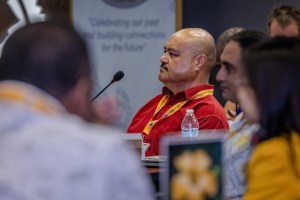
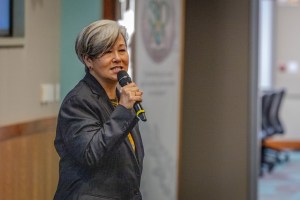
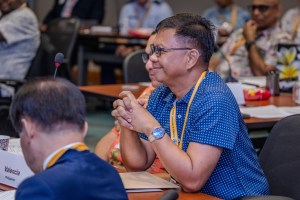
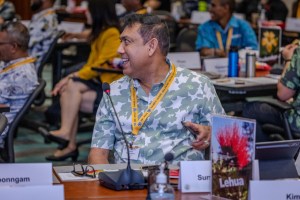



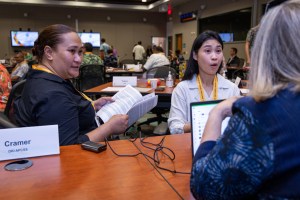
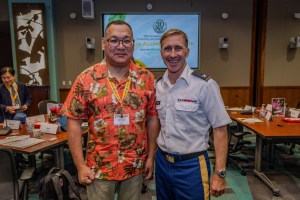
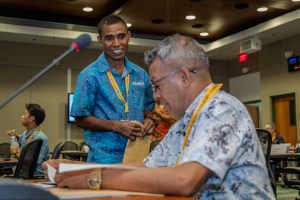


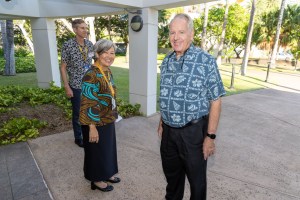
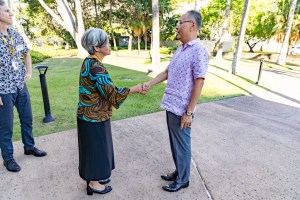
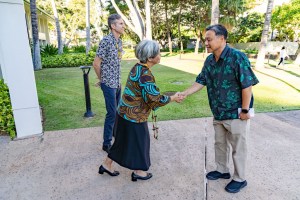
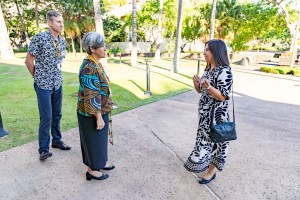
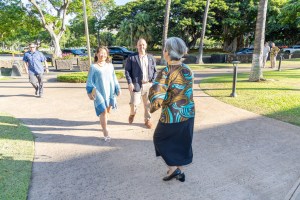
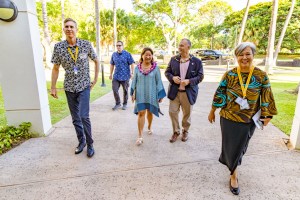

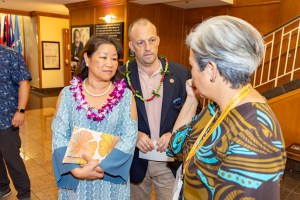





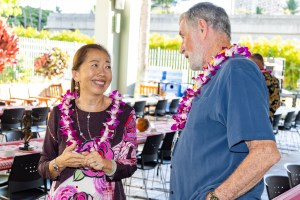











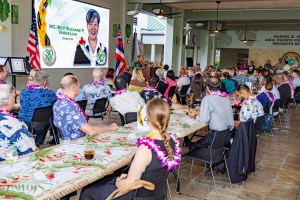



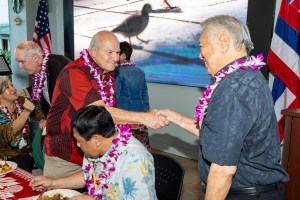

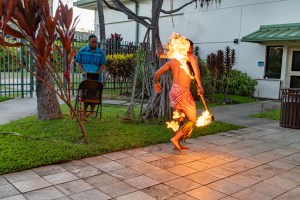














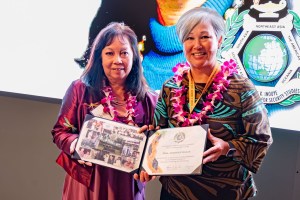



























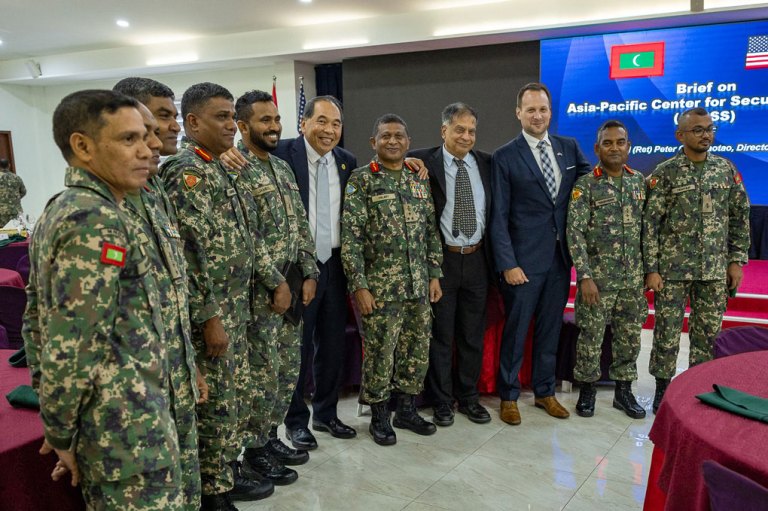 Maldives Regional Engagement
 Mongolian Regional Engagement and Alumni Association Event
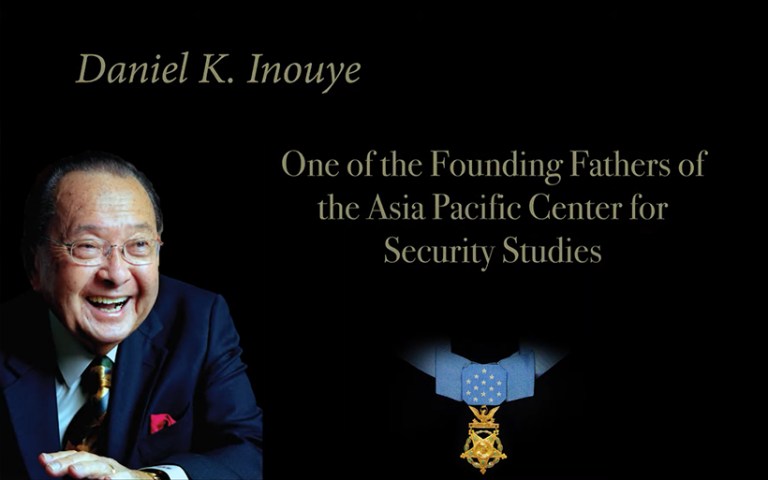 About DKI APCSS
 Claret Chonggum
Association
positions
by Dr. Jimmie R. Lackey, who was then an Army colonel, and is a former DKI APCSS executive director. The Center was renamed on February 2015 to Honor the late Senator, Daniel K. Inouye.


Our Team



News

Security Nexus Perspective: Beyond the Two Percent — A Practitioner Framework for Assessing Burden Sharing in the Indo-Pacific
A new Security Nexus Perspective by Deon Canyon and Michael Kolton, professors at the Daniel K. Inouye Asia-Pacific Center for Security Studies introduces BRISC, a practitioner framework that moves beyond the two-percent GDP metric to assess Indo-Pacific burden sharing across access, intelligence, operational, and strategic contributions.

Security Nexus Perspective: Towards a Layered Denial Strategy — Lessons from the Black Sea for Taiwan
A new Security Nexus Perspective by Moe Reichardt examines how lessons from Ukraine's use of maritime drones in the Black Sea can inform Taiwan's asymmetric defense and a layered denial strategy against potential Chinese naval coercion.

Security Nexus Perspective: Navigating the Storm — India’s Energy Security and the Strategic Pivot to the United States
A new Security Nexus Perspective by Dr. Srini Sitaraman and Ms. Anuttama Banerji examines India's energy security amid the West Asia conflict and the strategic pivot toward the United States through trade, hydrocarbons, and clean-energy cooperation.

Security Nexus Perspective: Shaping Access Terrain — Accepting the Loan, Ceding the Terrain
A new Security Nexus Perspective by Dr. Deon Canyon examines how states cede strategic control by accepting infrastructure financing without access conditions, using Cambodia, Vanuatu, and Kiribati to show why shaping access terrain before construction is essential to preserving sovereignty.

New Security Nexus Perspective: Deterrence of Biotechnological Threats
A new Security Nexus Perspective paper by Ethan Allen examines the geopolitical risks of rapid biotechnology advances, China's rise as a biotech superpower, the threat of bioweapons, and how the U.S. and its allies can strengthen deterrence, detection, and response in this critical arena of great power competition.
 The stories posted here are only excerpts. Please go to our website to read the full articles.
apcss.org/latest-news
 The Commission of the Council on Occupational Education (COE) granted accreditation to the Daniel K. Inouye Asia-Pacific Center for Security Studies on September 16, 2021.