

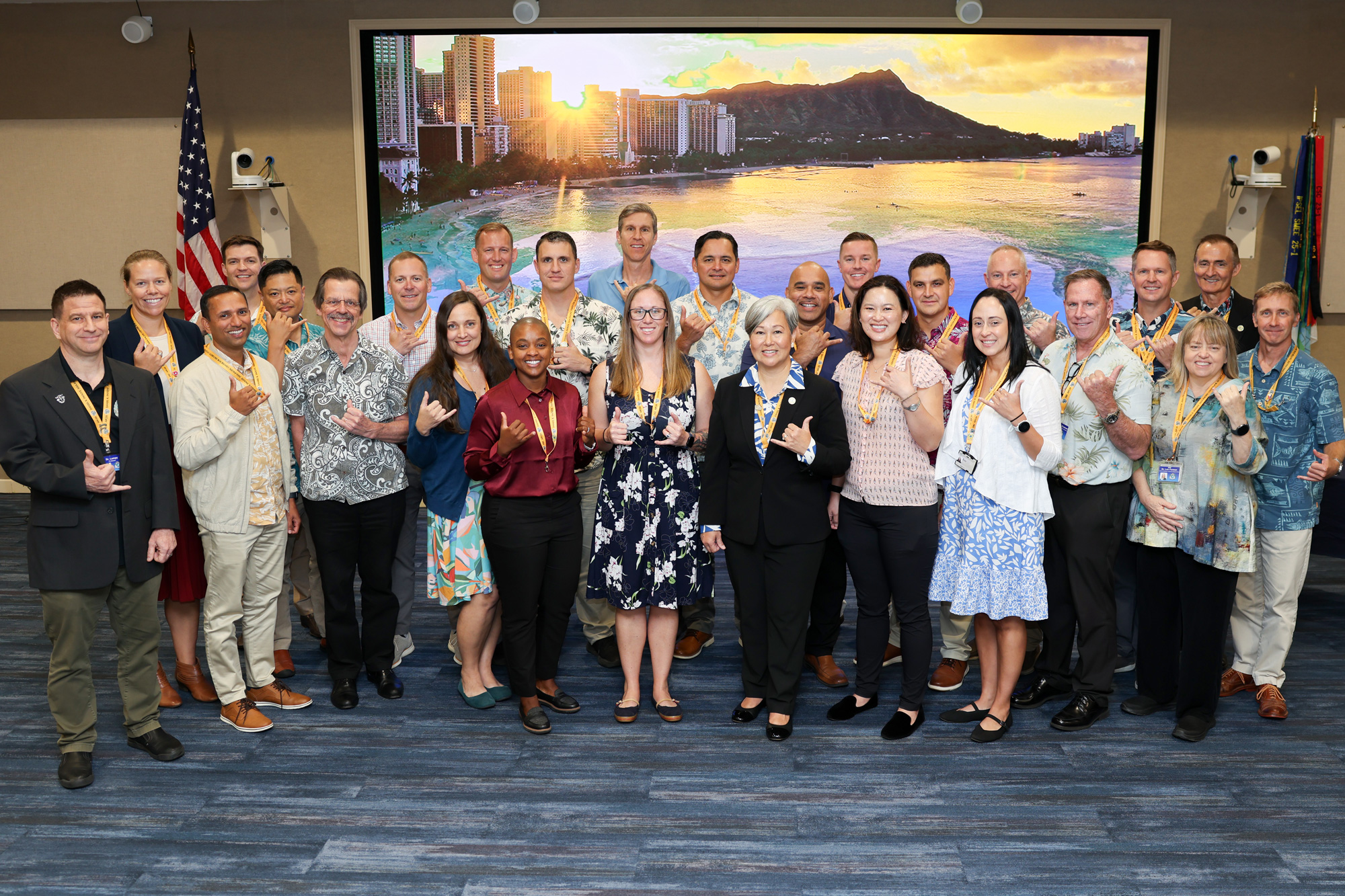
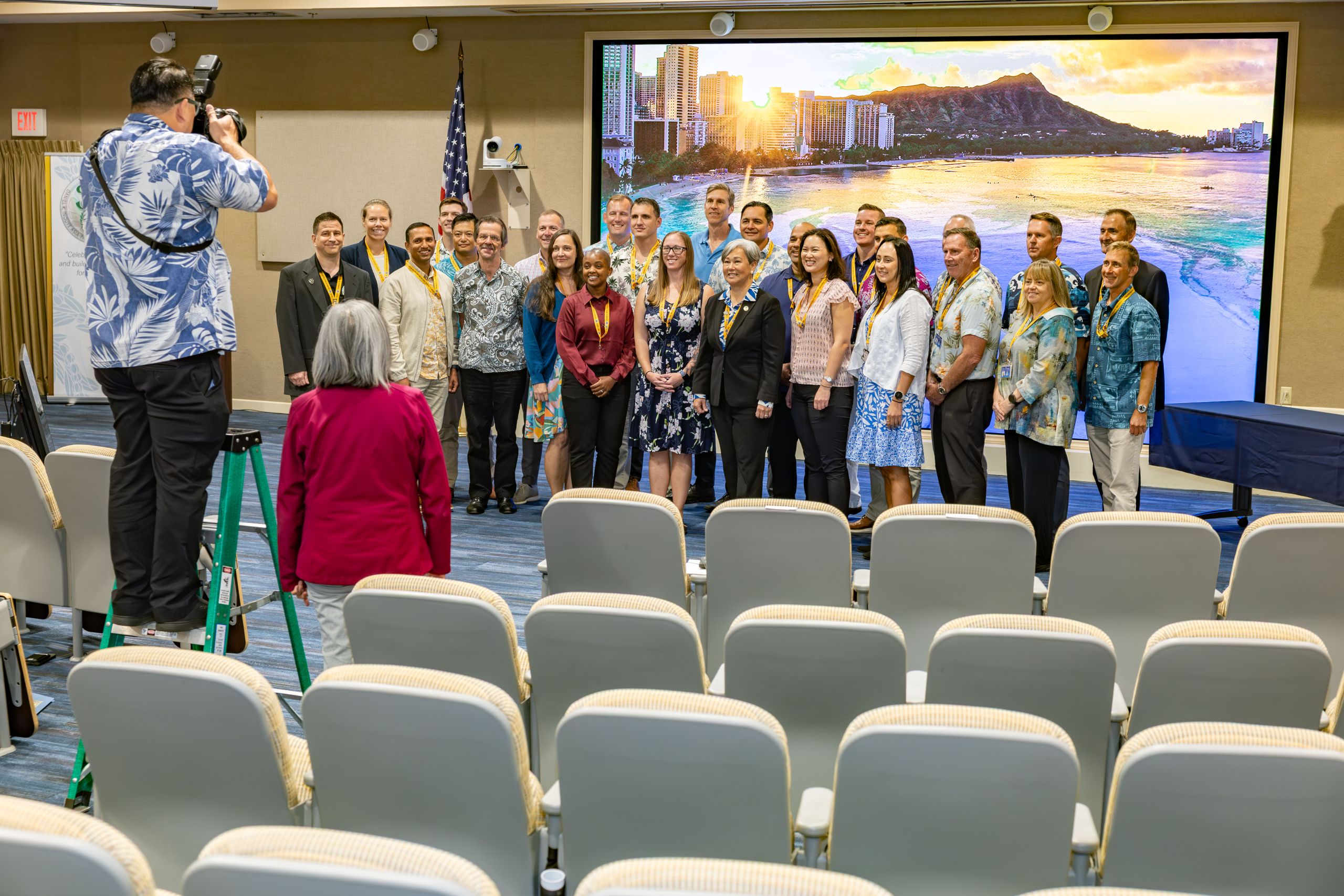
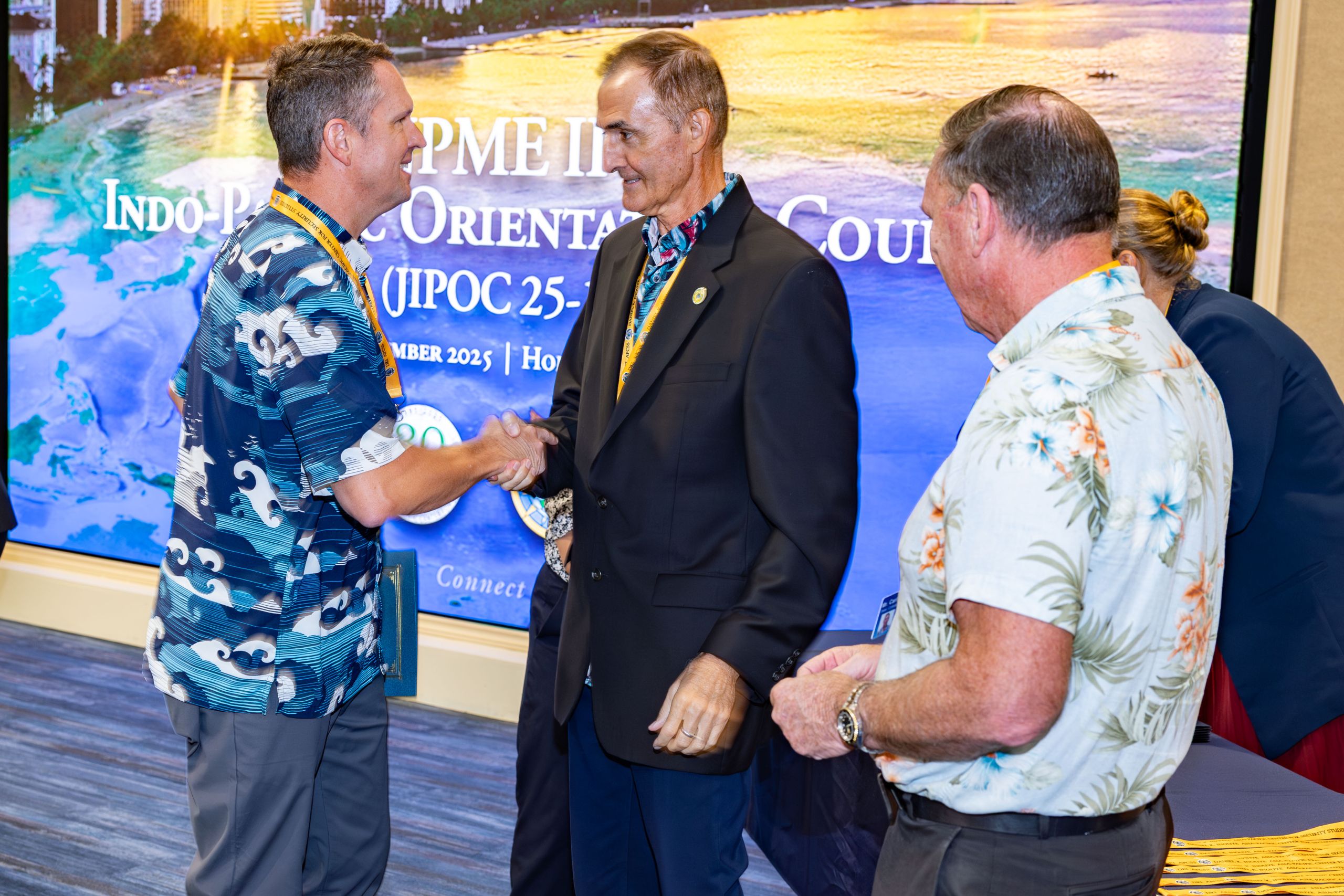
Honolulu, Hawaii — The Daniel K. Inouye Asia-Pacific Center for Security Studies (DKI APCSS) successfully hosted the first-ever JPME2 Indo-Pacific Orientation Course (JIPOC 25-1), a 13-week, specially designed executive education program that concluded in December 2025. This landmark effort, a collaboration between DKI APCSS, the National Defense University (NDU), and U.S. Indo-Pacific Command (USINDOPACOM), enhanced the capabilities of U.S. security practitioners focused on the Indo-Pacific region.
Program Background and Commander’s Guidance
The JIPOC initiative grew out of the success of the first-ever satellite Joint Professional Military Education Level 2 (JPME2) course iteration held in Hawaii from January to March 2025. Following this, Admiral Sam Paparo, Commander, USINDOPACOM, provided guidance seeking more complex engagements to develop Indo-Pacific Subject Matter Experts (SMEs) for the Department of War.
In response, DKI APCSS, NDU, and USINDOPACOM collaborated to execute a comprehensive program spanning from September to December 2025, combining the NDU JPME2 core curriculum with a specialized, two-week, DKI APCSS Indo-Pacific-focused course.
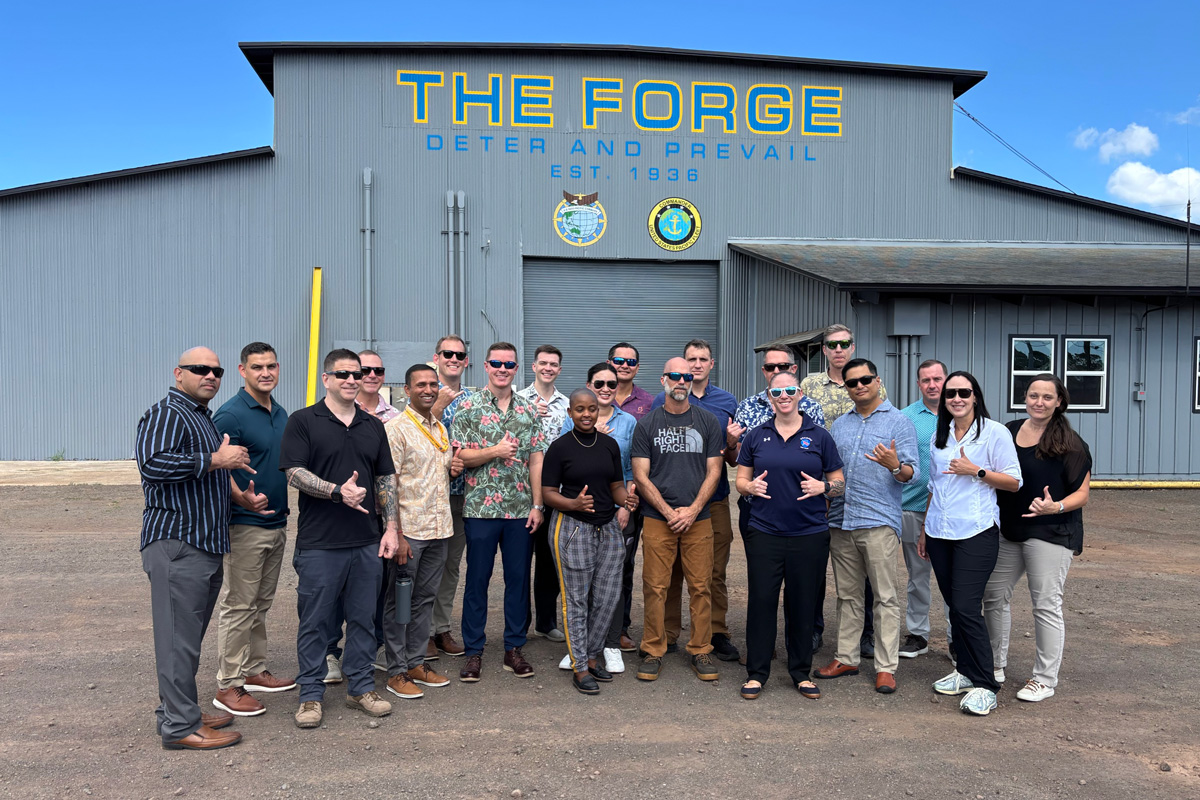
JIPOC 25-1 visited The Forge at Schofield Barracks, Hawaii, a facility developed through a multi-year partnership between USINDOPACOM and the Department of War’s Innovation Capability and Modernization Office. Funded by the Industrial Base Analysis and Sustainment Program, The Forge employs advanced manufacturing technologies such as 3D printing, precision machining, casting, forging, and rapid prototyping to maintain the U.S. military’s edge and sustain the Joint Force.
Course Structure and Timeline
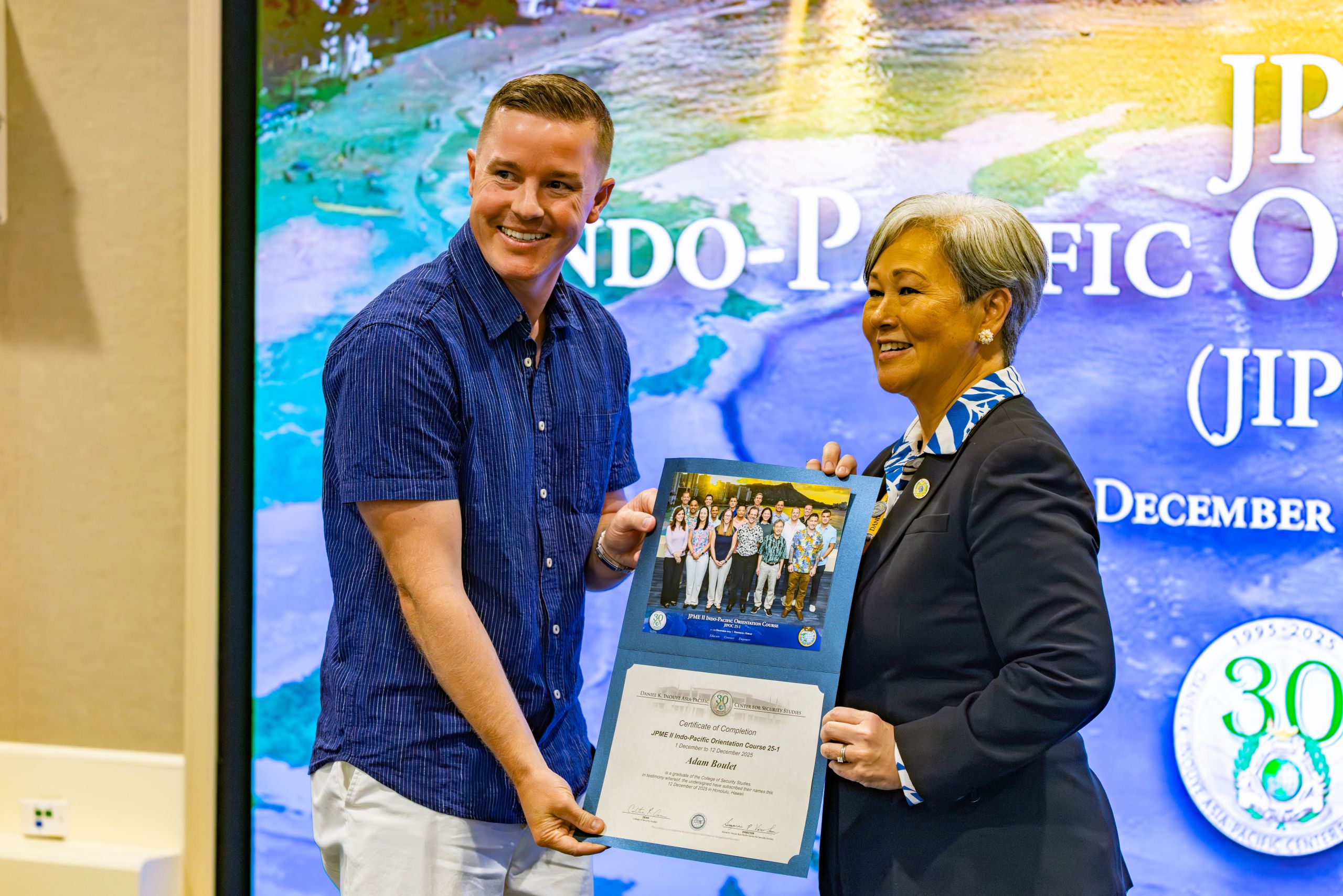
The rigorous 13-week program was executed entirely at the DKI APCSS facility at Fort DeRussy, Hawaii. Fellows first completed the 10-week core JPME2 curriculum, provided by NDU faculty. They then transitioned to a specialized, two-week JPME2 Indo-Pacific Orientation Course (JIPOC) curriculum provided by DKI APCSS faculty. Upon completion, the Fellows received JPME2 qualification from the Department of War and were also granted DKI APCSS alumni status, integrating them into a powerful network of scholars and practitioners across the region.
JIPOC Focus and Key Engagements
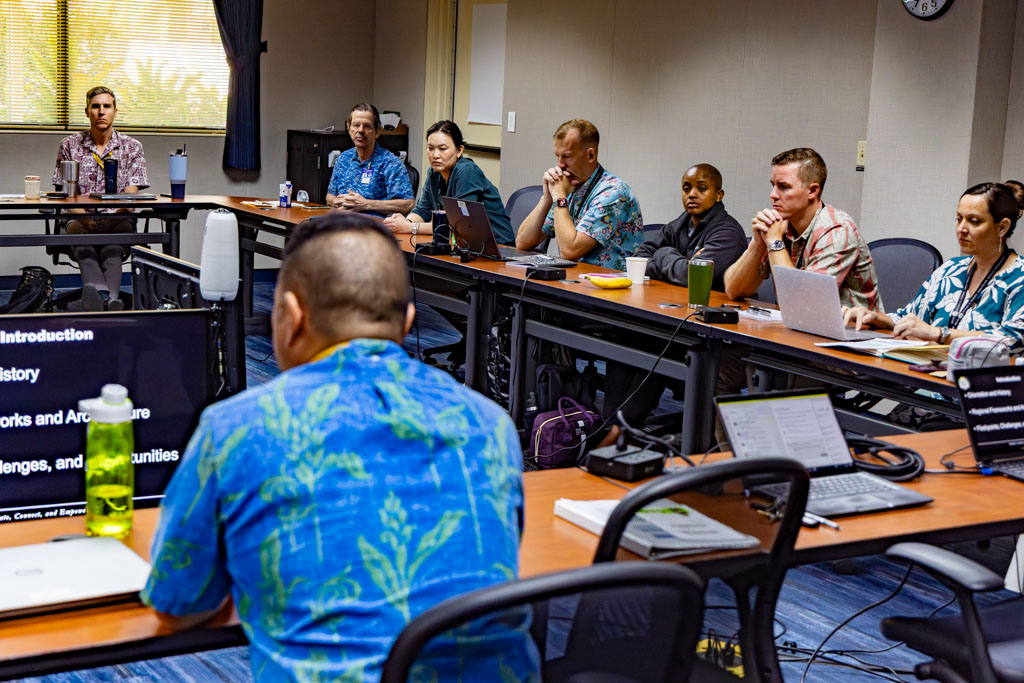
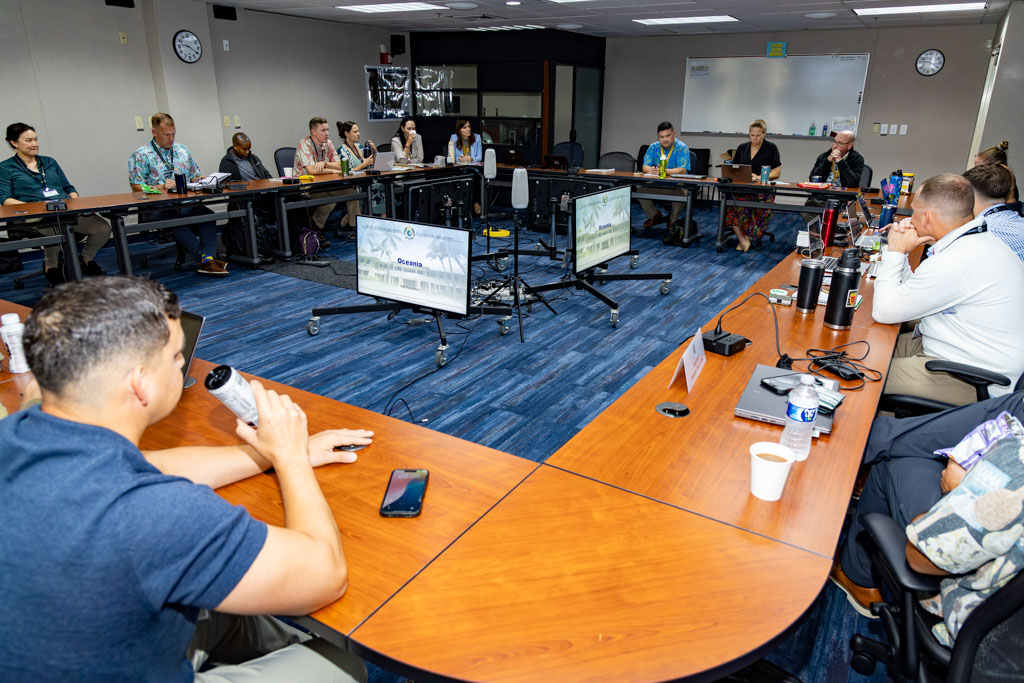
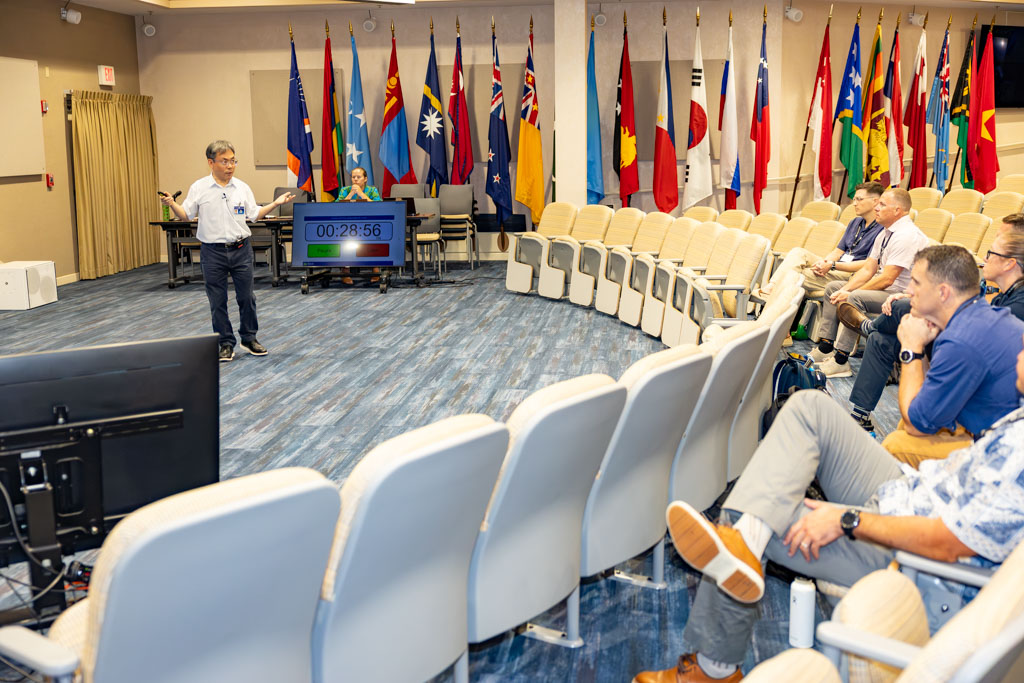
The two-week JIPOC segment, which gave the course its unique character, centered on complex security dynamics within the Indo-Pacific. Plenary presentations from the subject-matter-expert Faculty at DKI APCSS featured deep dives into:
- Strategic Competition and the U.S. role in the Indo-Pacific.
- Regional-specific analyses, including South Asia, Southeast Asia, Northeast Asia, and Oceania.
- Critical topics such as Cyber Warfare, Space, Cognitive Warfare, Economic Statecraft, Transnational Organized Crime, Deterrence, Gray Zone Competition, Cognitive Warfare, Economic Security, Disruptive Technology, Maritime Security, the Character of War, and Defense Industrial Base (DIB) strategies.
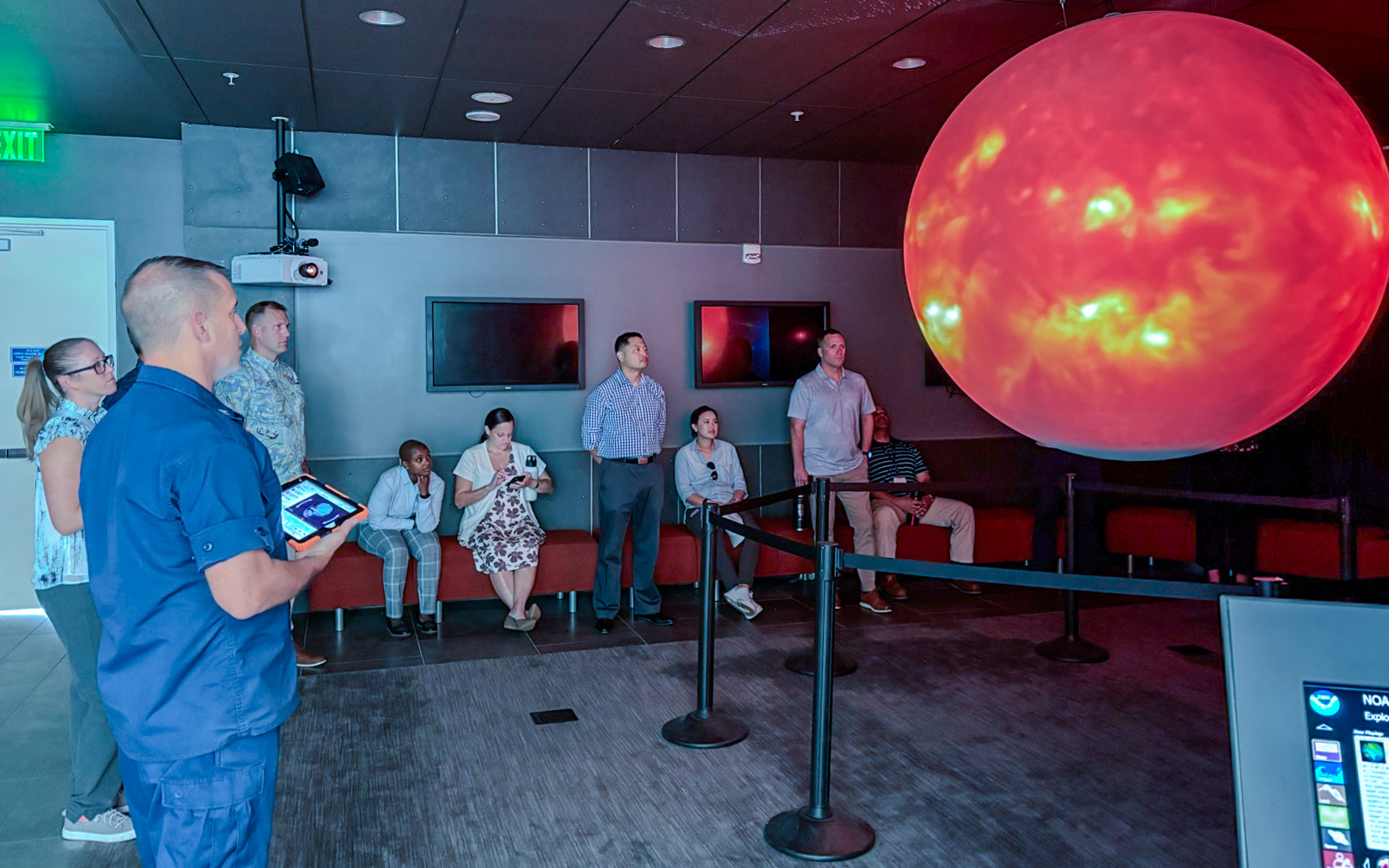
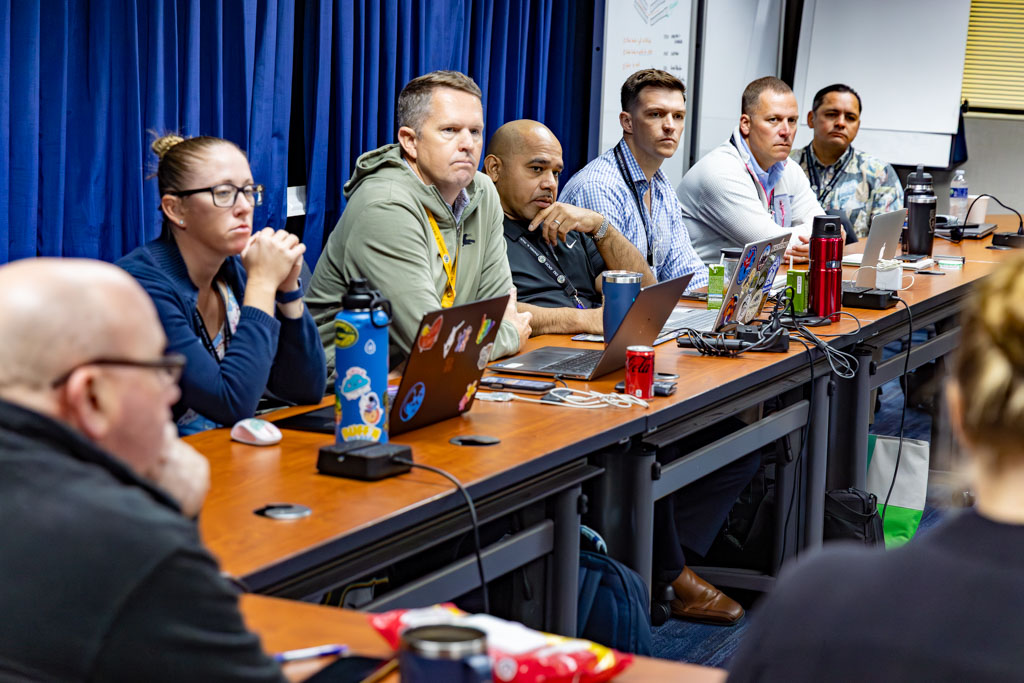
The course utilized four key learning modules: Plenaries by Subject Matter Experts, small-group Seminars to consolidate learning and foster critical thinking, and valuable Off-Sites to key facilities, leaders, and organizations throughout Oahu.
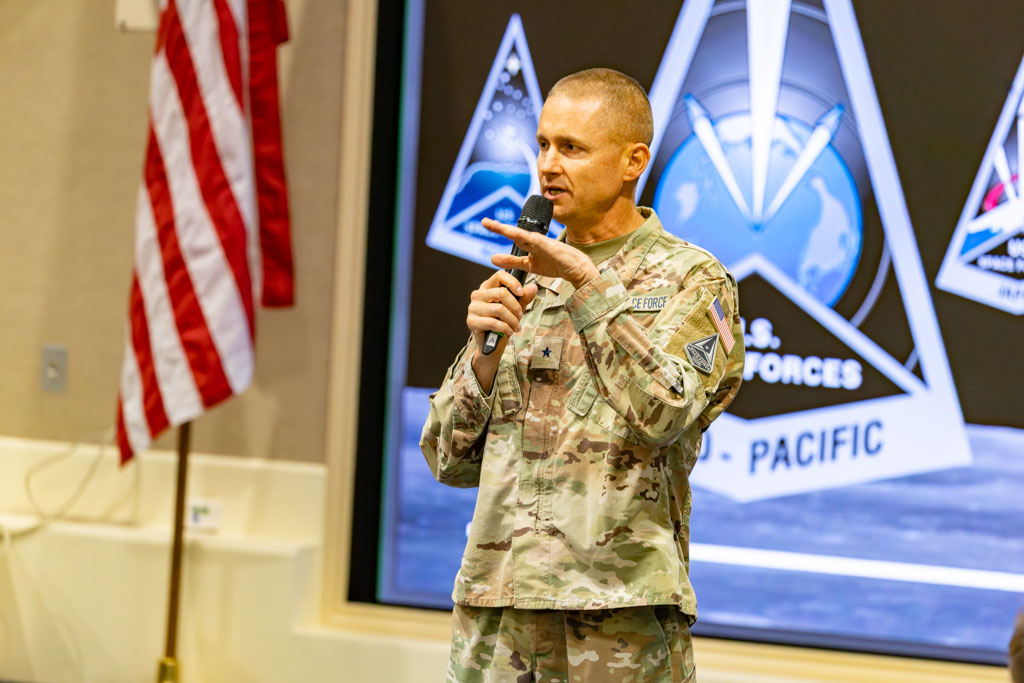
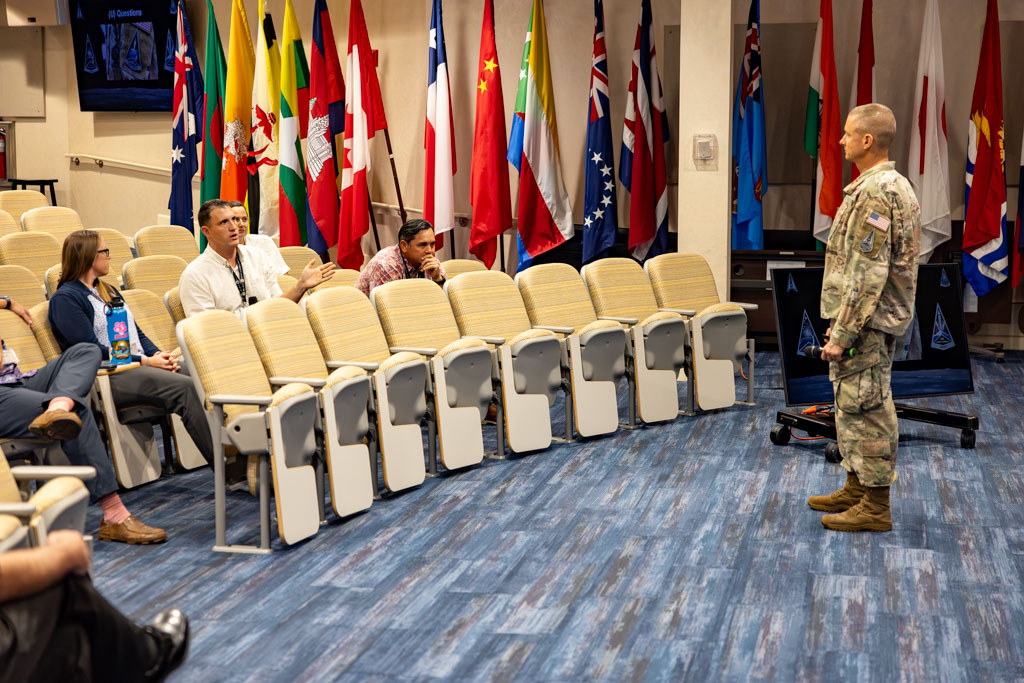
The Fellows also benefitted from crucial Key Leader Engagements (KLEs), including discussions with two VIP guest speakers: Brig. Gen. Brian Denaro, Commander Space Force Indo-Pacific (SPACEFOR-INDOPAC), and Gen. Kevin Schneider, Commander Pacific Air Force (PACAF). Fellows were also integrated into a Table-Top Exercise (TTX) alongside senior 3- and 4-star partner-nation leaders, and their civilian equivalents, attending the concurrent Transnational Security Cooperation (TSC) course on the DKI APCSS campus, enhancing cross-course collaboration.
Fellows enhanced their understanding of strategic issues and trends, improved their knowledge of Indo-Pacific countries and sub-regions, and critically analyzed key security dynamics. The course also helped connect participants, expanding their professional networks and integrating them into the DKI APCSS alumni community, thereby improving civil-military relations and security sector effectiveness. Ultimately, the Fellows were empowered with capacity to enable the American and promote security sector cooperation with allies and partners across the region.
DKI APCSS, working as a vital mission partner with USINDOPACOM and NDU, successfully built capacity for U.S. security practitioners through this specialized program, reinforcing cooperative efforts aimed at deterrence as well as preparedness to fight and win if necessary.











Leave A Comment