

by Douglas Carroll, DKI APCSS Public Affairs Specialist
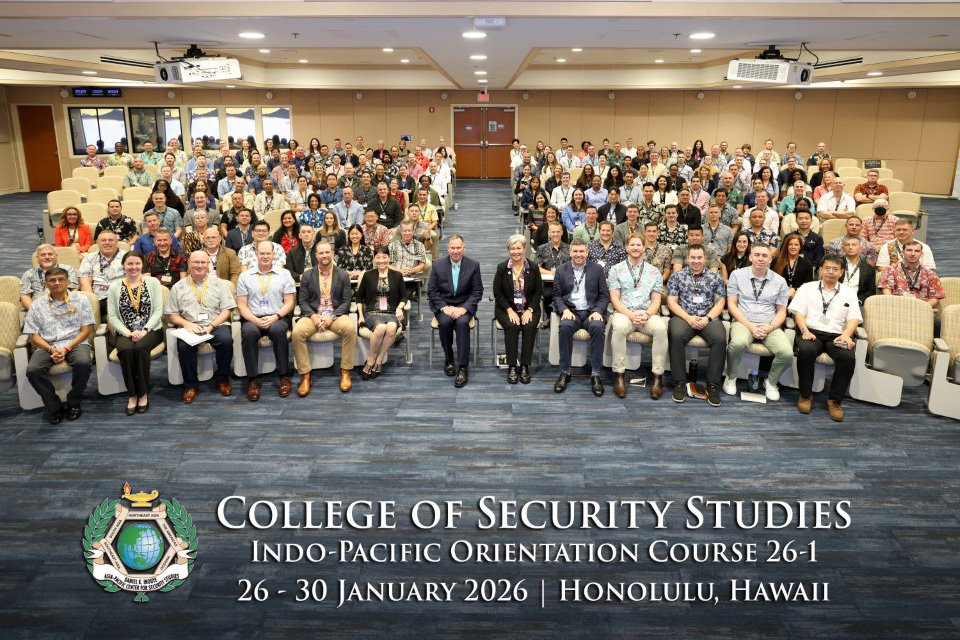
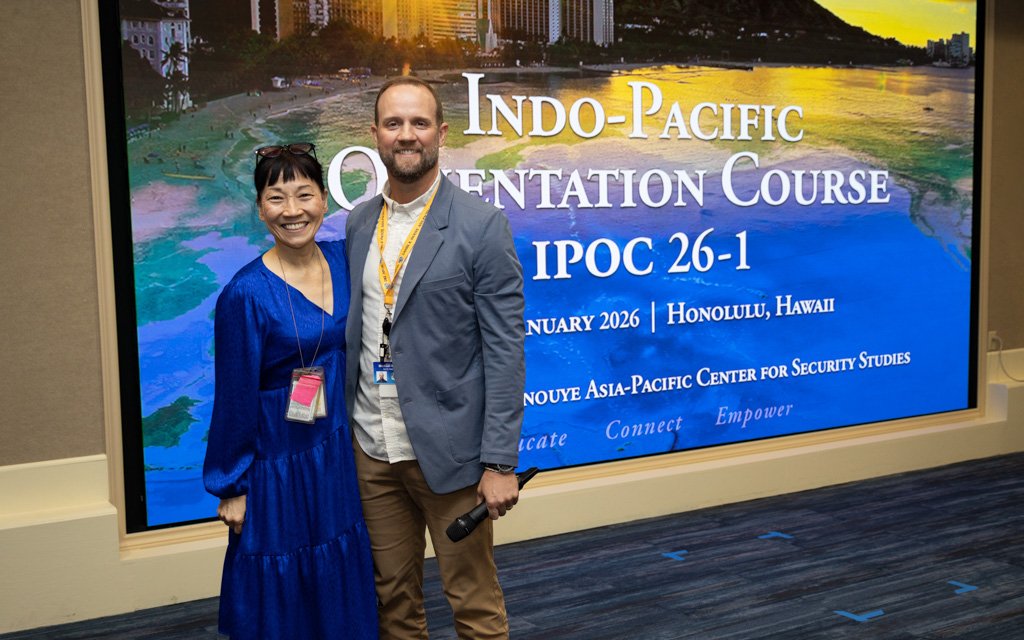
HONOLULU, Hawaii – In late January, the Daniel K. Inouye Asia-Pacific Center for Security Studies (DKI APCSS) conducted the first Indo-Pacific Orientation Course of the year, IPOC 26-1. This weeklong program delivered an intensive executive education experience for mid-career to senior-level professionals committed to strengthening deterrence, resilience, and regional cooperation. The 144 Fellows who participated in the course represented eight different countries and were a unique blend of defense, law enforcement, diplomatic, maritime, and civilian security practitioners.
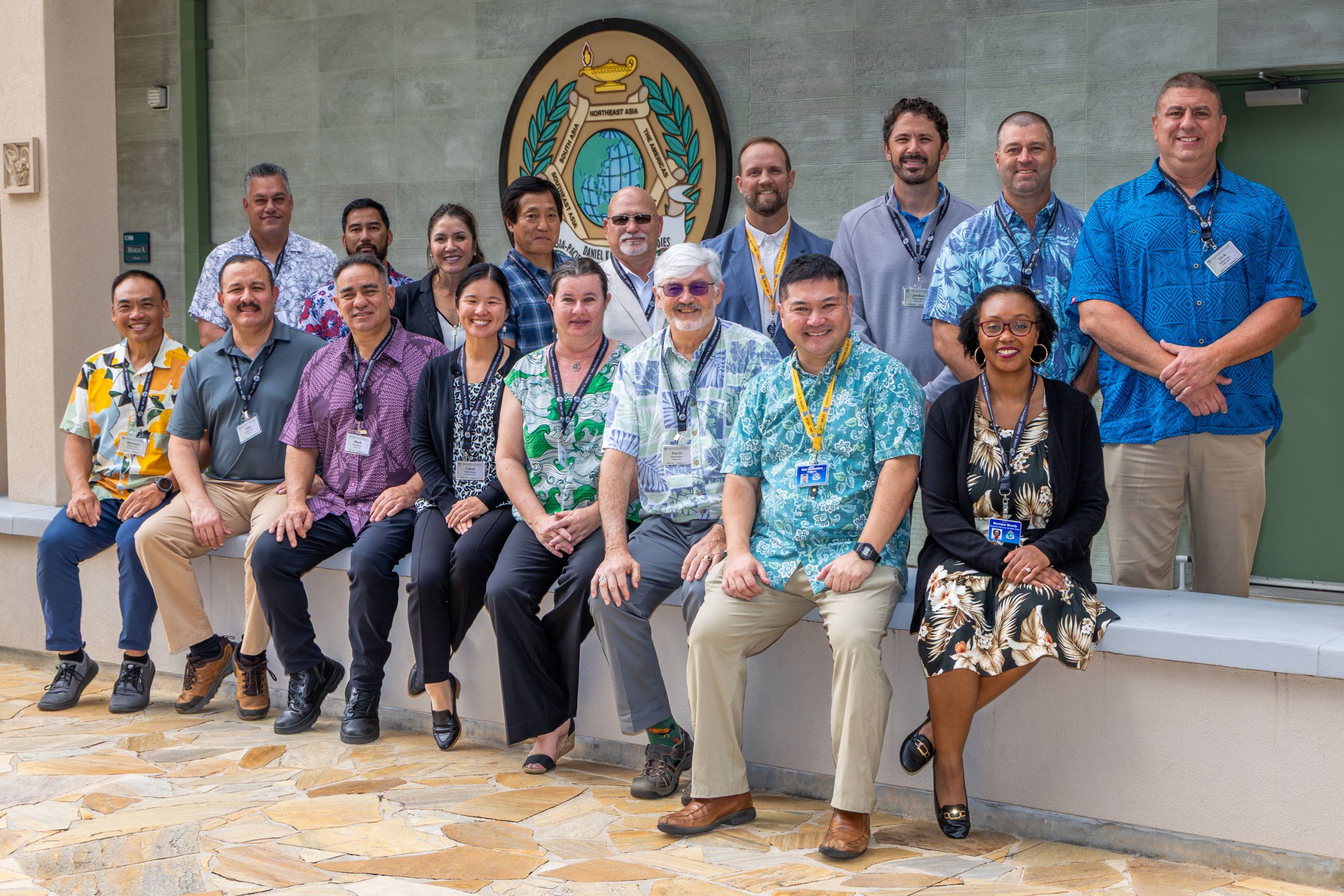
IPOC 26-1 also had the distinction of hosting the Center’s first-ever Emergency Management cohort, featuring police, fire, and emergency management representatives from across the Hawaiian Islands who are integral to our homeland defense. The addition of this particular contingent helped in building the necessary connective tissue between our military and civilian stakeholders, and both federal and state government agencies in bolstering homeland defense and critical incident response in the event of a crisis.
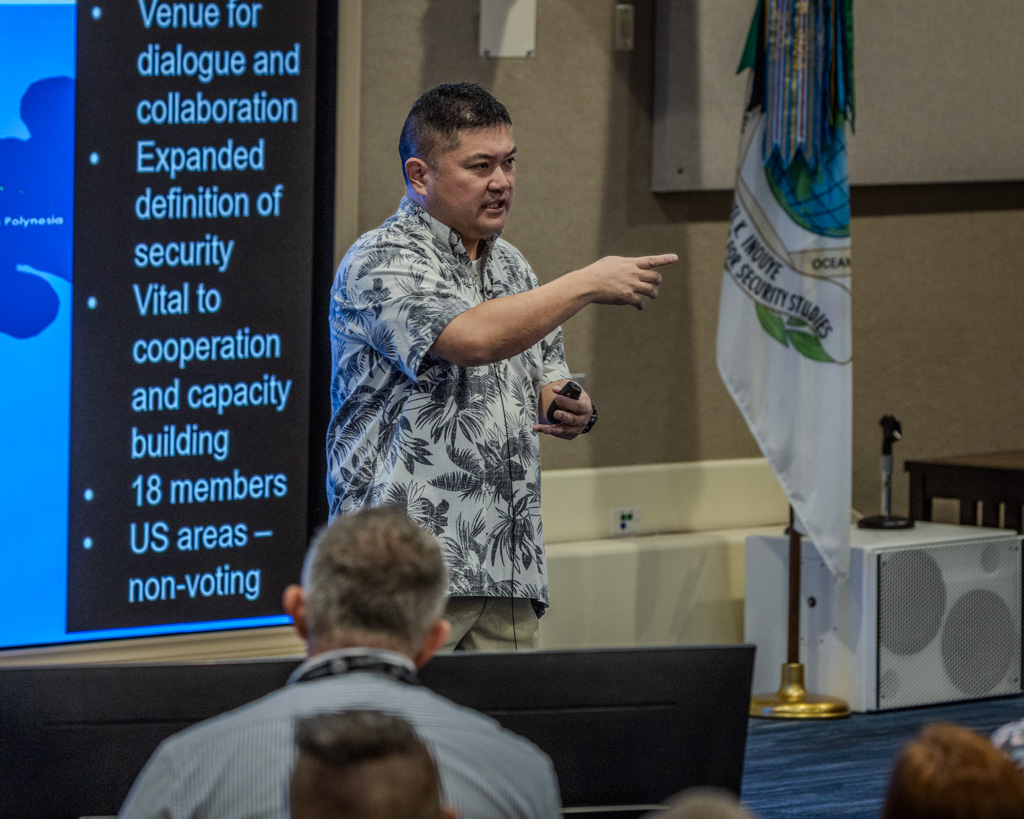
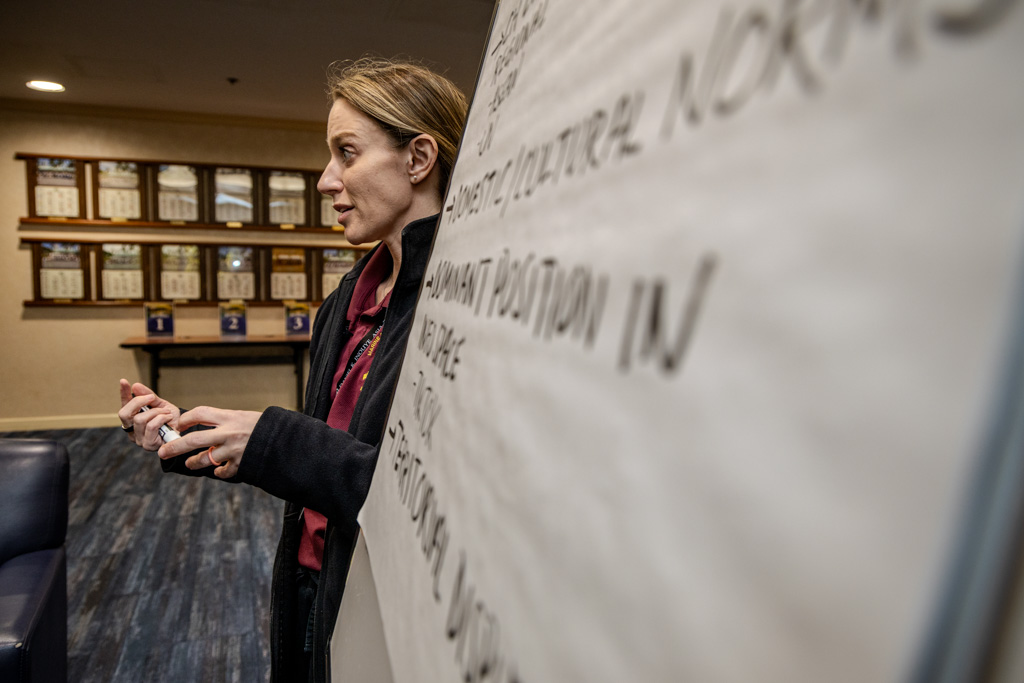
DKI APCSS professor Neil Kaneshiro, who has been on the Center’s faculty for over three years, led the cohort seminar alongside Anna Ryan, NCIS special agent in charge from the Hawai`i field office.
“The impetus of the cohort was to get at the priorities that have been issued within the National Defense and National Security Strategies, which is focused on defense of the homeland,” said Kaneshiro.
“Hawai`i is the homeland. It seemed appropriate to begin that conversation by inviting state and county emergency management officials and first responders who really are dealing firsthand with what homeland defense means.”
The Aloha State truly is a paradise in the middle of the Pacific Ocean, staking out the western front of the nation, 2,500 miles from the mainland. Yet the vast distance also makes this green and blue lei of eight major islands, with a population of about 1.5 million people, quite vulnerable to disasters both natural and man-made. Communications and coordination between local officials, the federal government and the U.S. military are daily critical enterprises.
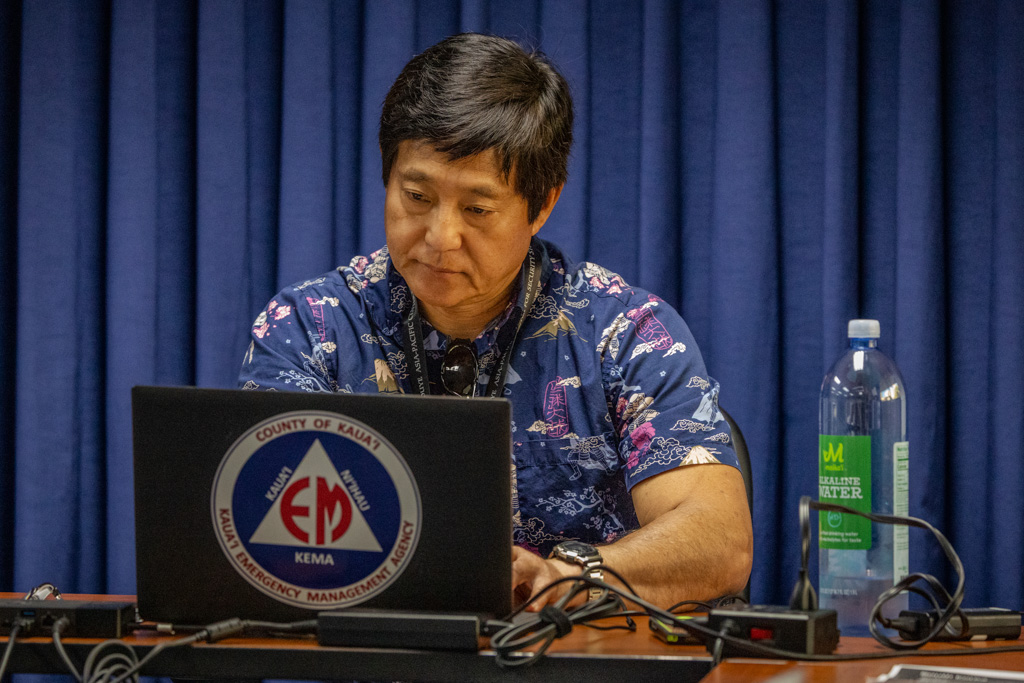
Elton Ushio, the administrator of the Kaua`i Emergency Management Agency
Elton Ushio, the administrator of the Kaua`i Emergency Management Agency (KEMA), flew in from the Garden Isle to attend the course at the Center in Waikiki, Hawaii. As the head of the agency, his phone and laptop were always close at hand, just in case; still, he dove headlong into the course, finding the breadth and depth of subject matter fascinating.
“On Kaua`i, my job is to lead all of our efforts, whole of government and whole of community coordination, with everyone doing their individual best, to prepare for, mitigate against, respond to, and recover from natural, human-caused, or hybrid disasters that threaten us, and I love my job,” said Ushio.
“The geo-political and military complexities of the Indo-Pacific region, admittedly, might be some course material that is outside my wheelhouse. But it is eye-opening and gives me a far greater understanding and appreciation of the global perspective. That, in itself, provides me better focus and a better ability to brief senior leadership at the county level, particularly our critical infrastructure partners.”
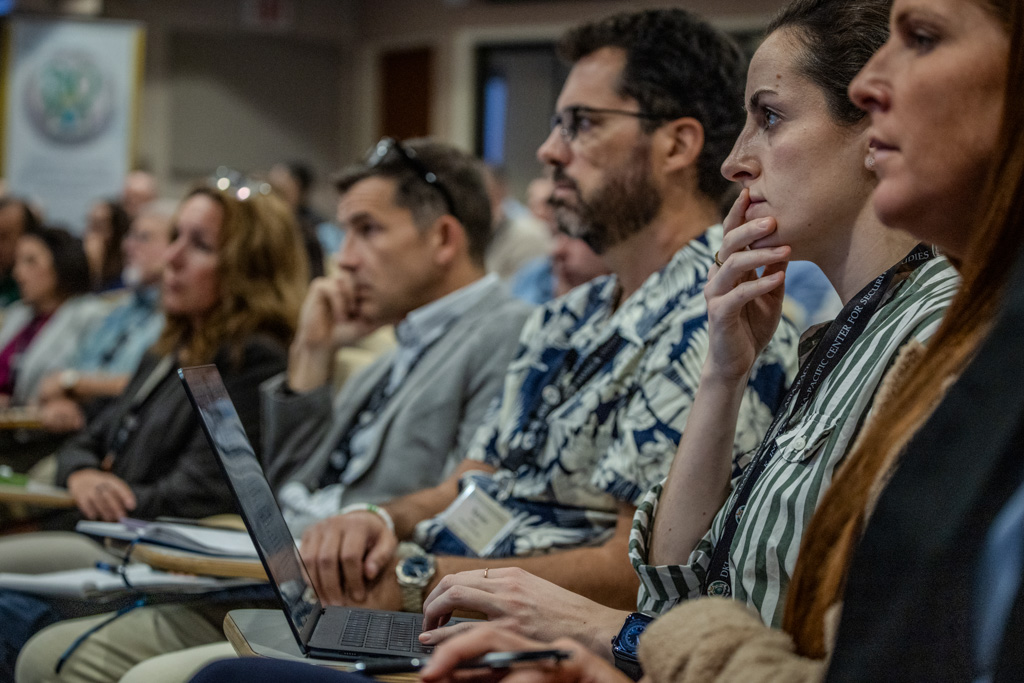
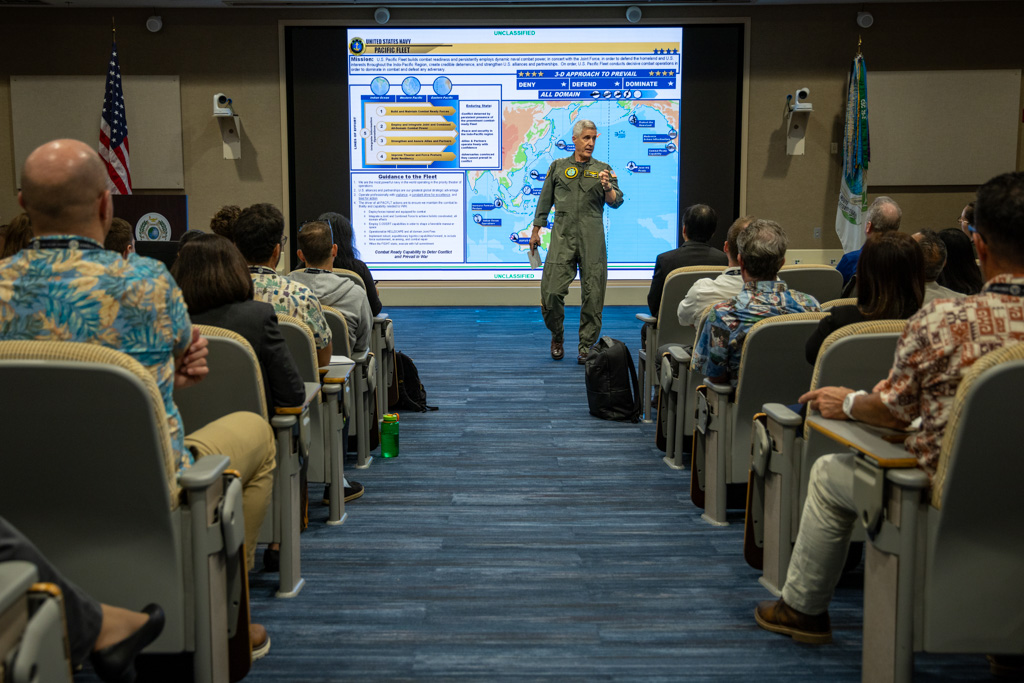
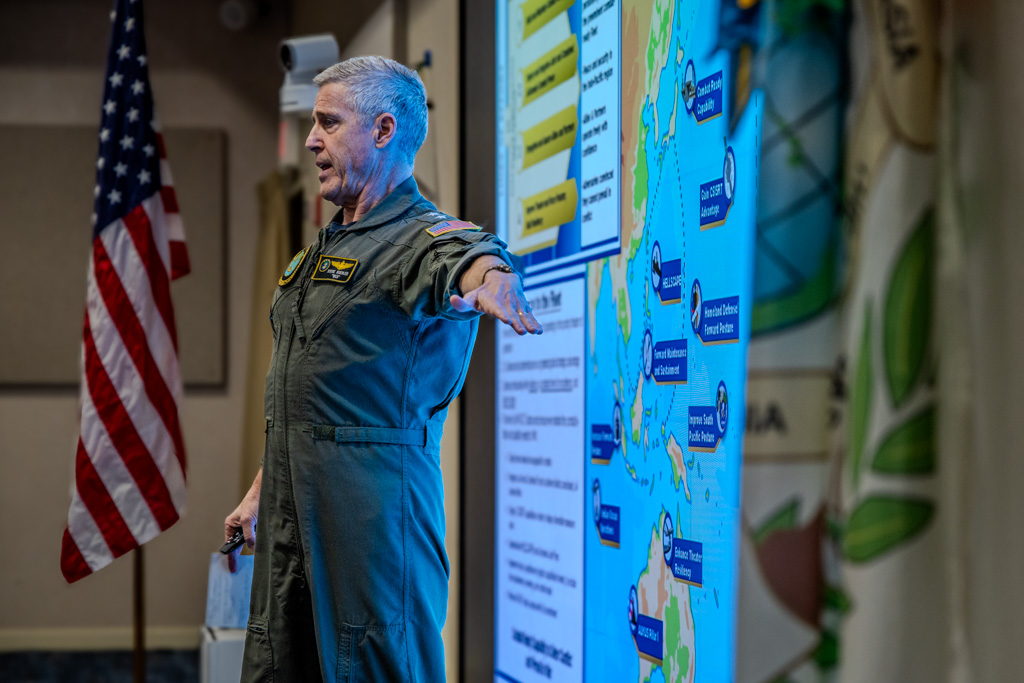
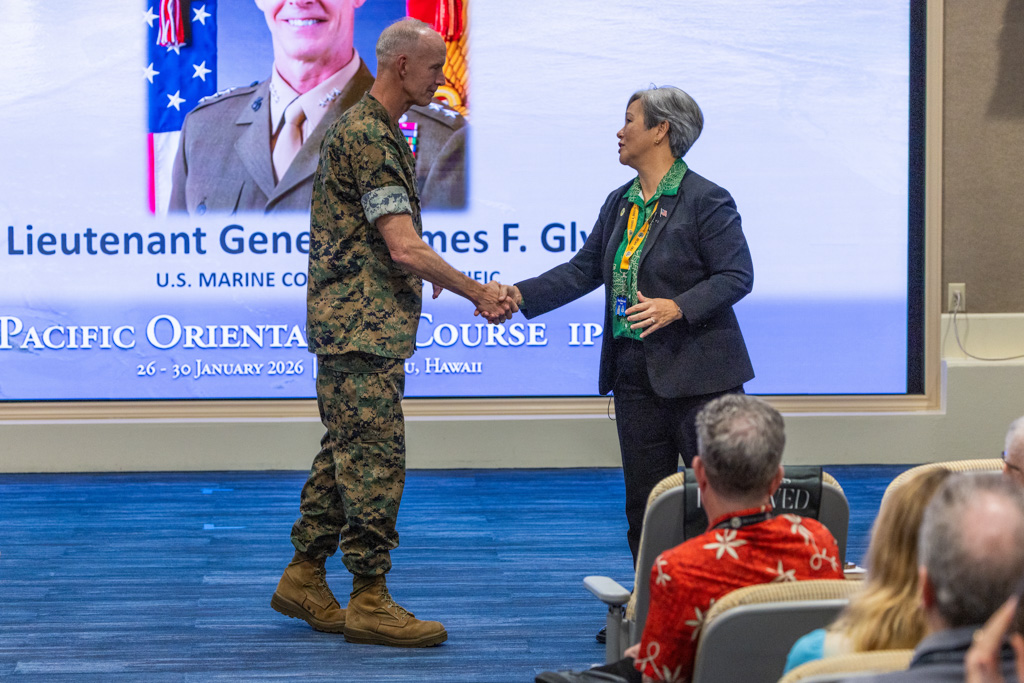
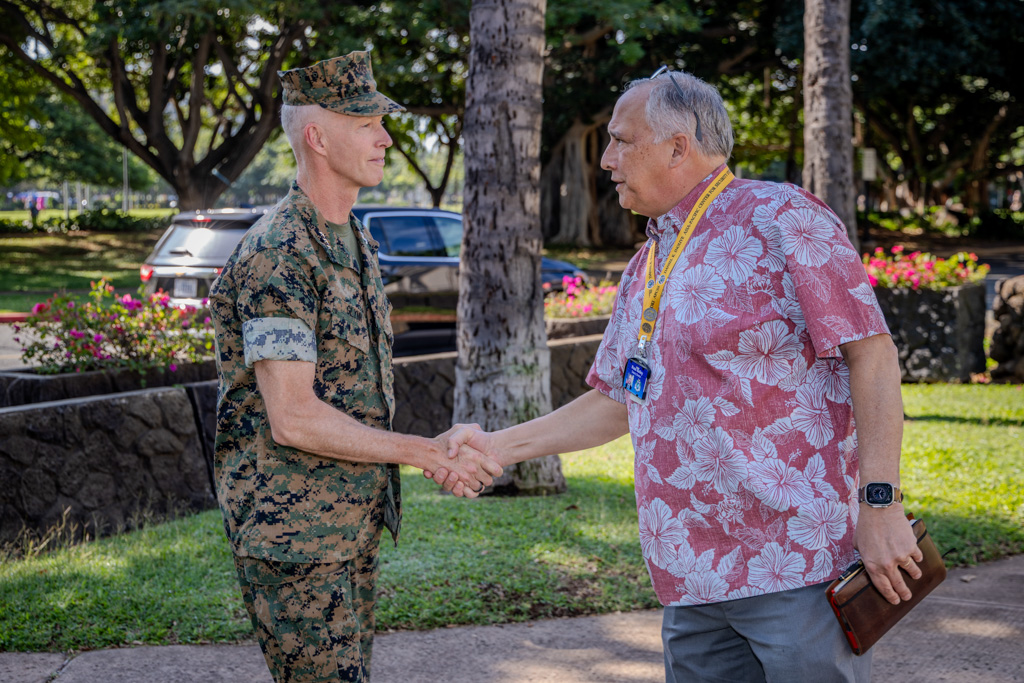
The cohort of fifteen professionals, ranging in specialties from EMS Captain, to Fire Battalion Chief, to Mass Care and Human Services Planner, truly expanded their horizons with plenaries covering China, South Asia, and Oceania; electives including Space & Cyber, AI and Tech, and Undersea Cables; and engaging with guest speakers Adm. Steve Koehler, commander of the United States Pacific Fleet, and Lt. Gen. James Glynn, commander of the Marine Corps Forces, Pacific.
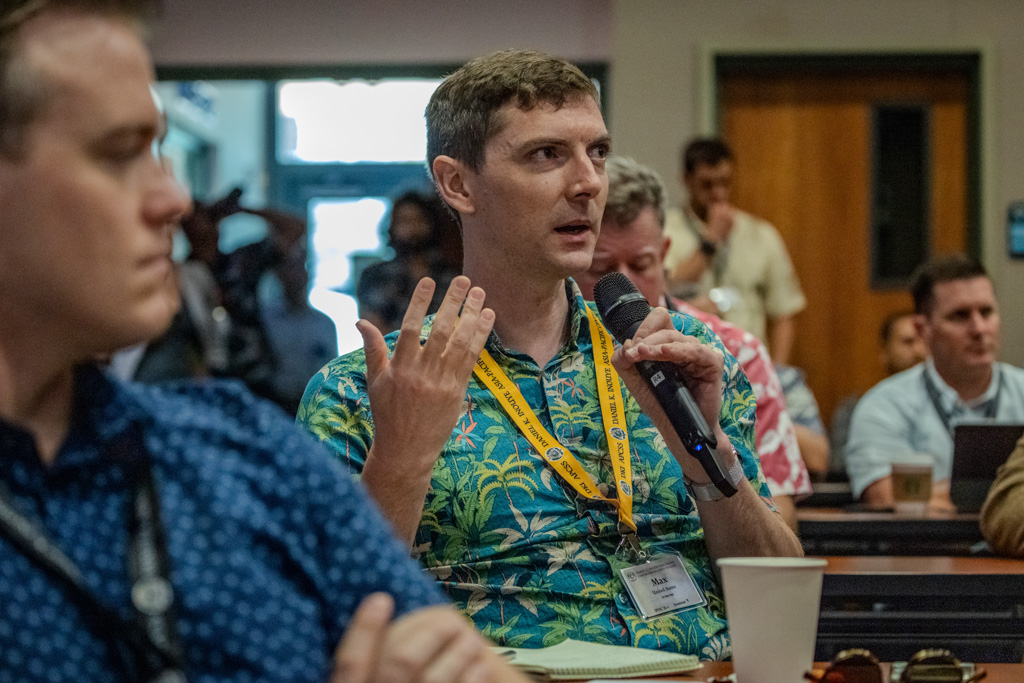
Professor Kaneshiro conducted each day’s emergency management seminar, most often by just bringing up the material touched on then sitting back and marveling at the depth and earnestness of the discussion amongst the cohort.
“During our electives, during social events, during lunches they are given plenty of opportunity to engage with other Fellows and to hear their perspectives as well. Being at IPOC even gave them a chance to talk at length to each other,” he said.
“Quite frankly, because they are so busy with their jobs, bringing them to the Center actually allowed them to spend time thinking. It gave them the opportunity to think more strategically about the matters in front of them rather than the day-to-day tactical churn that takes up everyone’s schedule.”





Leave A Comment