
Security Nexus Perspective: Critical Minerals and Coercive Power in the Indo-Pacific

By |2025-12-12T11:47:22-10:00December 12, 2025|Categories: Security Nexus, news, Malji|Tags: , , , , , , , , , |

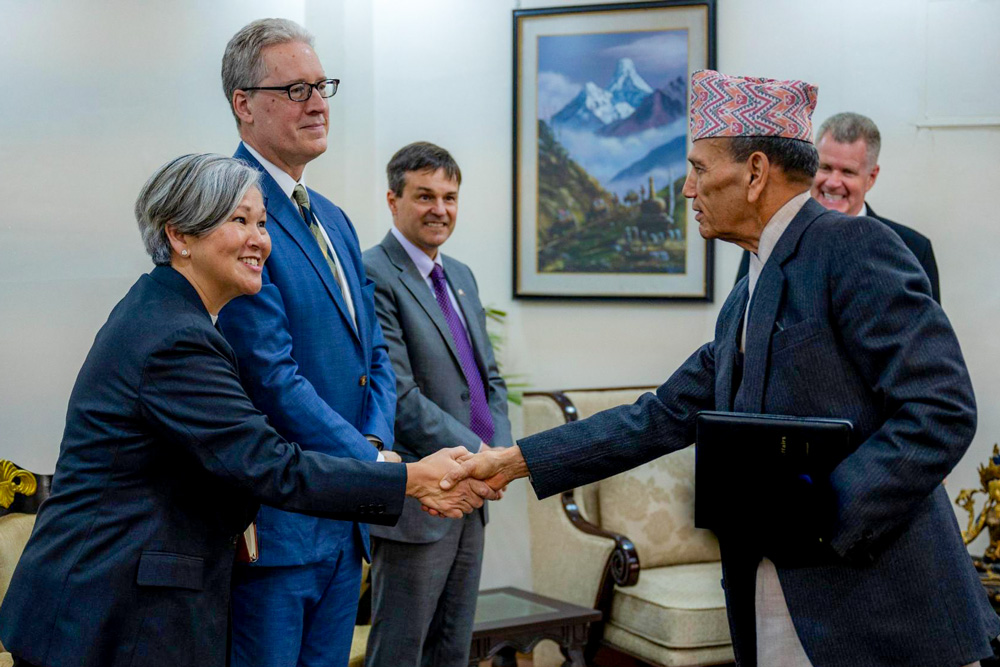
Andrea Malji, a professor at the Daniel K. Inouye Asia-Pacific Center for Security Studies, examines the strategic role of critical minerals in the Indo-Pacific and their use as tools of geopolitical leverage. Malji highlights how rare earth elements and their derivatives are essential for advanced technologies, with the Indo-Pacific serving as the hub for processing and transport. China’s dominance in refining capacity and control over key maritime chokepoints has enabled it to use mineral policy as a form of statecraft, influencing global supply chains and state behavior.

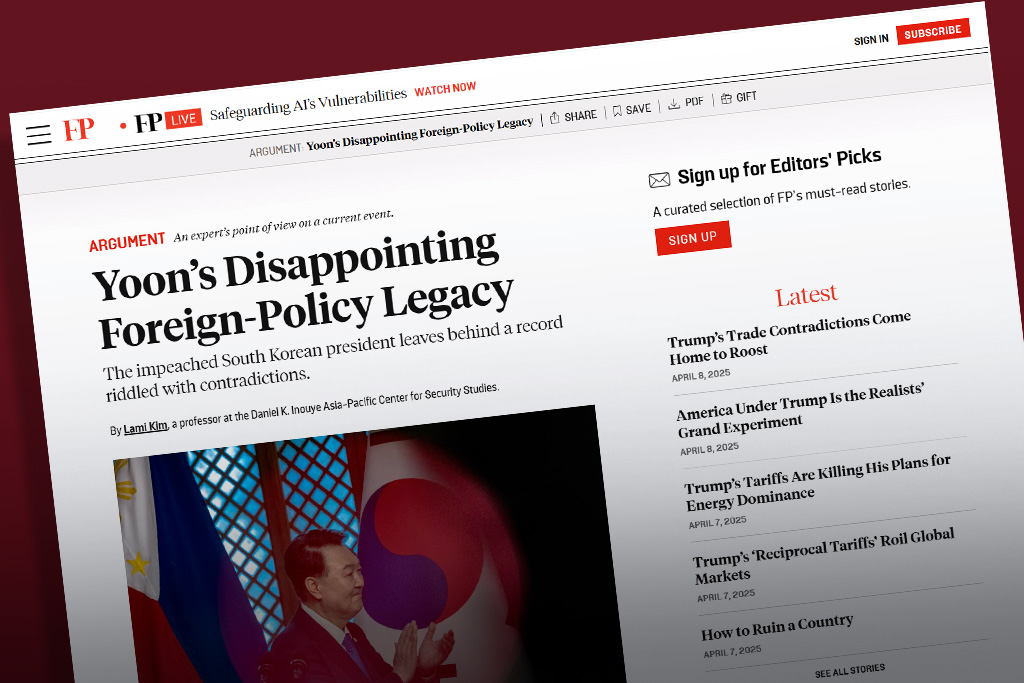
Yoon’s Foreign Policy Falls Short of “Global Pivotal State” Vision

By |2025-12-10T16:12:22-10:00April 8, 2025|Categories: Kim, Publications|Tags: , , , , , , , , , |

In Foreign Policy, Dr. Lami Kim evaluates the foreign policy legacy of former South Korean President Yoon Suk Yeol in her article, “Yoon’s Disappointing Foreign-Policy Legacy.” Yoon, who was impeached and removed from office by the Constitutional Court on April 4, had pledged to transform South Korea into a “global pivotal state.” While his Indo-Pacific strategy aligned closely with U.S. regional objectives, it lacked concrete measures to achieve its stated goals, such as maintaining stability in the Taiwan Strait and ensuring freedom of navigation. As Kim notes, “the strategy appeared more aspirational than strategic.”

Go to Top