

By Douglas Carroll, public information specialist for DKI APCSS
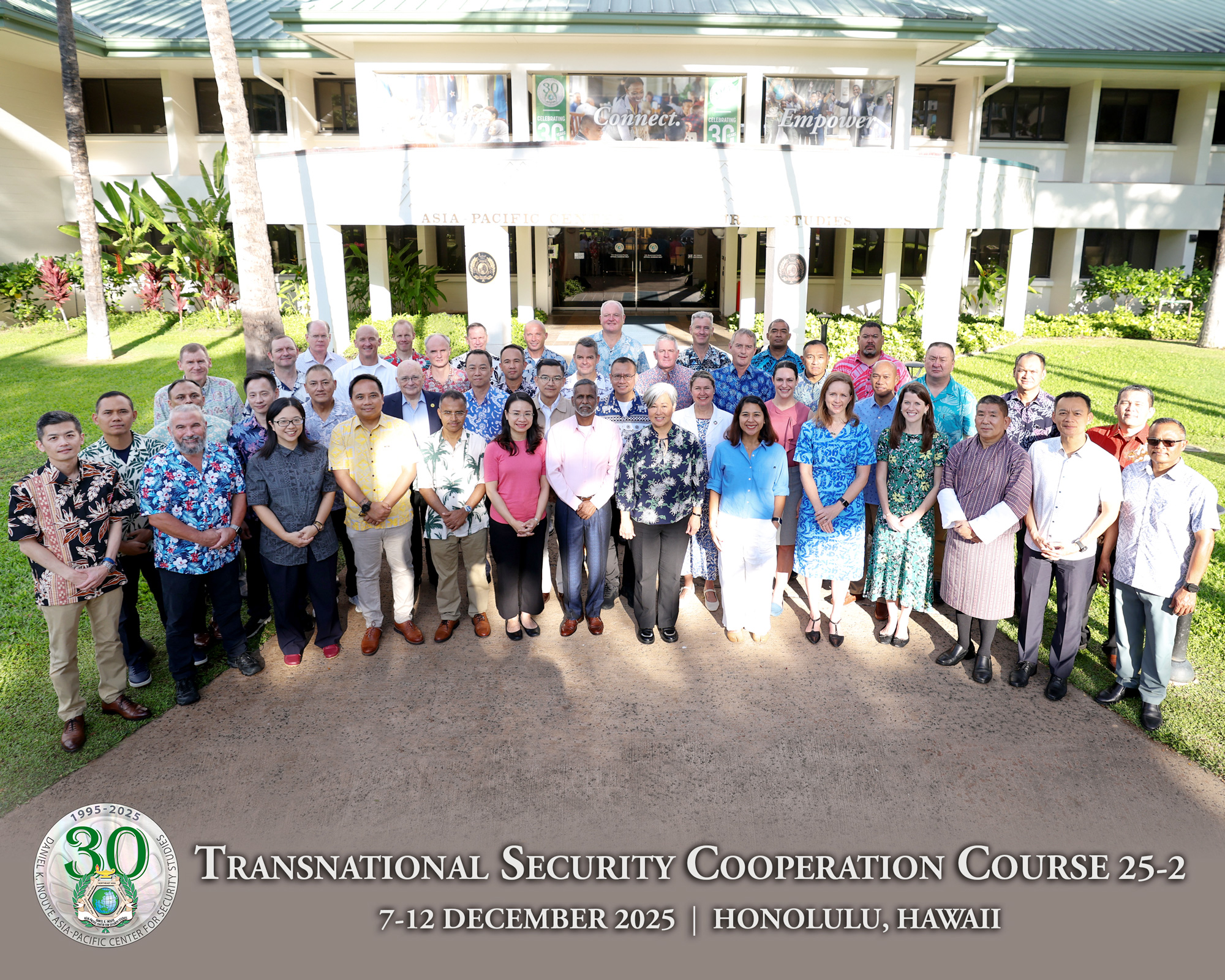
HONOLULU — In early December, the final Transnational Security Course (TSC 25-2) of 2025 was held in Maluhia Hall on the campus of the Daniel K. Inouye Asia Pacific Center for Security Studies (DKI APCSS) in Waikiki, attracting 40 senior security practitioners from 24 countries and reuniting eight alumni with the Center. The course was an intensive, six-day program for current sector leaders, both civilian and military, on the upward track for positions of significant national and international responsibility.
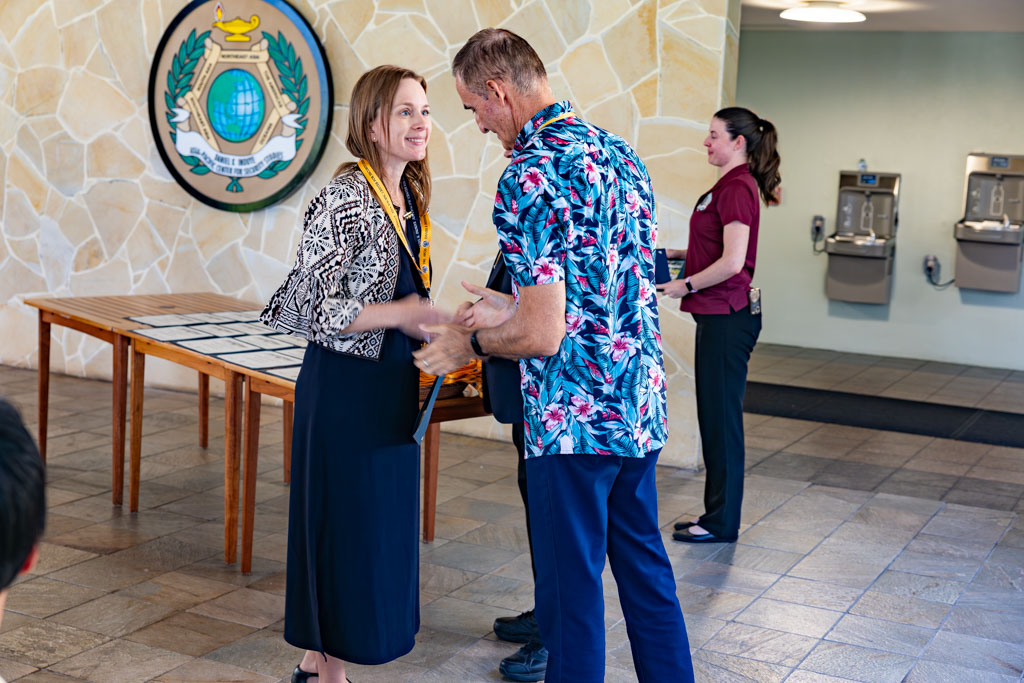
Kicking off with an ice-breaker social event hosted on the Center lanai on the eve of the first day’s activities, the Fellows quickly got to know each other as they settled in for the week of interactive plenaries, dialogues, exercises and elective areas of study. The curriculum emphasized the impact of unprecedented change in the Indo-Pacific region and on developing the capacity to adapt at both the leadership and institutional levels.
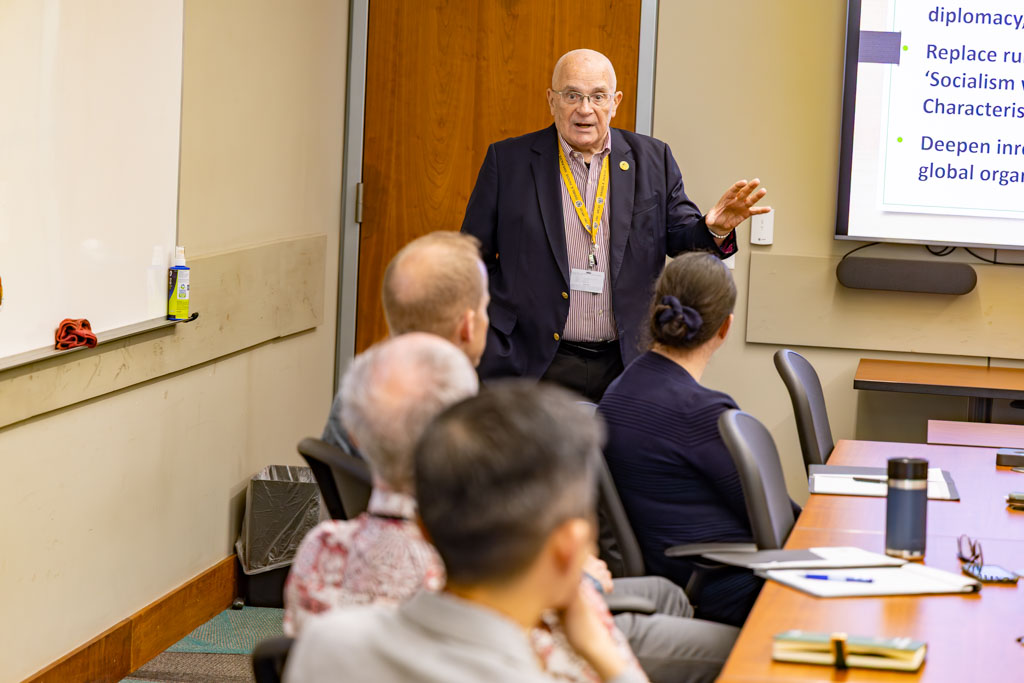
Professor Richard Vuylsteke
Richard Vuylsteke, a professor at DKI APCSS since 2021, was one of the course managers for the program coordinating faculty presentations and content as well as overall experience efficacy.
“This is a special course. It’s flag officers and general officers, as well as the equivalent positions in government and international organizations spread across the Indo-Pacific area of responsibility,” said Vuylsteke.
“These people have moved from the operational level to more strategic planning and implementation. So the level of discussion is considerably different from the other courses we run throughout the year. It makes a real difference in experience to those attending.”
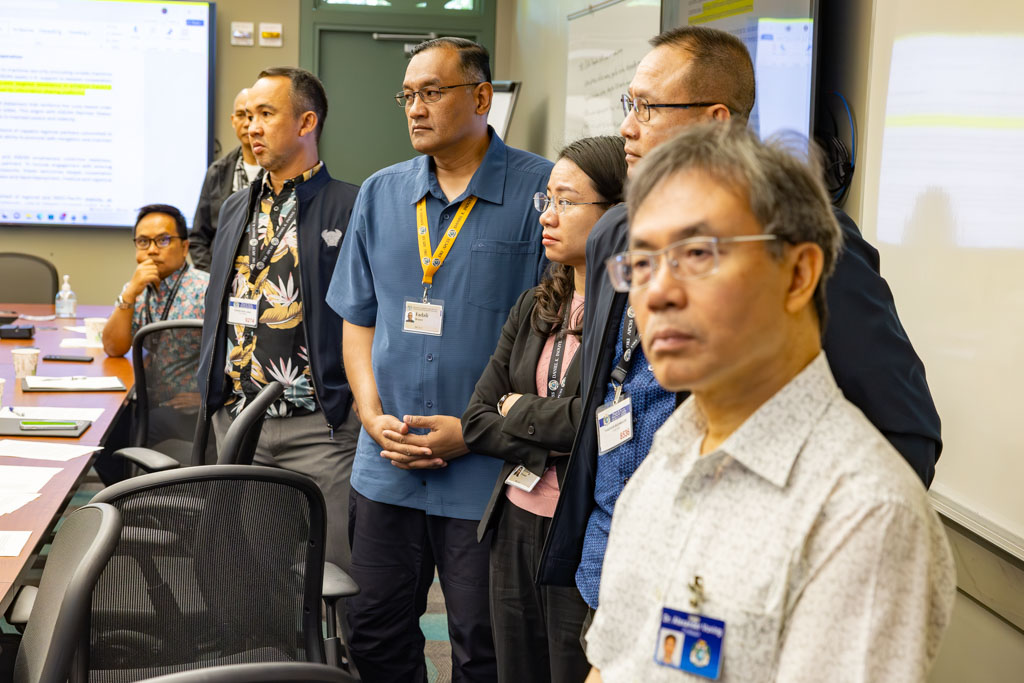
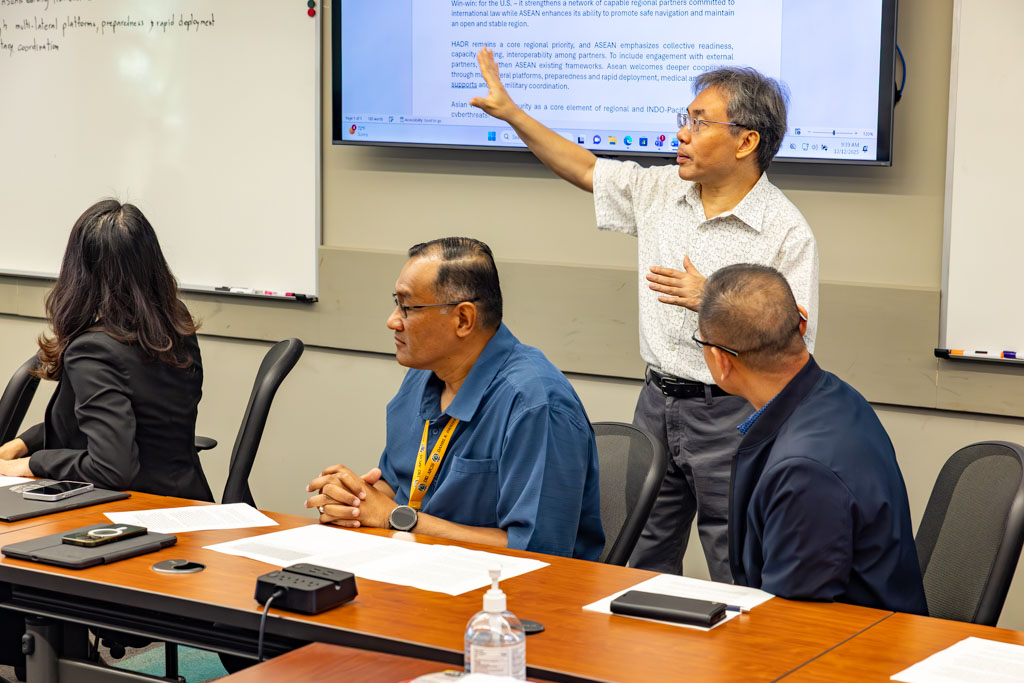
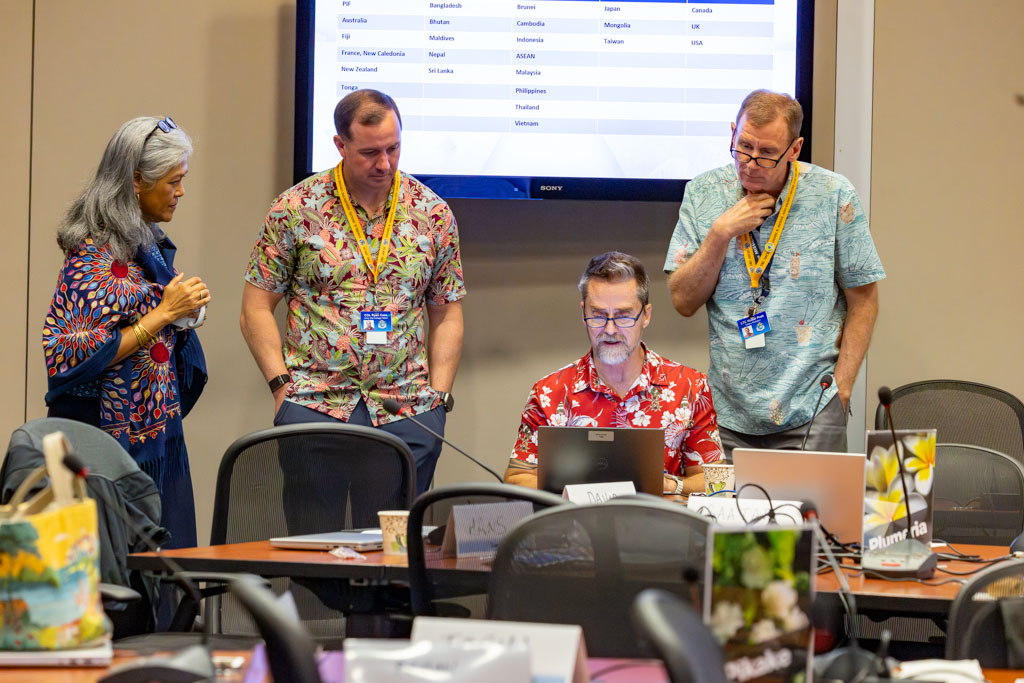
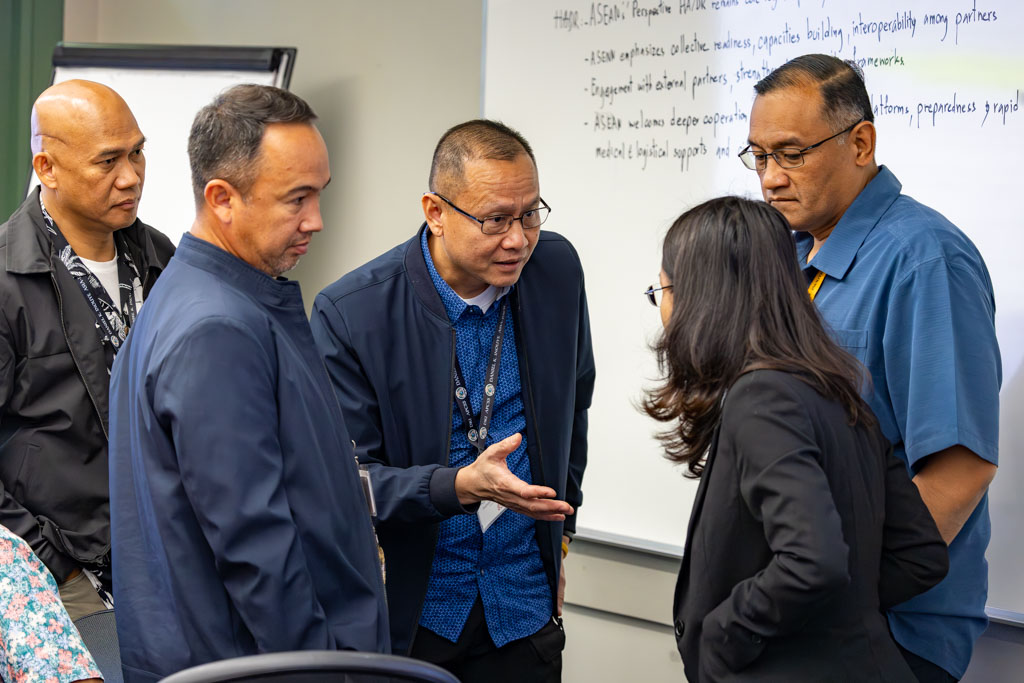
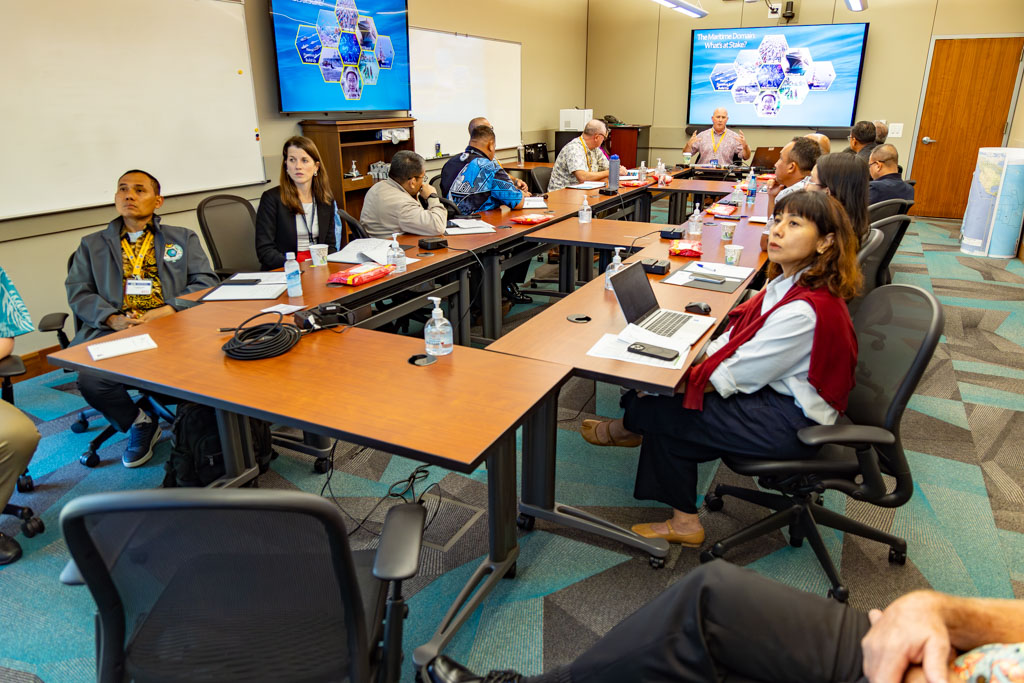
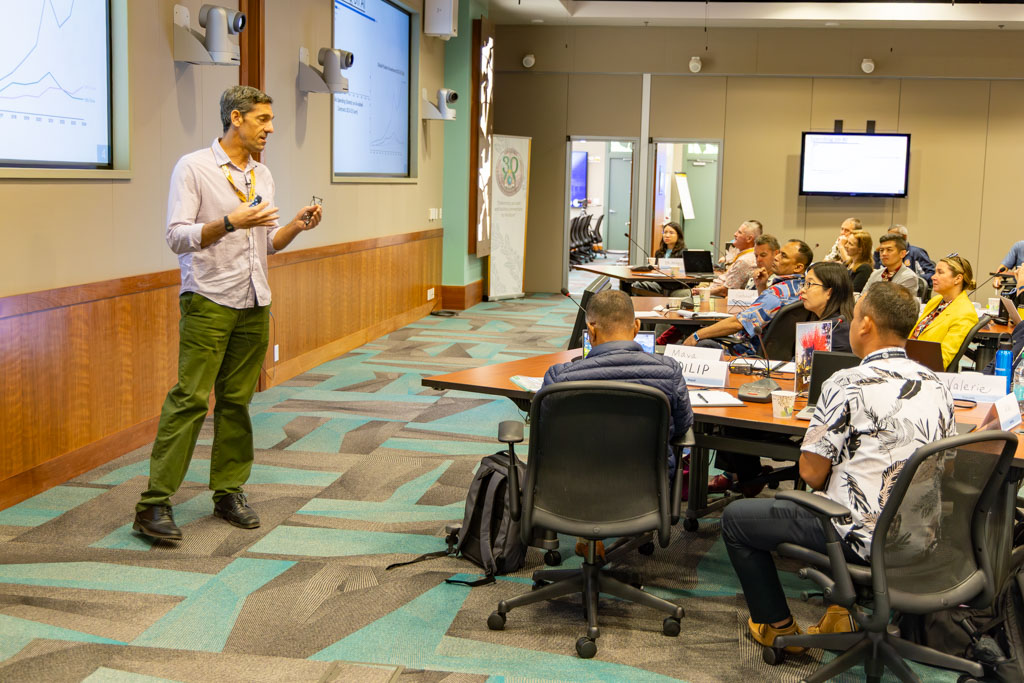
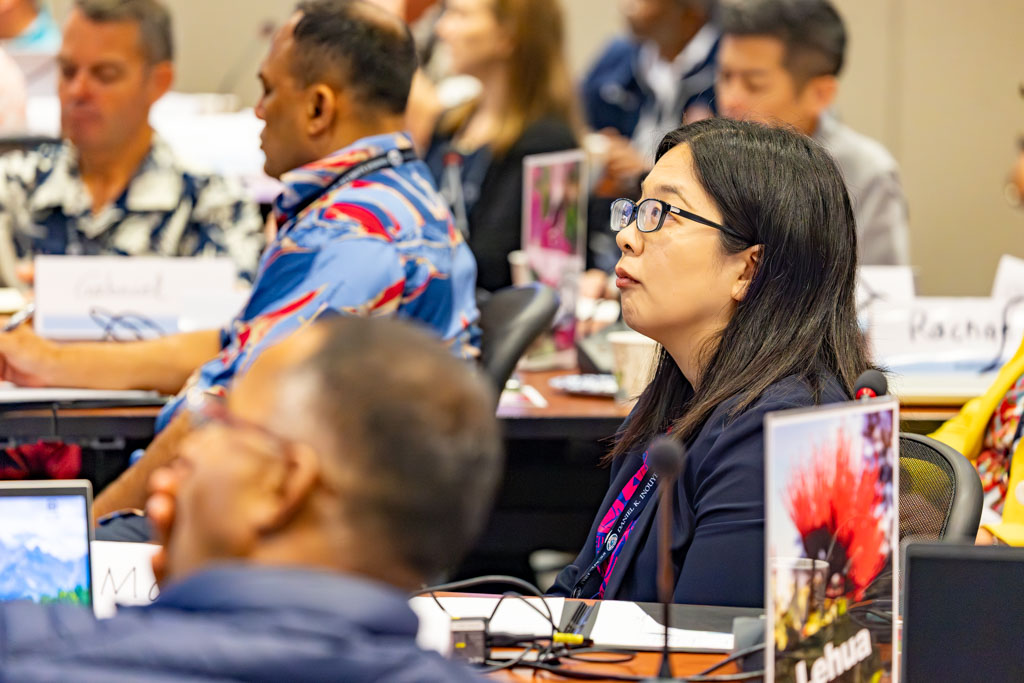
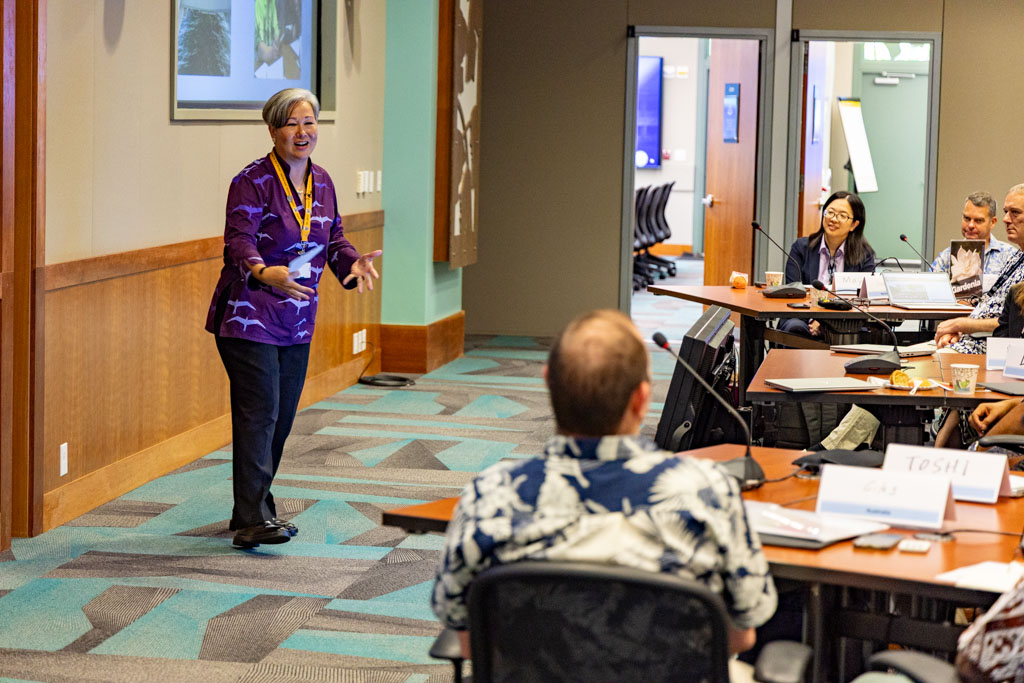
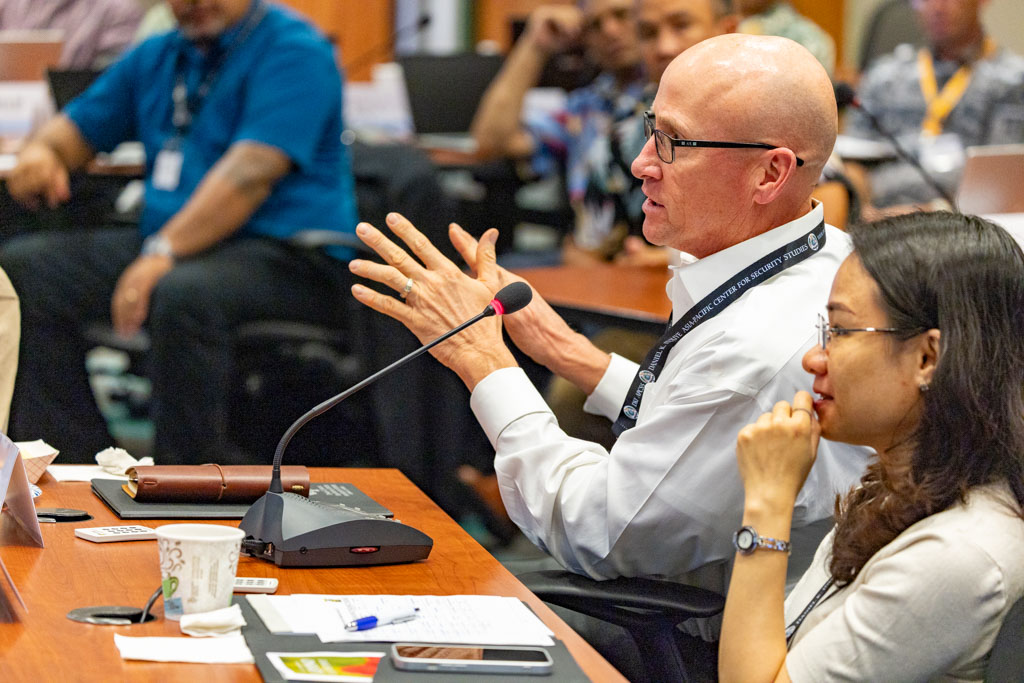
The Q&A aspects of the course are meant to spur discourse amongst the Fellows. Interaction, discussion, even debate, are encouraged. Much of the subject matter focused on deterrence and resilience; areas whose very definitions are currently in transition, providing ample fodder for deliberation. Even the layout of the hall itself was intended to provoke such exchanges.
“Structure makes a difference,” Vuylsteke said. “The group of 40 was divided into pods of six people, and those seats were juggled day to day. They would interact in the pods, so that interaction adds dynamism to the course, as opposed to people all lined up looking in one direction. You can’t shortchange how important that is to getting to know each other and getting better acquainted.”
Brigadier General Christopher Moyle of the Canadian Armed Forces traveled from Ottawa to attend the course, network with peers from across the globe, and expand his understanding of this region of consequence in the 21st century.
“Being an army officer in Canada, the focus is often on the domestic North American landscape and the European theatres,” said Moyle. “An understanding of the dynamic in the Asia-Pacific and how that contributes to global security is an area that was of particular interest to me, and an area of my professional education that I was lagging in.”
The six days of compressed learning to understand the landscape with cross-cutting topics certainly lived up to the expectations he had before arriving. Global economics, transnational crime, and even nuclear deterrence were just some of the large subjects that stimulated on-going discussion amongst the Fellows even after the course ended for the day.
“I can say that whether it be at a coffee break or a walk to or from our accommodations, I’ve managed to speak to a great number of folks and learn a lot about countries that I didn’t know anything about,” reflected Moyle.
“That networking is incredibly valuable. From my 30-something years of experience in the military I know that having contacts, having a knowledge about how other countries like to do business and mutual understanding is critical,” he said.
“It seems to be a fundamental aspect of the Center, and I believe the Center has it right.”
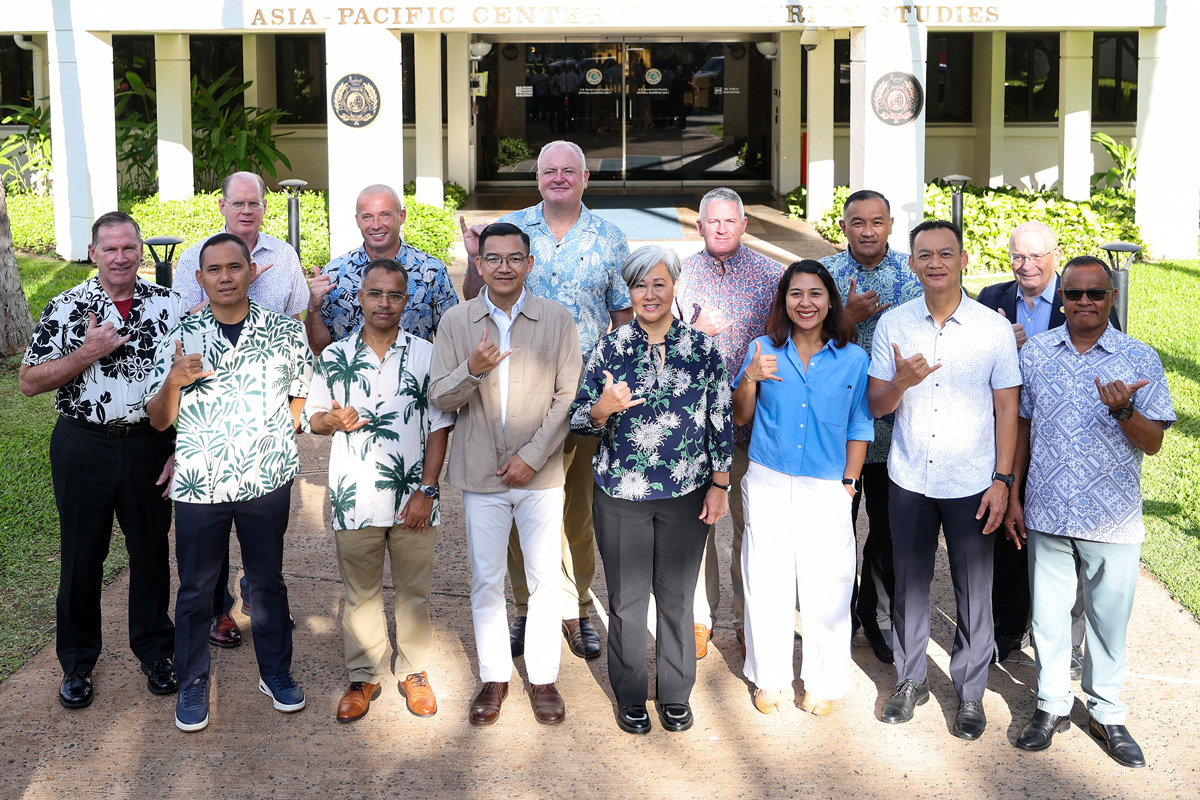
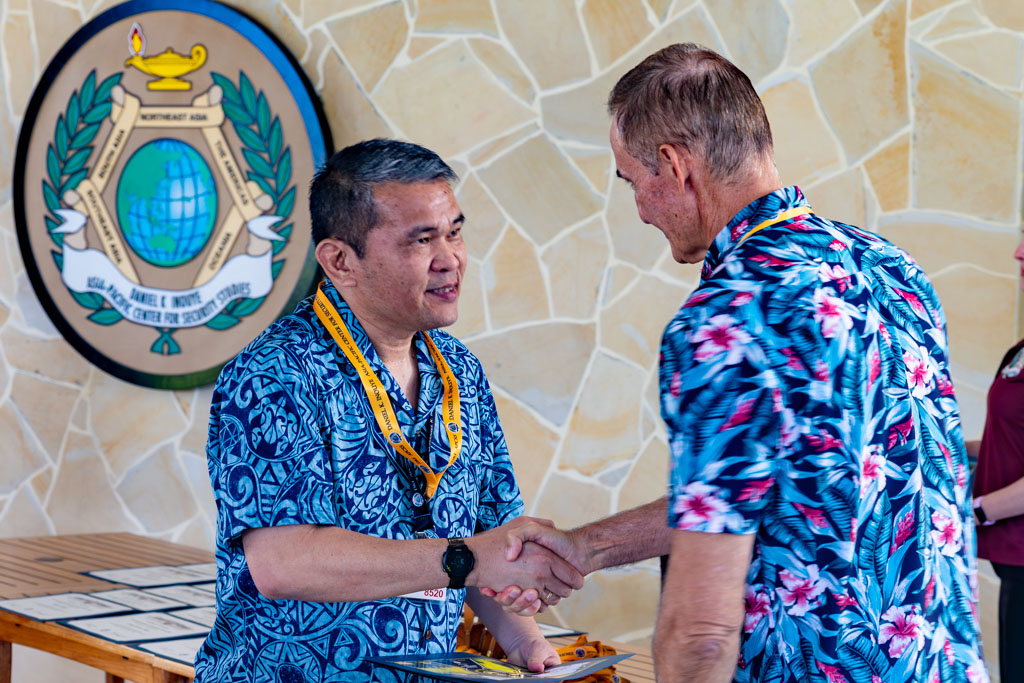
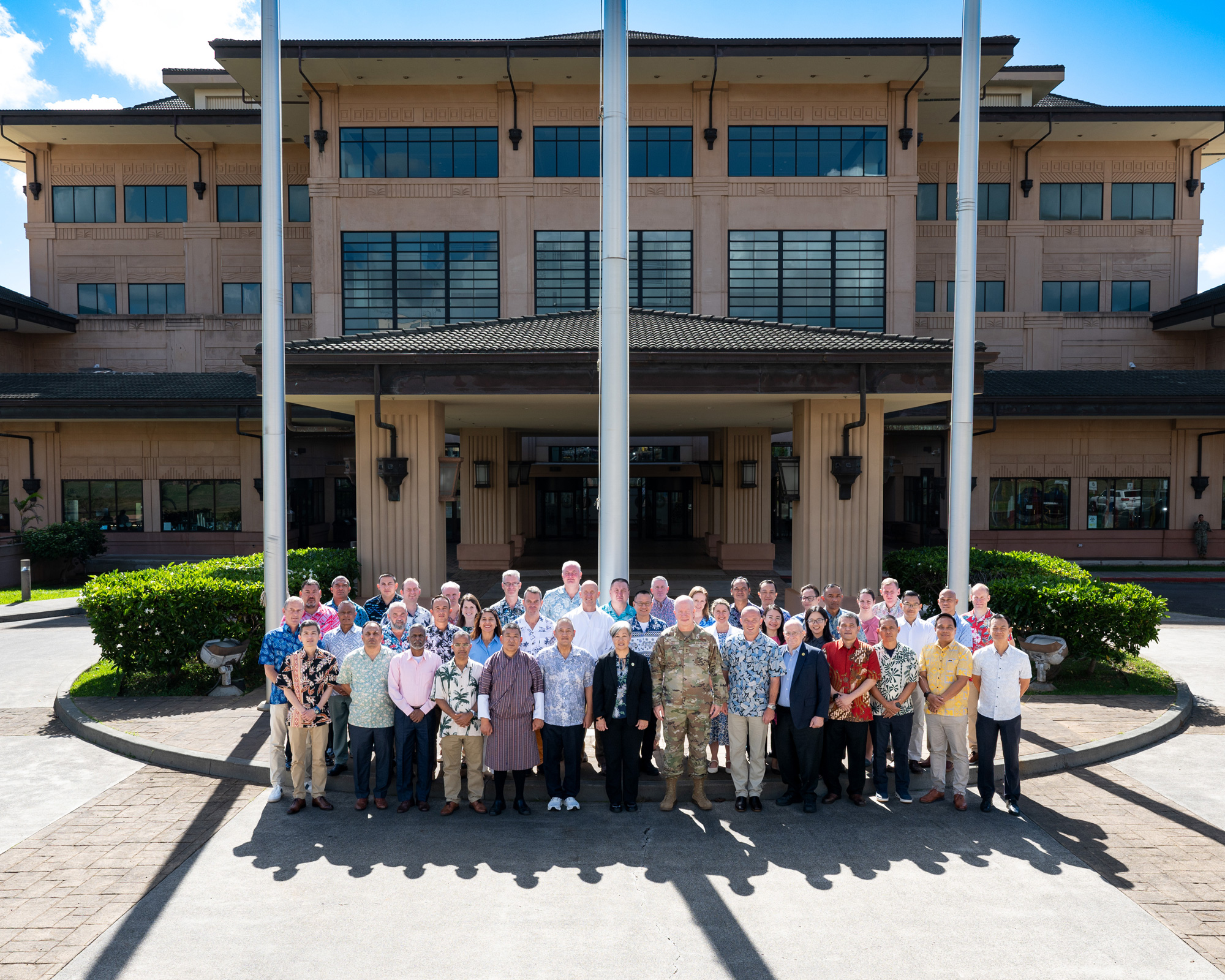
Alumni from previous courses participated in TSC 25-2, coming together with DKI APCSS leadership for a group photo.






Leave A Comment