
Japan Journalists and Pacific Forum
Mr. Hidetoshi Arioka, Writer
Mr. Tomoki Sato, Staff Writer
Mr. Takuro Fujimoto, Political Reporter
Mr. Kiyotaka Nagashima, News reporter and Commentator
Mr. Ryota Shimabukuro, Chief Reporter
Ms. Kai Maeda, International Affairs Reporter
Mr. Beau Miller, PAO
Mr. Manuel Jeffrey Ordaniel Sistoso, Director Maritime Security
Mr. Akira Igata, Adjunct Fellow
Ms. Ayano Nishimura, Interpreter
- Time: 3:00 p.m.
- Location: CCR
- Host: Dean Cramer
Japan Journalists and Pacific ForumMr. Hidetoshi Arioka, Writer
Mr. Tomoki Sato, Staff Writer
Mr. Takuro Fujimoto, Political Reporter
Mr. Kiyotaka Nagashima, News reporter and Commentator
Mr. Ryota Shimabukuro, Chief Reporter
Ms. Kai Maeda, International Affairs Reporter
Mr. Beau Miller, PAO
Mr. Manuel Jeffrey Ordaniel Sistoso, Director Maritime Security
Mr. Akira Igata, Adjunct Fellow
Ms. Ayano Nishimura, InterpreterTime: 3:00 p.m.
Location: CCR
Host: Dean Cramer









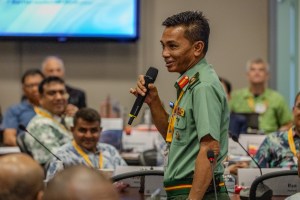
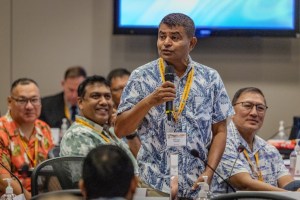

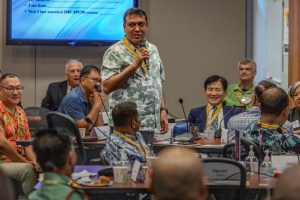

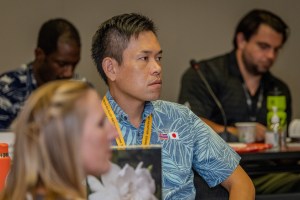
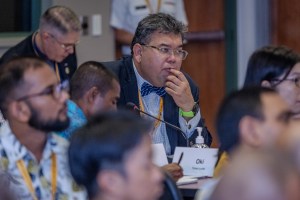
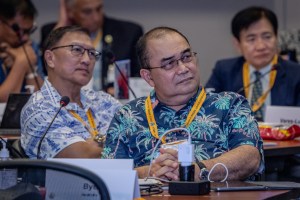

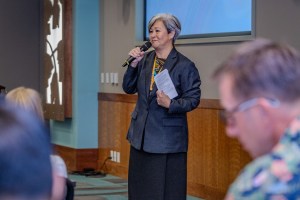
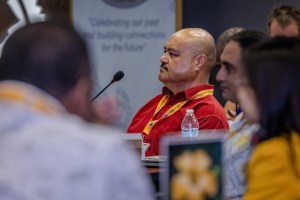


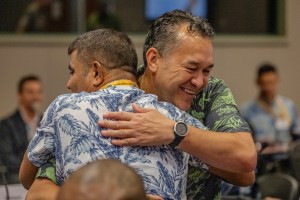
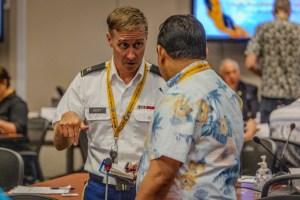
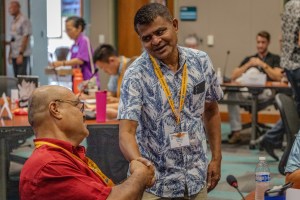

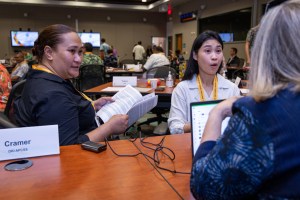
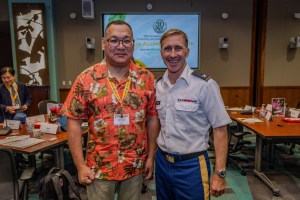
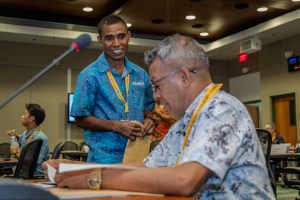


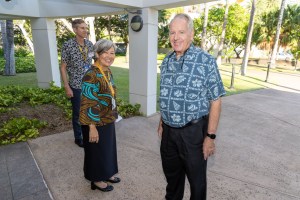
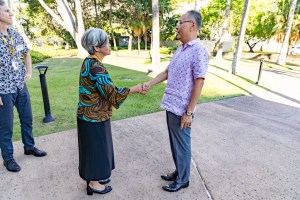
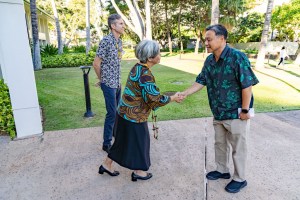
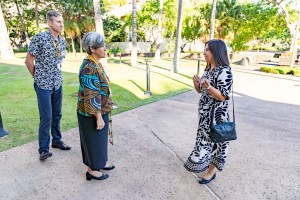
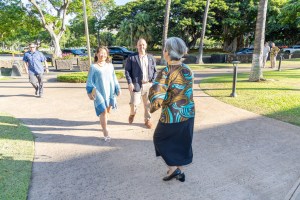
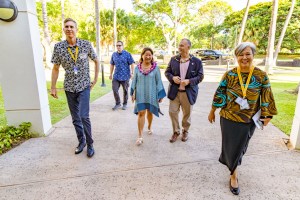








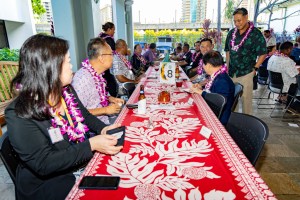


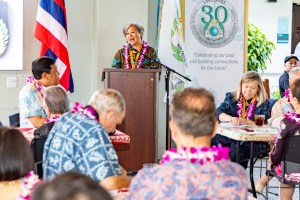
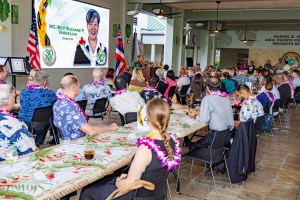



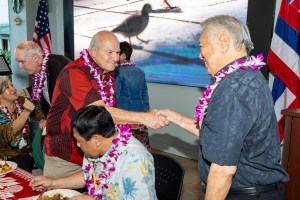










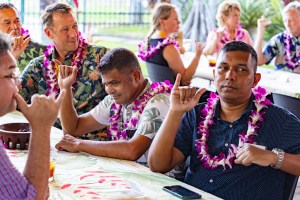
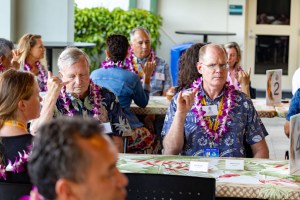
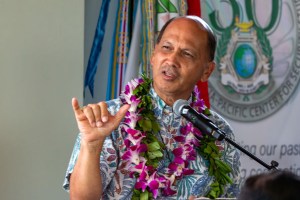
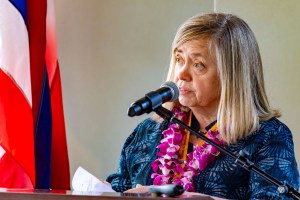
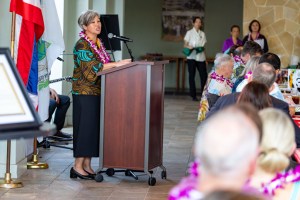

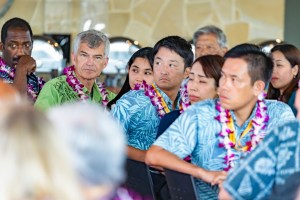
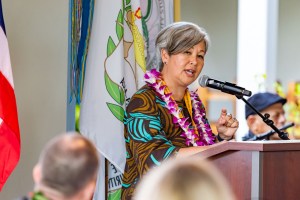







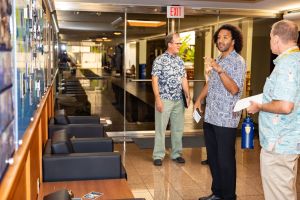

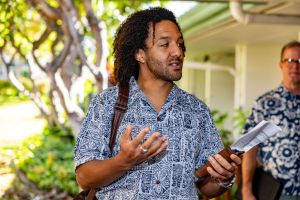
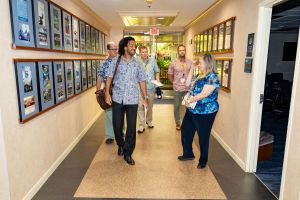
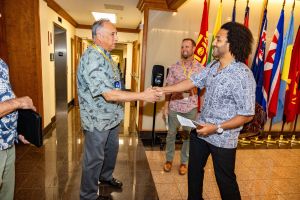
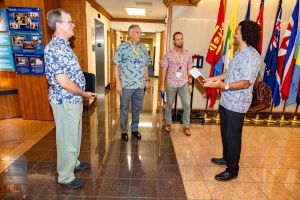


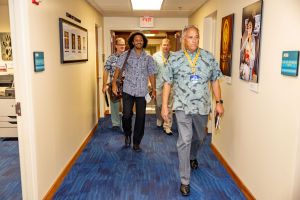
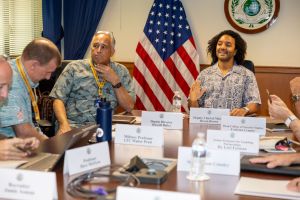

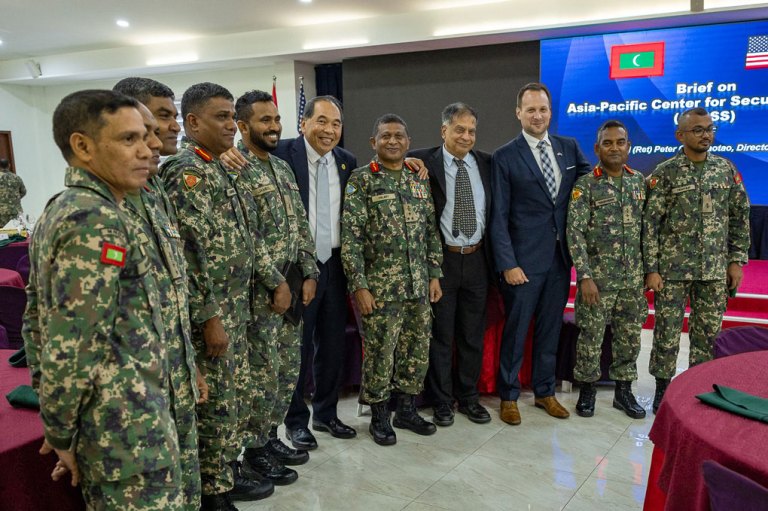 Maldives Regional Engagement
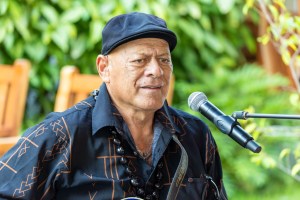
 Mongolian Regional Engagement and Alumni Association Event
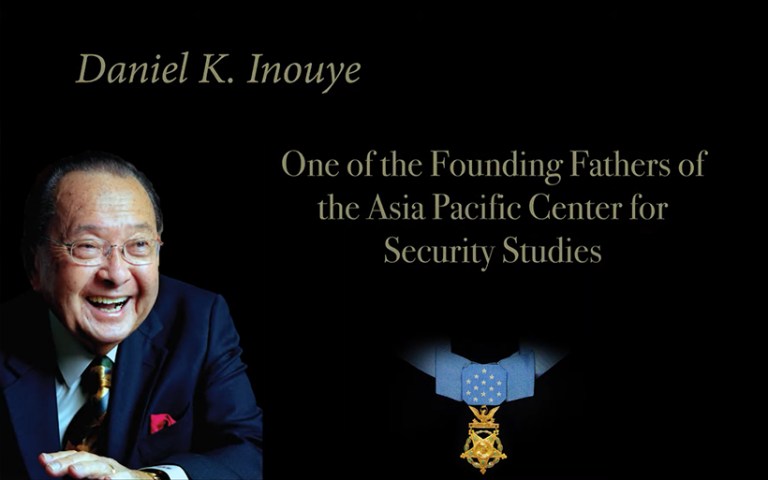 About DKI APCSS
 Claret Chonggum
Association
positions
by Dr. Jimmie R. Lackey, who was then an Army colonel, and is a former DKI APCSS executive director. The Center was renamed on February 2015 to Honor the late Senator, Daniel K. Inouye.


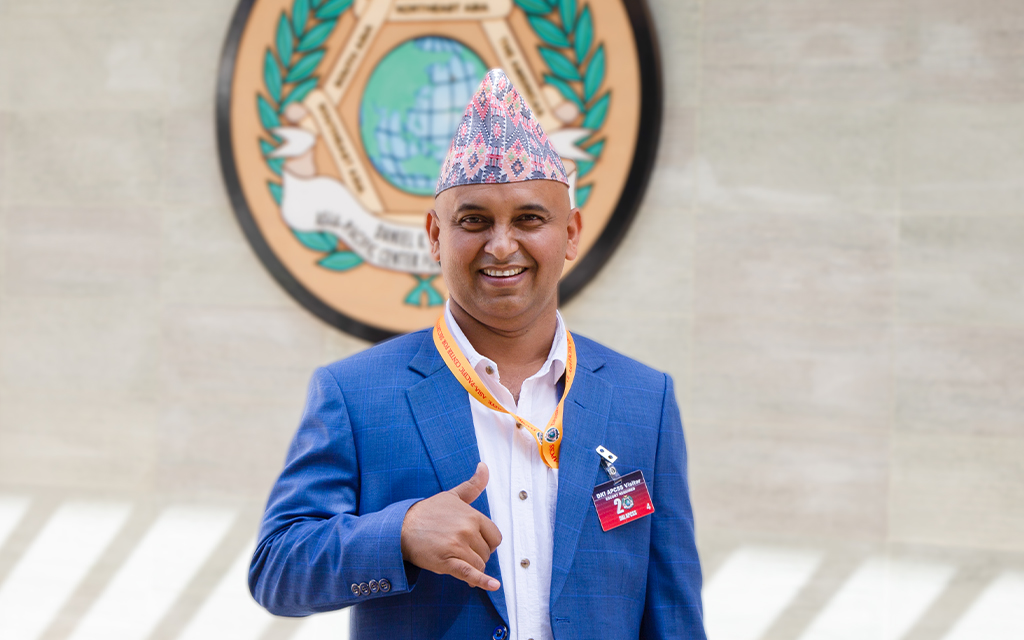
Our Team



News
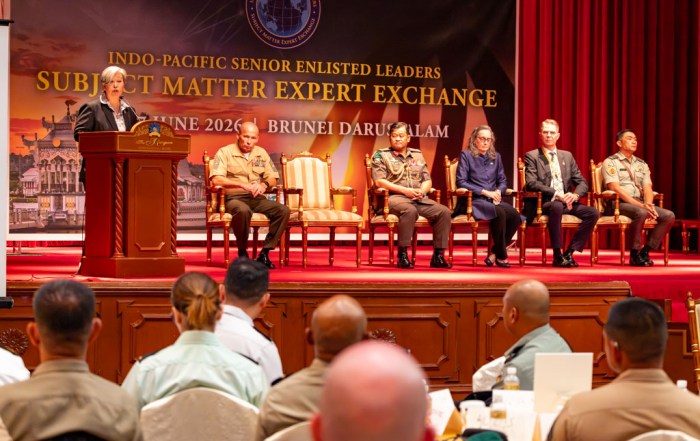
Inaugural In-Region IPSEL SMEE Launches in Brunei, Strengthening Global Indo-Pacific Partnerships
142 Fellows from 25 countries joined DKI APCSS's Comprehensive Security Course 26-2 to build resilient solutions and strengthen Indo-Pacific security cooperation.
Maama Misi and a Friendship That Fortified a Kingdom
Tonga's Maama Misi addressed DKI APCSS's Comprehensive Security Course 26-2 about crafting his nation's first National Security Policy, shaped by a longtime friendship with Professor Alfred Oehlers.
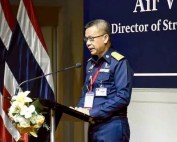
DKI APCSS Partners with Thailand for SSSP 2026 Leadership Program
DKI APCSS partnered with Thailand's Royal Thai Armed Forces for the Senior Security Studies Program (SSSP 2026), delivering executive leadership training on strategic foresight and Indo-Pacific security.
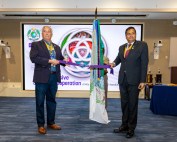
CSC 26-2 – Big Events Produce Big Results
142 Fellows from 25 countries joined DKI APCSS's Comprehensive Security Course 26-2 to build resilient solutions and strengthen Indo-Pacific security cooperation.

Security Nexus Perspective: Beyond the Two Percent — A Practitioner Framework for Assessing Burden Sharing in the Indo-Pacific
A new Security Nexus Perspective by Deon Canyon and Michael Kolton, professors at the Daniel K. Inouye Asia-Pacific Center for Security Studies introduces BRISC, a practitioner framework that moves beyond the two-percent GDP metric to assess Indo-Pacific burden sharing across access, intelligence, operational, and strategic contributions.
 The stories posted here are only excerpts. Please go to our website to read the full articles.
apcss.org/latest-news
 The Commission of the Council on Occupational Education (COE) granted accreditation to the Daniel K. Inouye Asia-Pacific Center for Security Studies on September 16, 2021.