

By Douglas Carroll, DKI APCSS Public Affairs Specialist
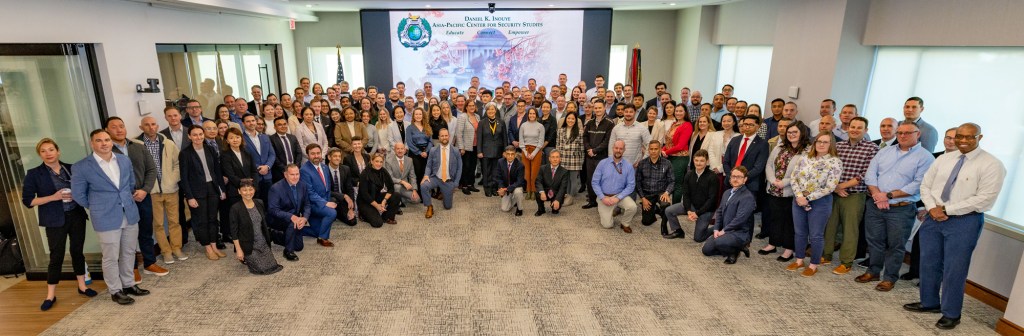
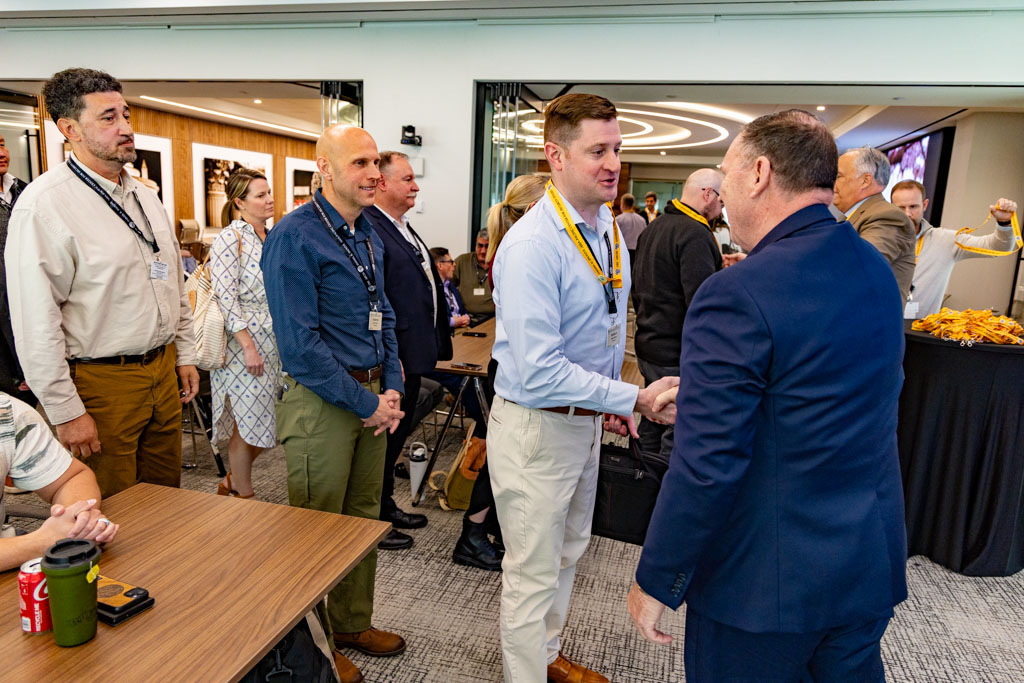
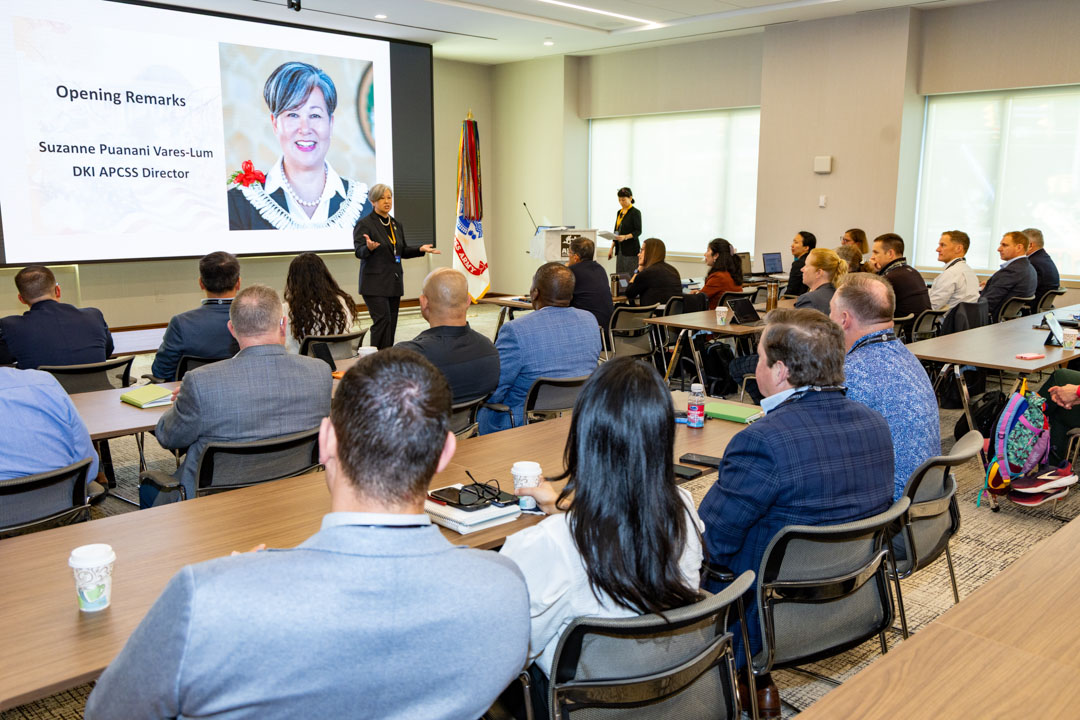
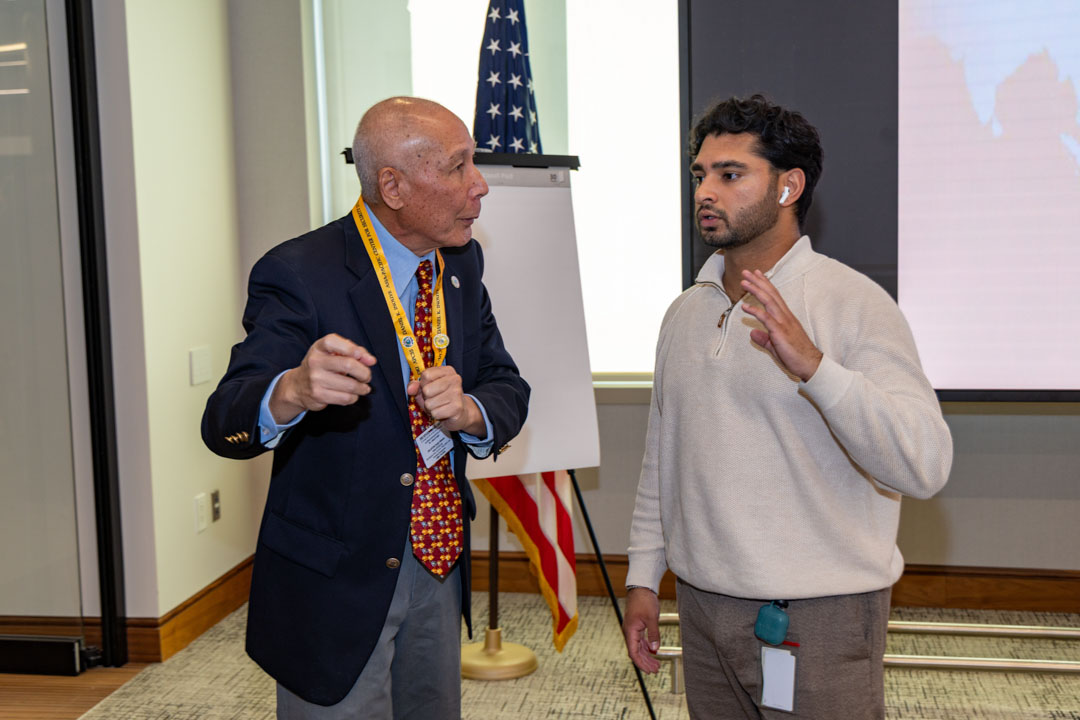
ARLINGTON, Va. — This spring, as the cherry trees that proliferate throughout the National Capital Region were painting the landscape with gorgeous shades of pink, the Daniel K. Inouye Asia-Pacific Center for Security Studies (DKI APCSS) convened the Mobile Indo-Pacific Orientation Course (MIPOC) 26-2 from April 6-10. The event gathered 127 participants, including 98 U.S. government officials and 29 international representatives, to address evolving regional security dynamics.
The course ensured that warfighters are equipped with the knowledge, networks, and strategic insights necessary to integrate the full spectrum of U.S. global capabilities into Indo-Pacific planning. A key component of the program was to directly strengthen the U.S. Indo-Pacific Command enterprise by engaging the four functional commands—three of which attended: U.S. Strategic Command, U.S. Transportation Command, and U.S. Cyber Command.
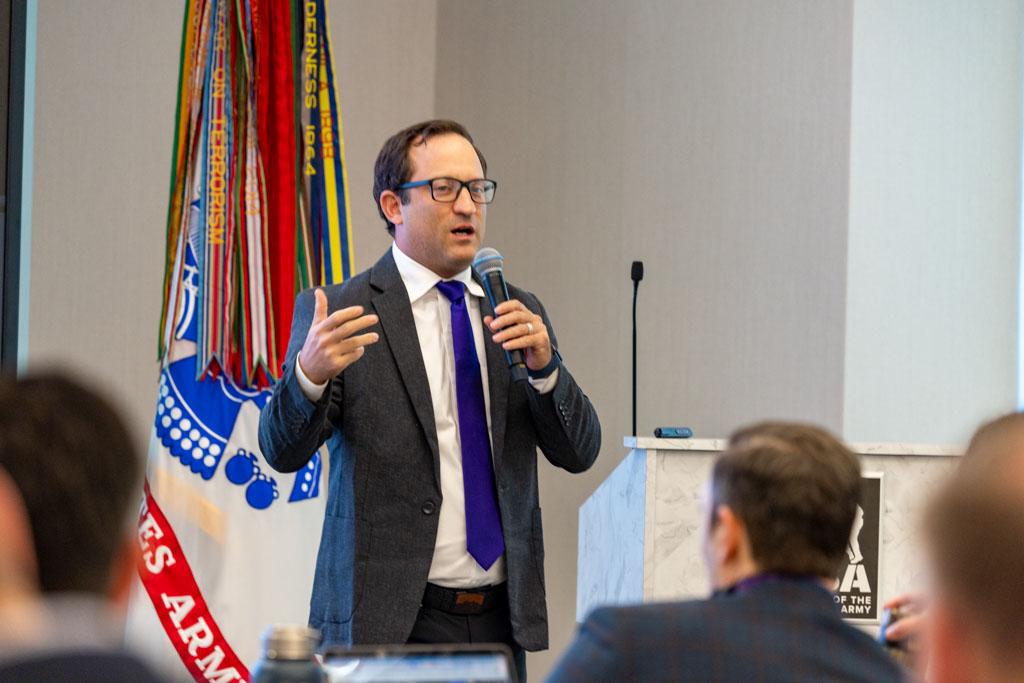
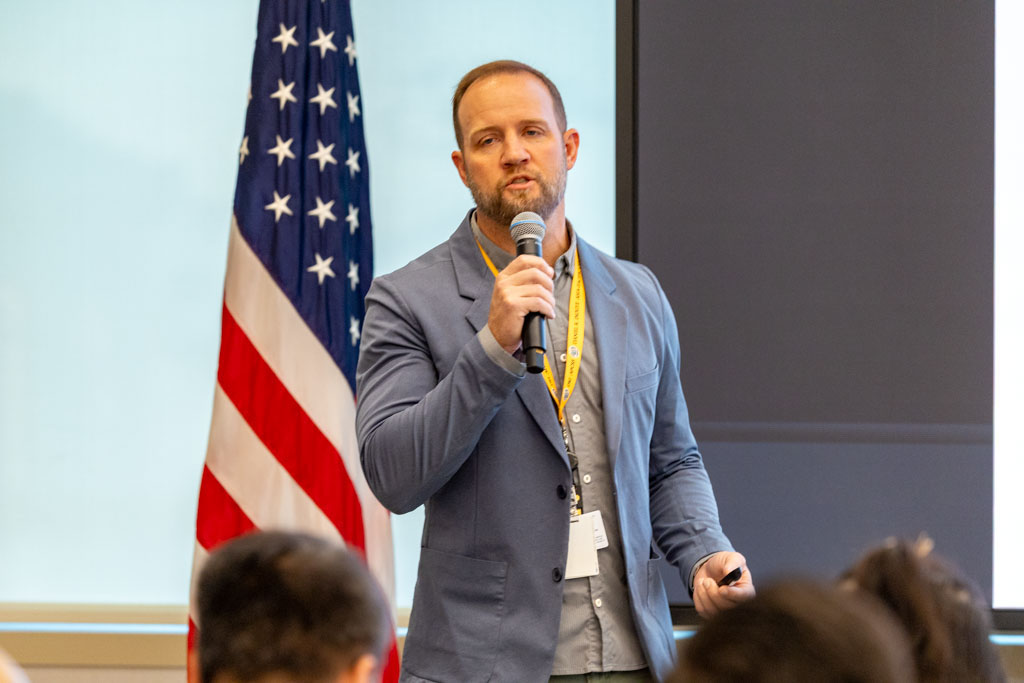
Mike Mayo, Special Agent with the Naval Criminal Investigative Service (NCIS) and a professor at DKI APCSS, was one of the course managers. He was instrumental in coordinating this robust program and in bringing the faculty, staff and resources necessary from the farthest western shores of the United States to the East Coast.
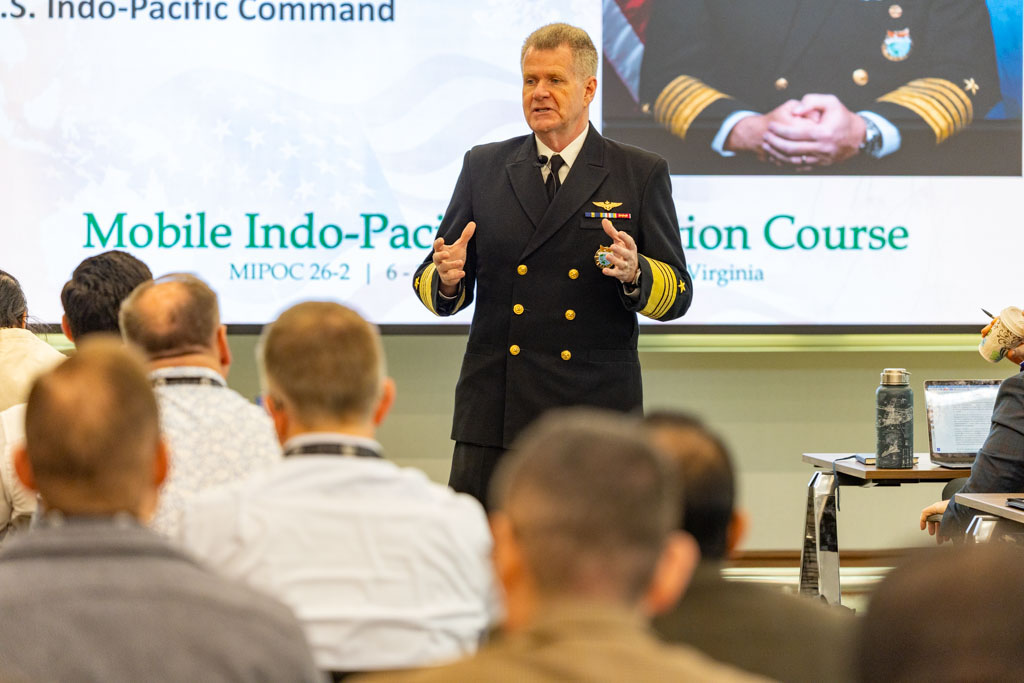
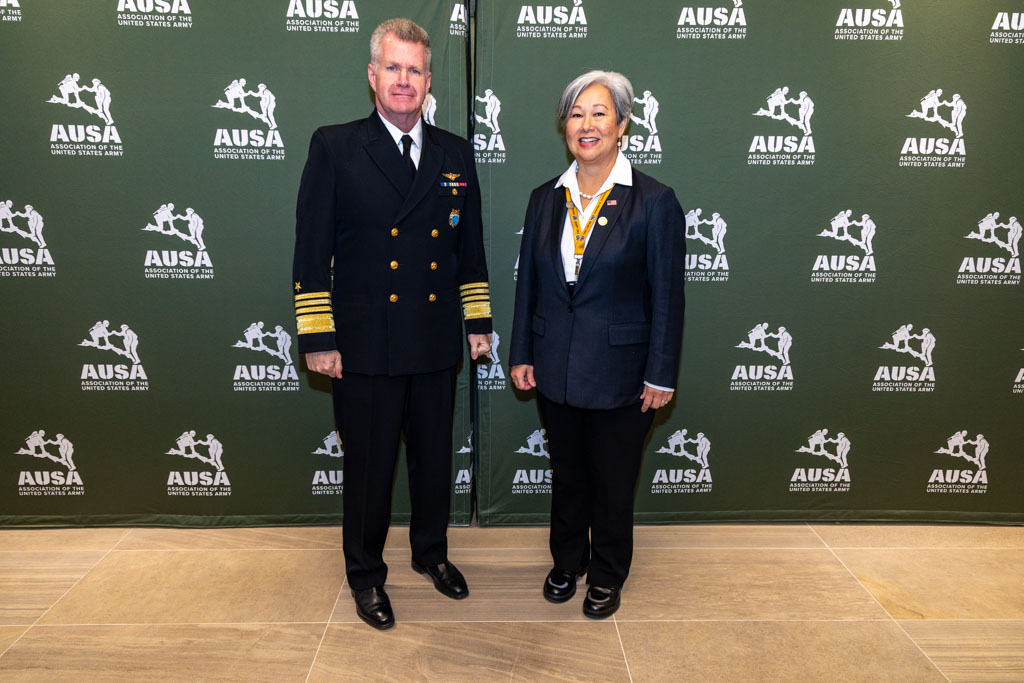
Admiral Samuel Paparo, commander of U.S. Indo-Pacific Command
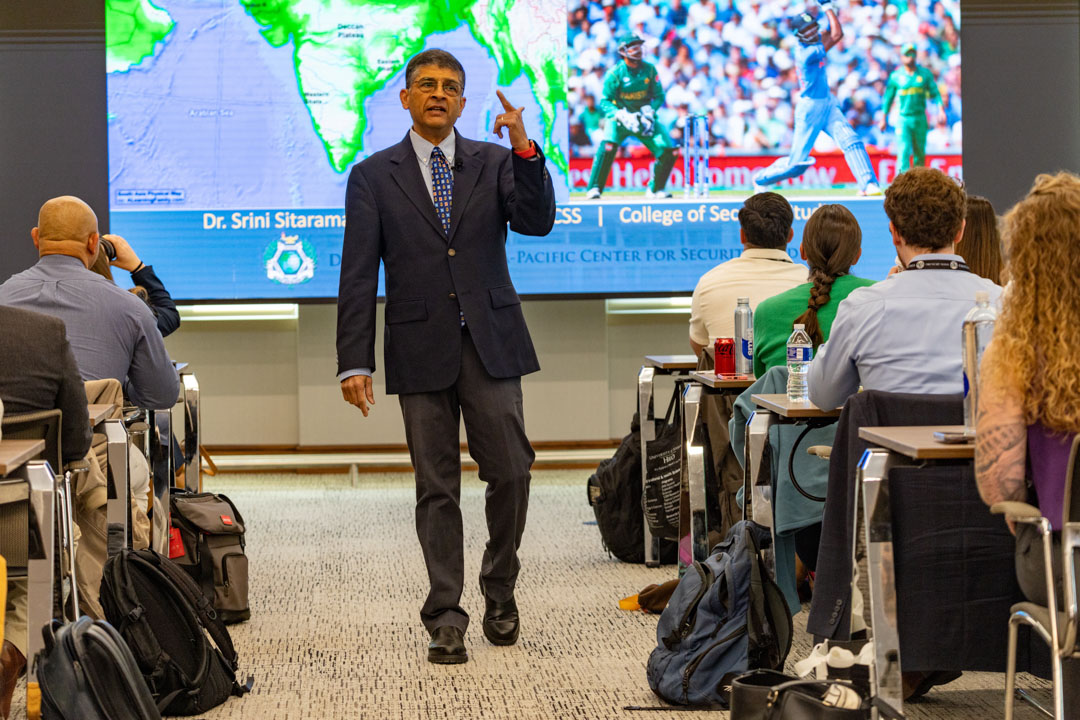
“We got a lot of great feedback from the Fellows. They really appreciated the emphasis put on emerging technologies – the intersection of drone warfare, AI, and cyber,” said Prof. Mayo.
“These are going to continue to be complex issues, especially in the Indo-Pacific region, so we were very appreciative to have so many experts join us to share their expertise.”
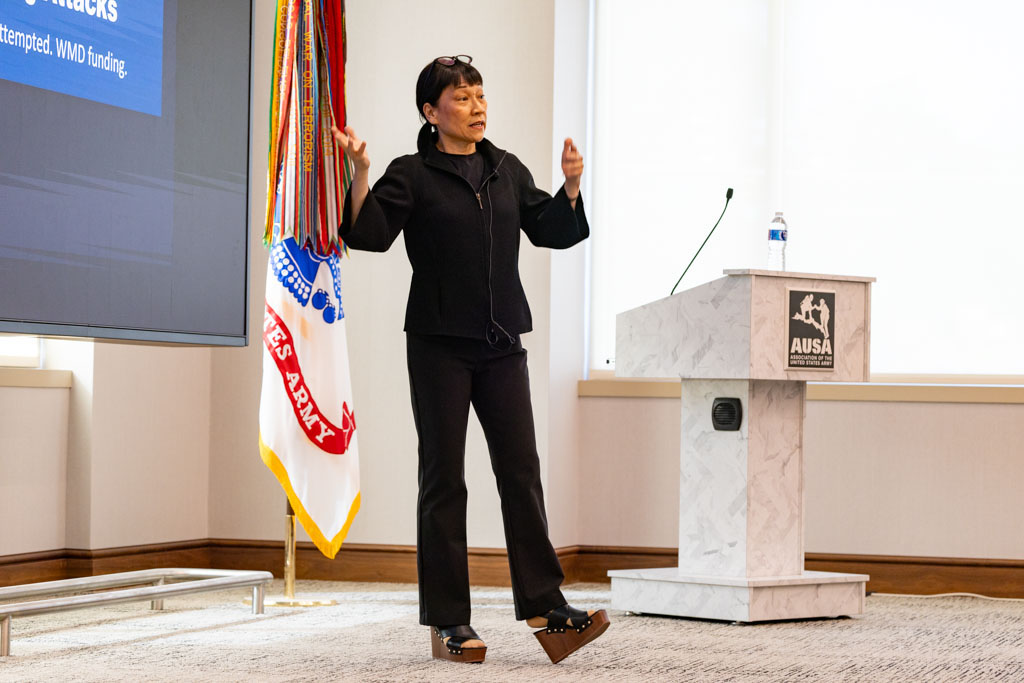
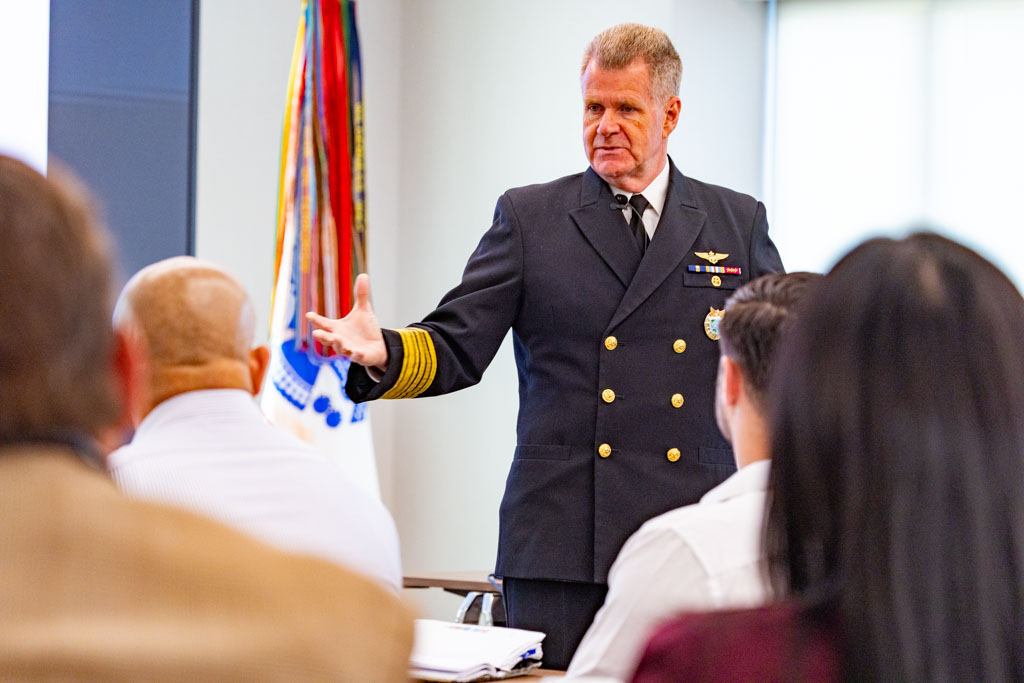
The five days, packed with plenaries, group seminar discussions, and specialized electives, were highlighted by impressive guest speakers. Admiral Samuel Paparo, commander of U.S. Indo-Pacific Command, adjusted his schedule to address the course, and Vice Adm. Thomas Henderschedt, director for intelligence, Joint Staff, traveled from Washington to share their insights on leadership in today’s security environment. These honest and open question-and-answer sessions brought the Fellows face-to-face with senior military leaders who have extensive experience in the Indo-Pacific.
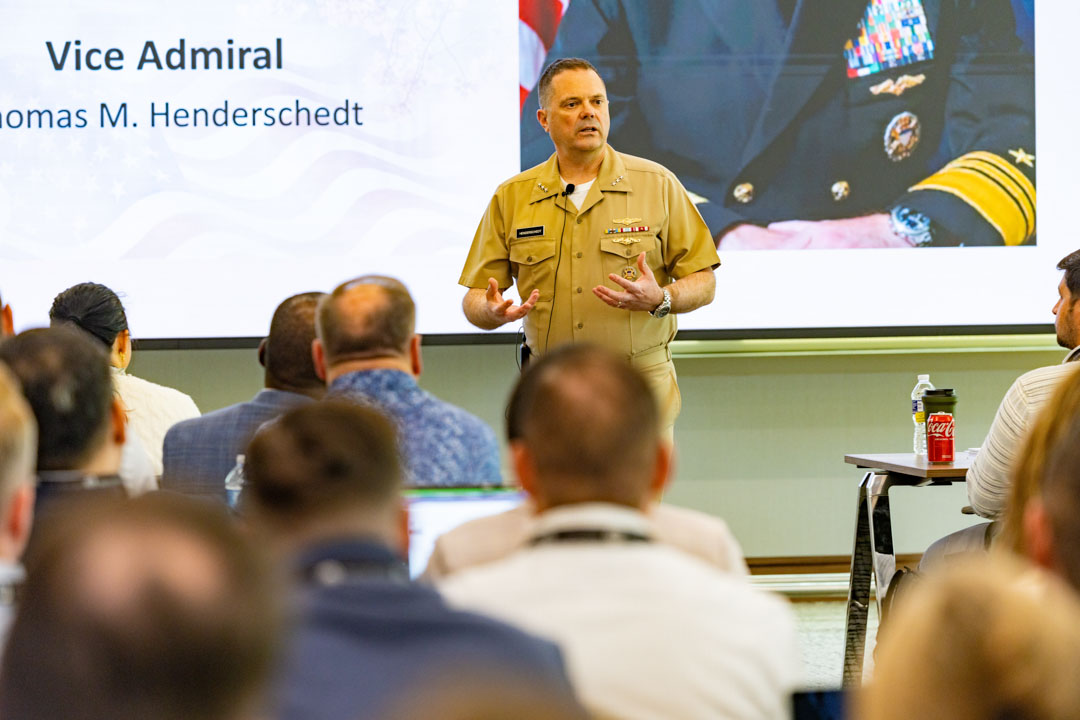
Vice Adm. Thomas Henderschedt, director for intelligence
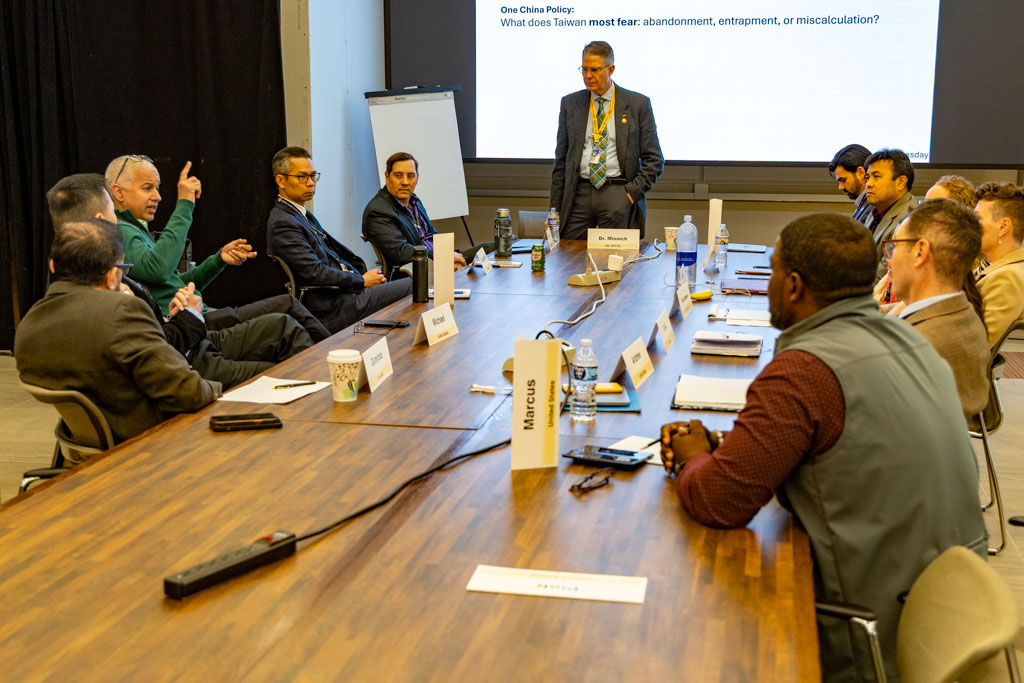
Thanks to DKI APCSS’ policy of non-attribution, the Fellows, faculty, and guest lecturers were free to sincerely express themselves on all subjects. Throughout the week it became apparent that they felt a need for institutionalized engagement, rapid decision-making, agile basing operations, and transparent dialogues to clarify strategic rationales and reinforce the durability of U.S. commitments.
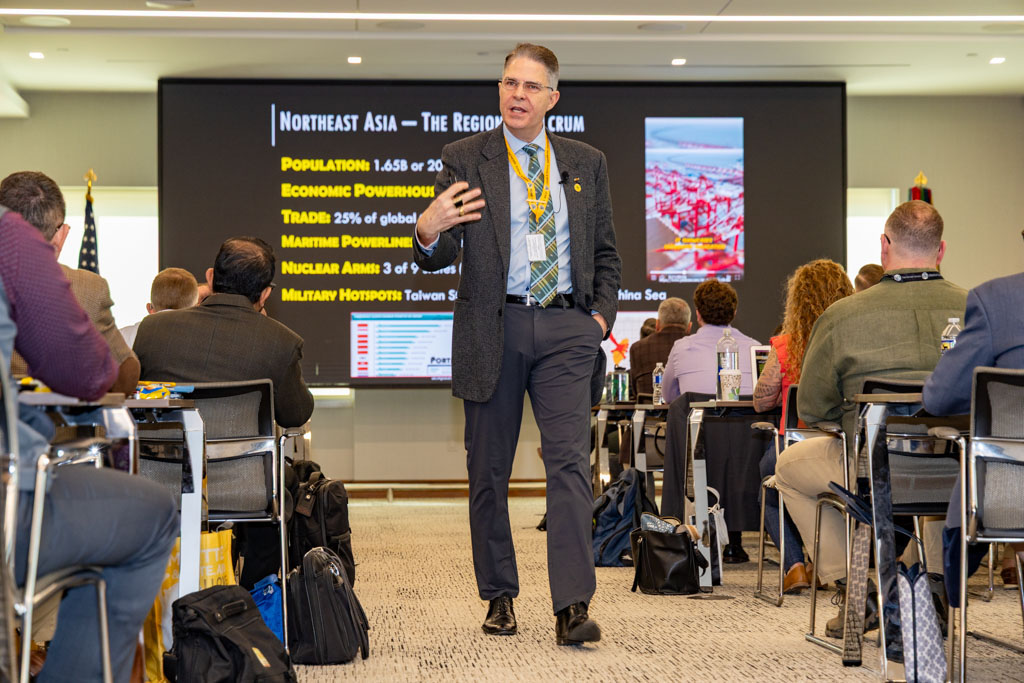
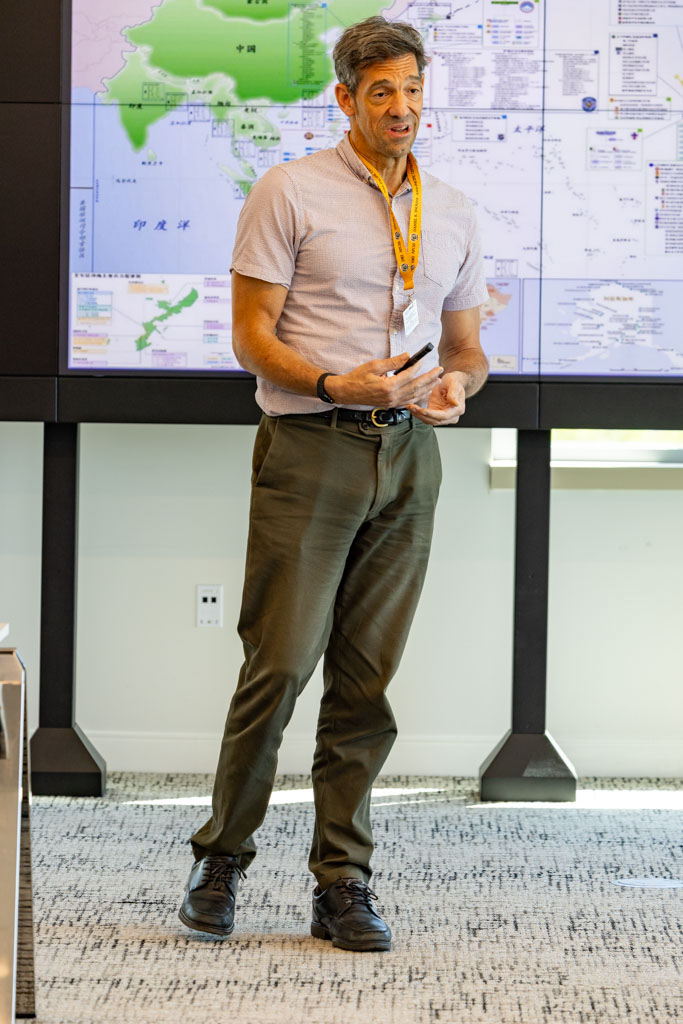
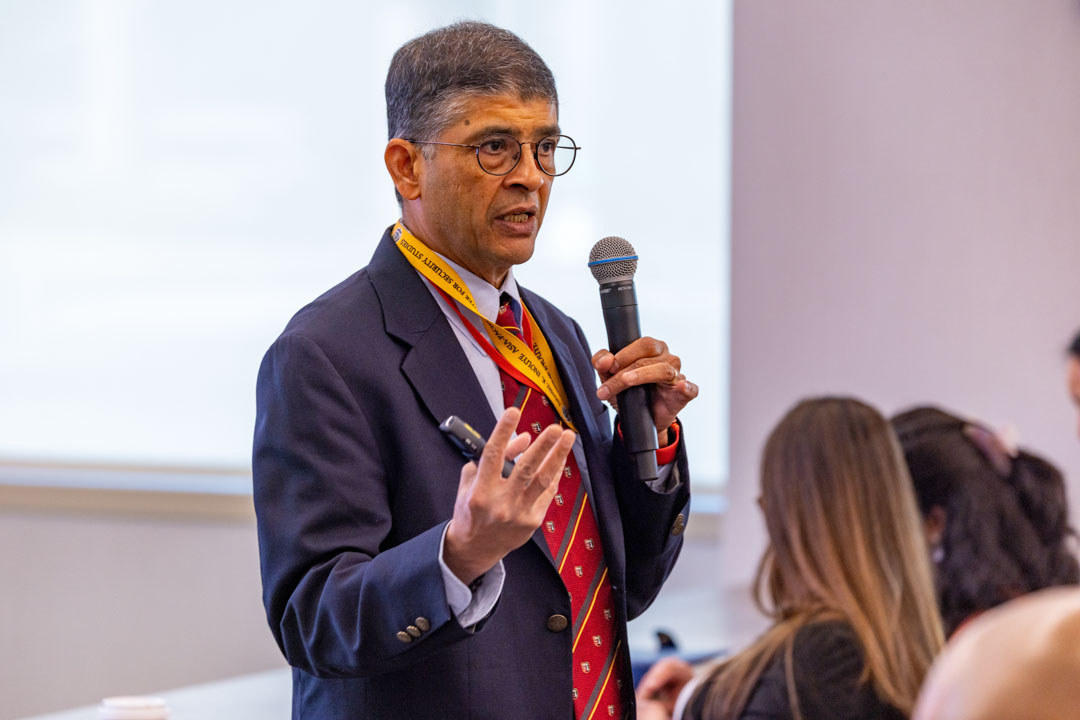
DKI APCSS professor Dr. Bill Wieninger was part of the MIPOC team which flew cross-country to present the course. He delivered a lecture on energy security.
“This subject was, obviously, very relevant with all that’s going on currently at the Strait of Hormuz, and that was a very interesting dialogue,” said Wieninger.
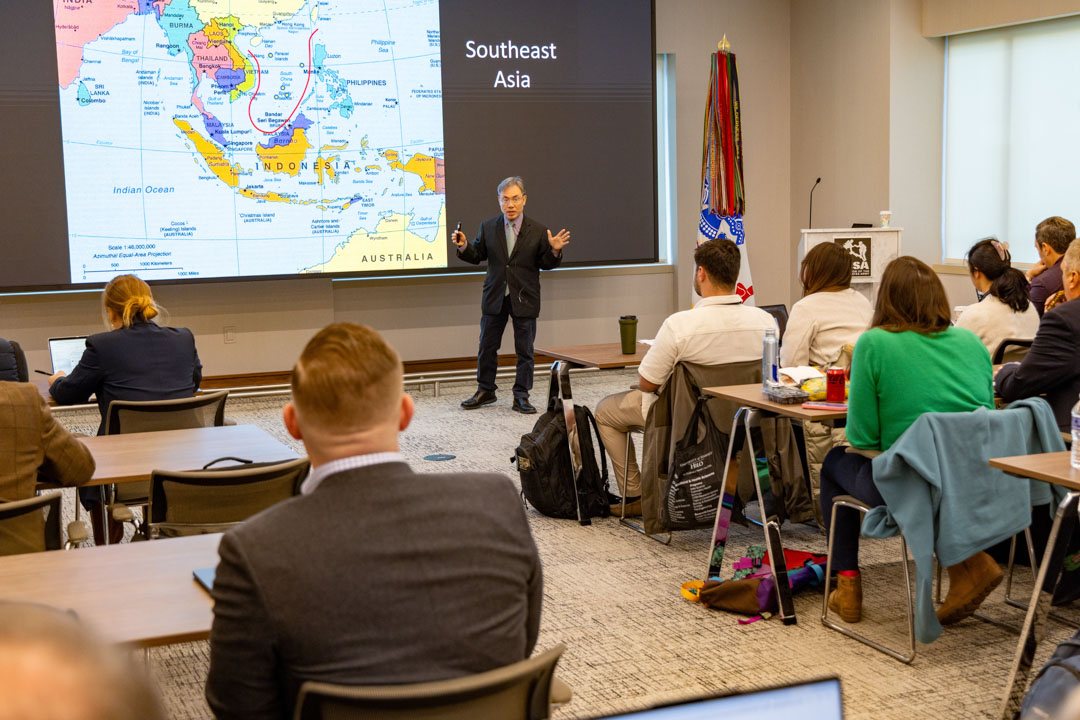
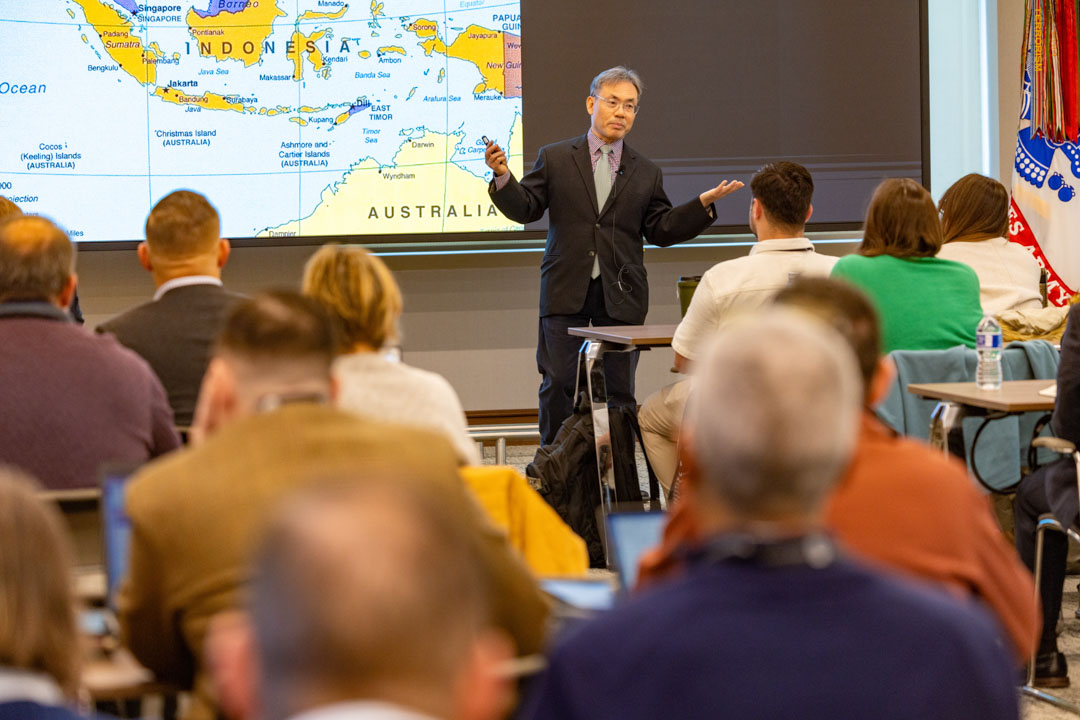
He also taught an engaging elective on nuclear deterrence as well as two sessions about Indonesia, a country with keen strategic importance to the United States.
“The interest in Indonesia is reflected in their geography. They sit astride the Strait of Malacca and some key sea lines of communication,” he said, noting that if there were ever an eruption of conflict that region would become critically important.
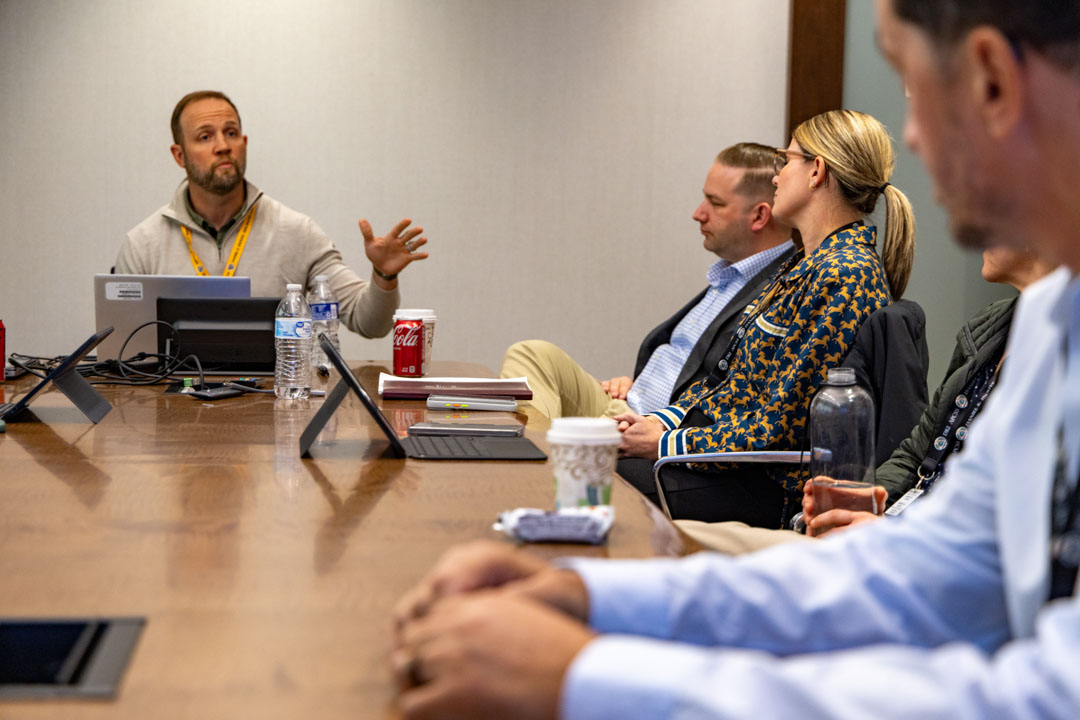
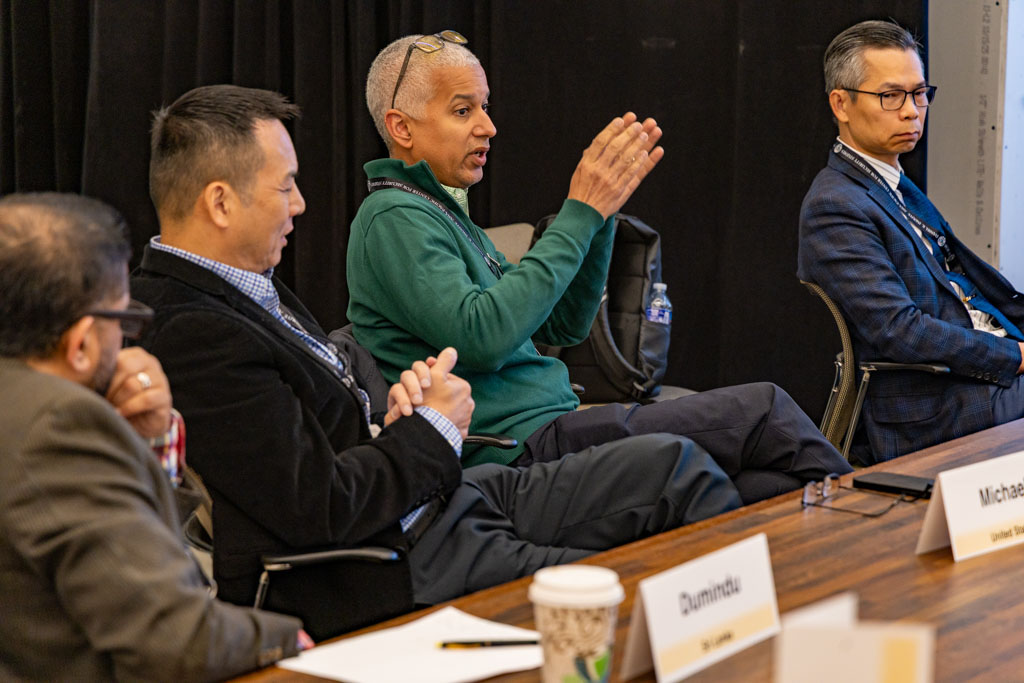
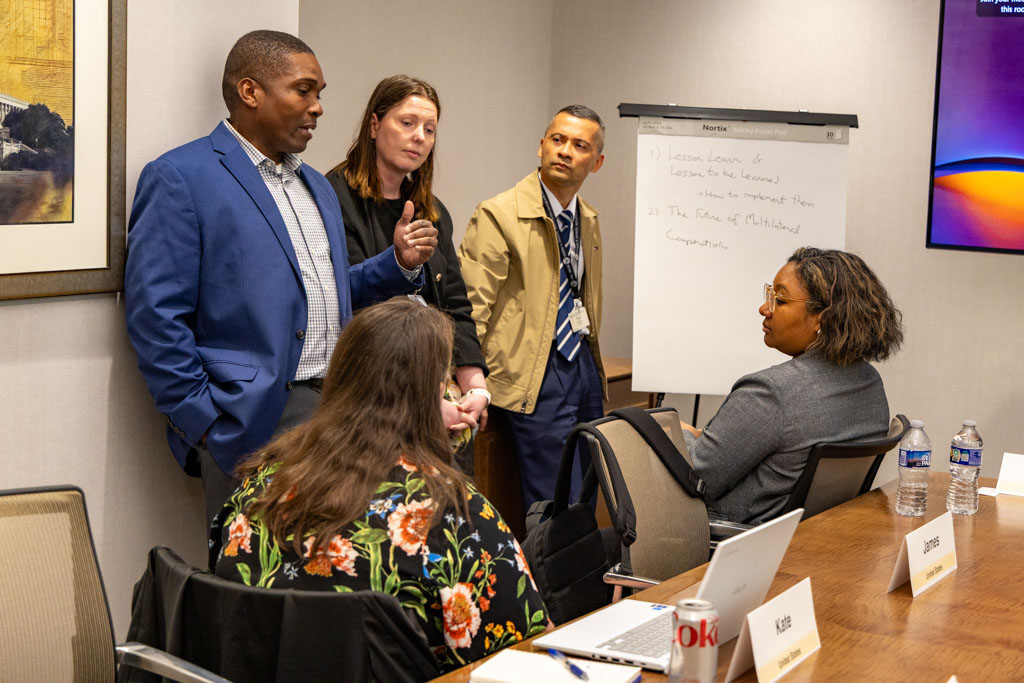
“The energy level, the commitment, and the interest in the subject matter was notably higher than any other MIPOC I’ve attended. Particularly, I saw it in my seminar which was composed of Fellows from the Maldives, Canada, and the U.K., in addition to Americans,” he said. “Everyone was really, really engaged.”
Dr. Wieninger also took the time to congratulate the whole DKI APCSS team that came together to execute a top-notch course, a program that opened minds and perspectives much like the cherry blossoms just outside their windows.






Leave A Comment