
May 24, 2011

News

New Security Nexus Paper Examines Industrial Deterrence in South Asia

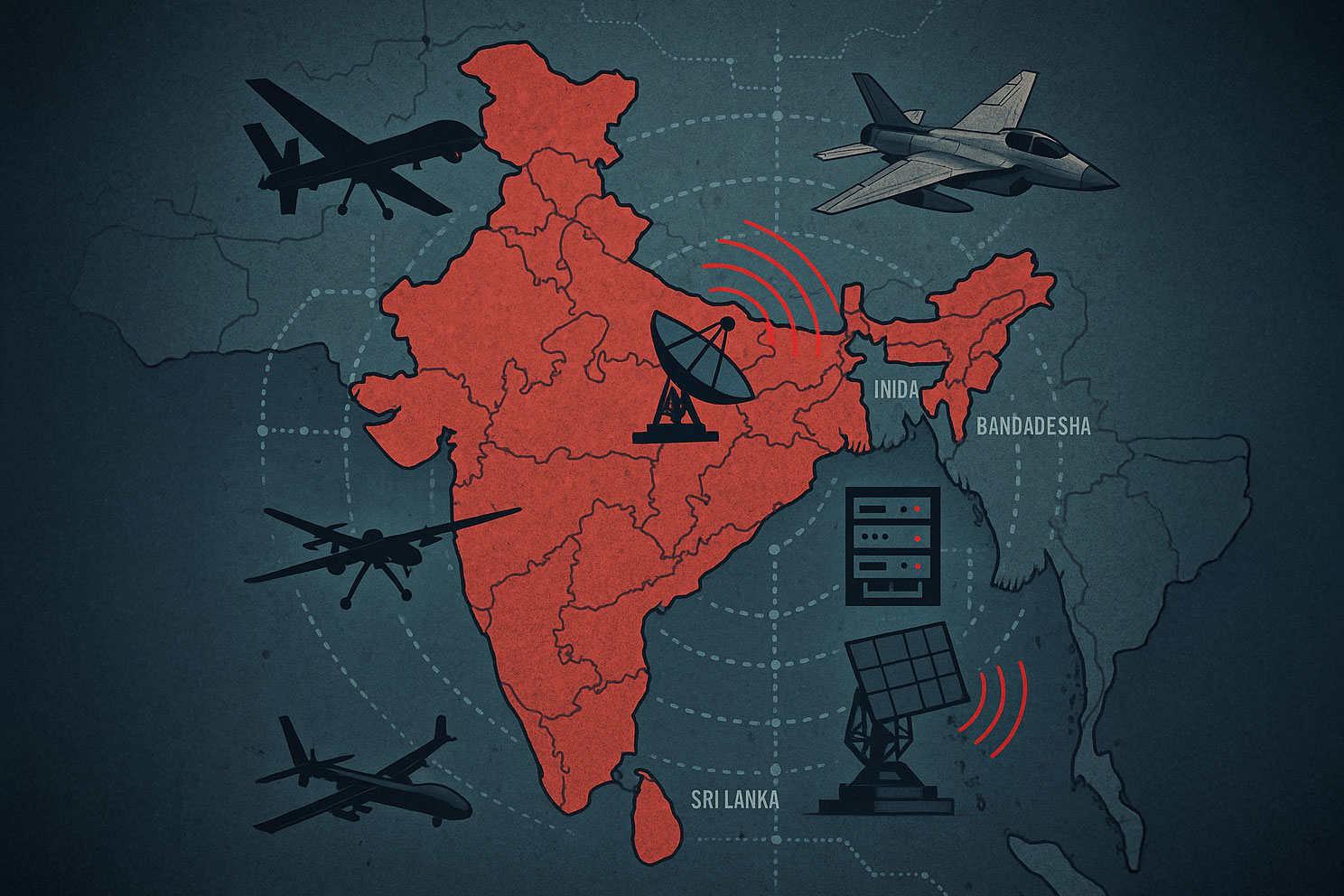
A new Security Nexus paper by Shyam Tekwani, titled “War in South Asia Is a Wake-Up Call: Achieving Peace Through Strength in an Age of Industrial Deterrence,” explores how a brief but intense conflict between India and Pakistan served as a powerful stress test for South Asia’s defense-industrial landscape. The paper draws on real-world capabilities and scenario-based vignettes to analyze how deterrence today is shaped not just by platforms, but by performance—supply chains, maintenance cycles, co-production, and delivery speed.

DKI APCSS Faculty Contribute to Strategic Religious Partnership Training

Two faculty members from the Daniel K. Inouye Asia-Pacific Center for Security Studies recently participated in Strategic Religious Partnership Training-25, hosted by U.S. Army Pacific Chaplains and the U.S. Army Chaplain Corps. The event was held in April at Marine Corps Base Hawaii in Kaneohe. In preparation for the training, the Army chaplains published a magazine featuring contributions from both faculty members. Dr. Andrea Malji authored an article titled “The Significance of Religion in the Pacific and the Strategic Role of Military Chaplaincy,” while Dr. Al Oehlers wrote “Religion in a Values-Based Approach to Strategic Competition.”

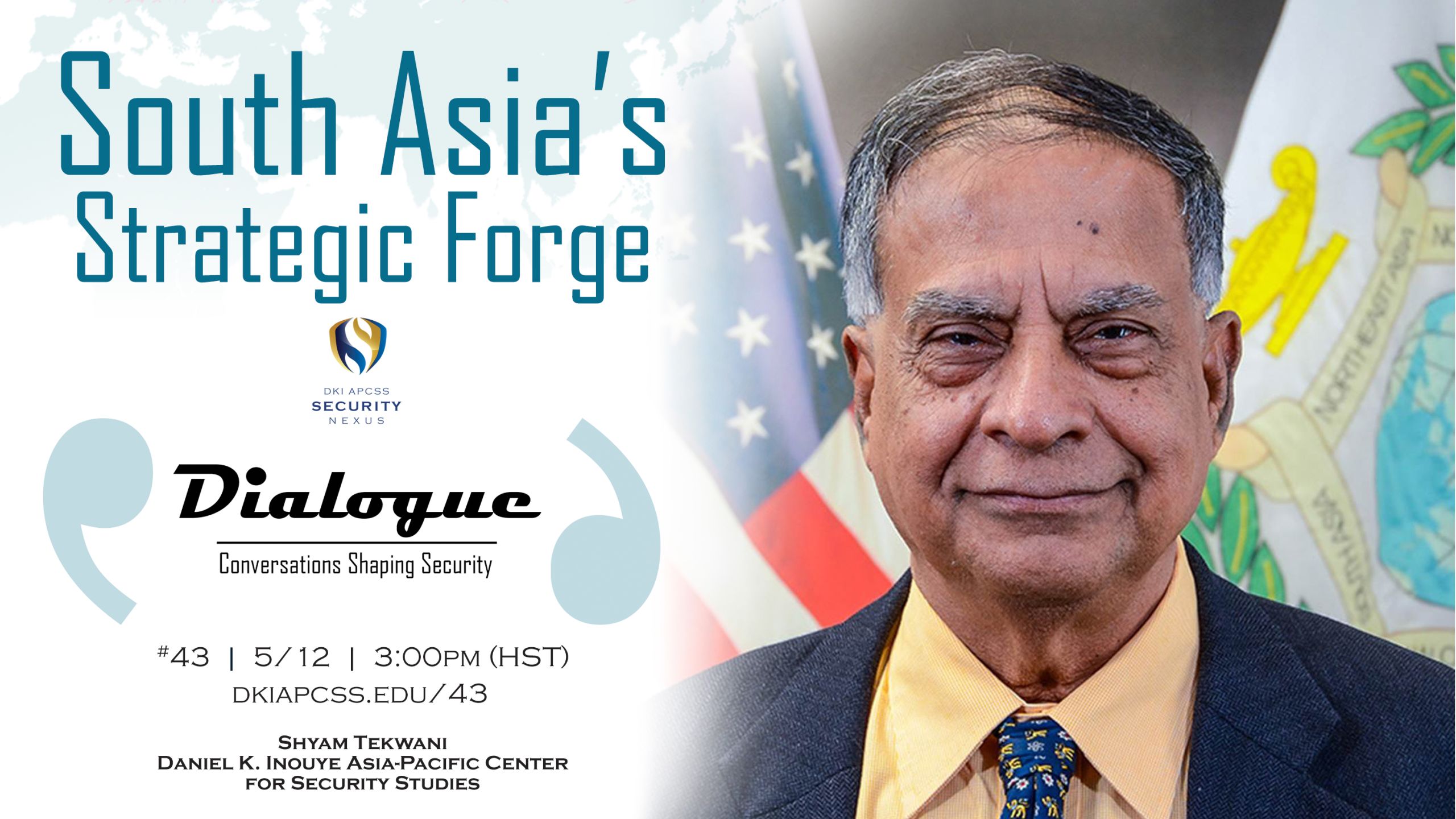
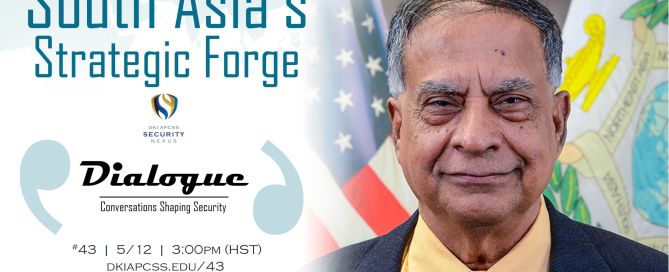
Dialogue | Episode 43: South Asia’s Strategic Forge

South Asia is undergoing a strategic and industrial realignment that is reshaping its defense posture, regional partnerships, and security dynamics. In this episode of Dialogue, Professor Shyam Tekwani, a leading expert on South Asian security, shares insights from decades of experience in the region, offering a sober yet forward-looking analysis of the forces remaking South Asia’s strategic landscape.

By |2025-12-09T13:03:28-10:00May 26, 2025|Categories: Minnich, news, webinar, Dialogue Podcast|Tags: , , |

Karakoa Forum Launched in Manila

MANILA, Philippines – The Department of National Defense (DND) and the National Defense College of the Philippines (NDCP) hosted a two-day Karakoa Forum in Manila on April 25 and 28, 2025, in partnership with the Daniel K. Inouye Asia-Pacific Center for Security Studies (DKI APCSS). A team of five DKI APCSS faculty members — Dr. Ginnie Watson, Professor Mike Burgoyne, Dr. Sam Mullins, Col. Matt Kent, and Maj. Kyle Brown — traveled to the Philippines at the invitation of the government to support the launch of the inaugural forum.

Regional Tensions Emerge as Bangladesh Moves Closer to Pakistan, Explored in new Security Nexus Paper

A new Security Nexus perspective by Dr. Srini Sitaraman (DKI APCSS) and Ms. Anuttama Banerji (National Maritime Foundation) examines the rapid political and strategic realignment in South Asia following the fall of the Sheikh Hasina government in Bangladesh. Titled “India-Bangladesh Water Issues Reappear as Bangladesh-Pakistan Relations Rapidly Progress,” the paper explores the implications of renewed Pakistan-Bangladesh ties—including defense cooperation and trade—on India’s regional influence and water-sharing disputes.

Security Nexus Perspective Warns of Growing Risk in the Eastern Himalayas

Security Nexus perspective, “Where Maps Blur and Rivers Speak: China, India, and the Contest for the Eastern Himalayas,” by Shyam Tekwani, explores a rising flashpoint in South Asia where geopolitics, geography, and water security converge. As India suspends the Indus Waters Treaty with Pakistan, this piece shifts focus eastward to the tri-junction of India, China, and Bhutan—a region marked by contested borders, spiritual significance, and increasingly fragile stability. Tekwani highlights the strategic importance of Arunachal Pradesh, where infrastructure build-up, unresolved territorial claims, and water disputes heighten the risk of conflict without warning or reliable de-escalation mechanisms.

Security Nexus Perspective Analyzes the Role and Risks of AI in Peacekeeping Operations

A Security Nexus perspective, “Artificial Intelligence in Contemporary Peacekeeping Operations,” by Munkh-Orgil Tuvdendarjaa, explores how AI is reshaping UN peacekeeping through tools like predictive modeling and real-time threat detection, as seen in missions such as MONUSCO. While AI enhances [...]

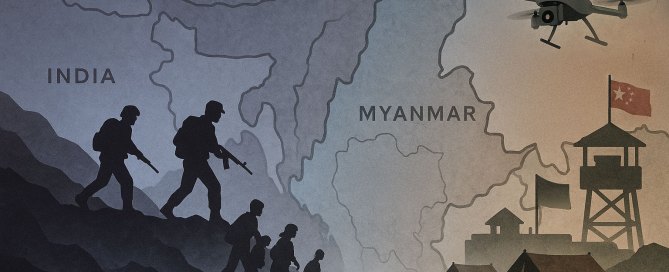
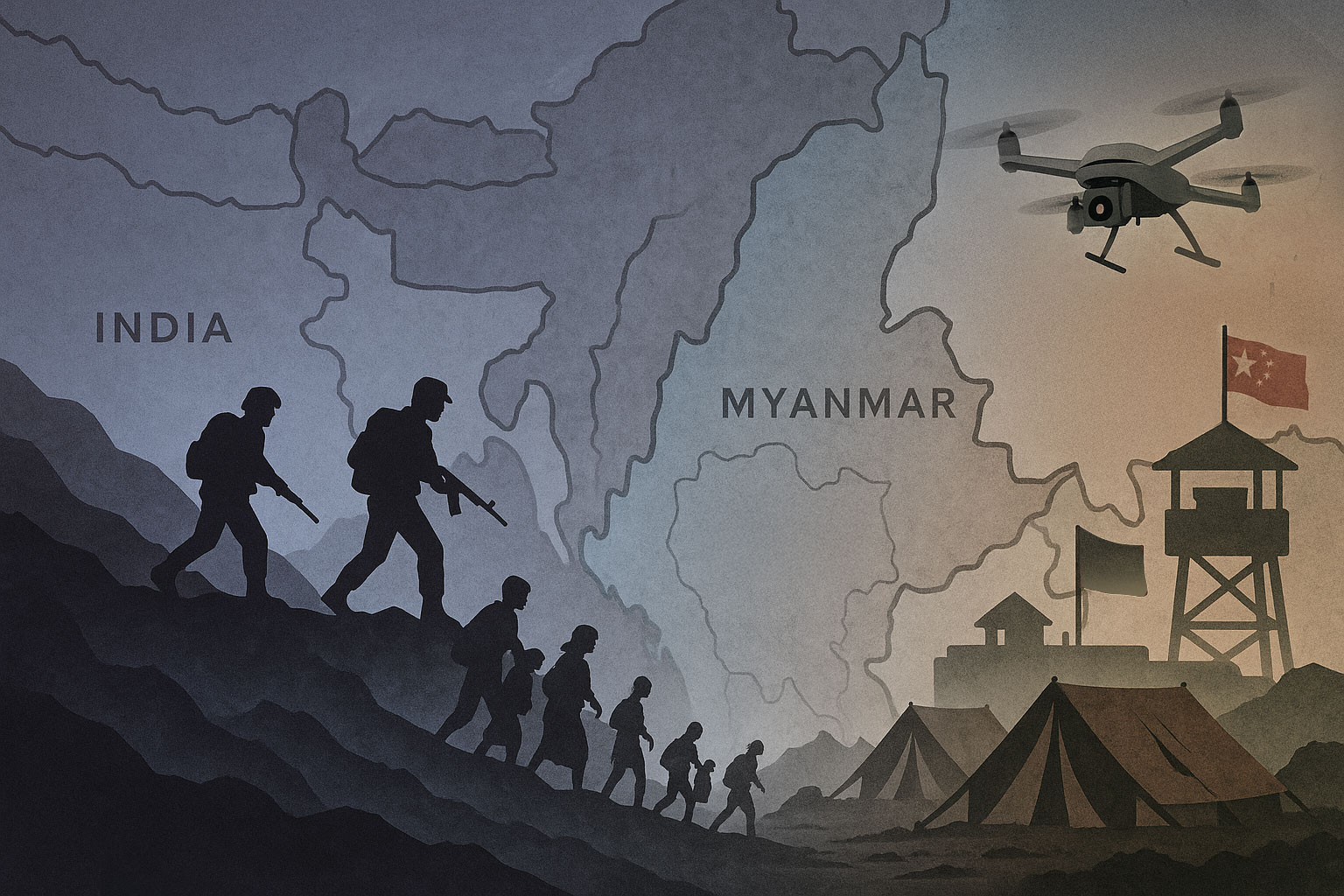
Security Nexus Perspective Highlights Cross-Border Impact of Myanmar Conflict on India’s Northeast

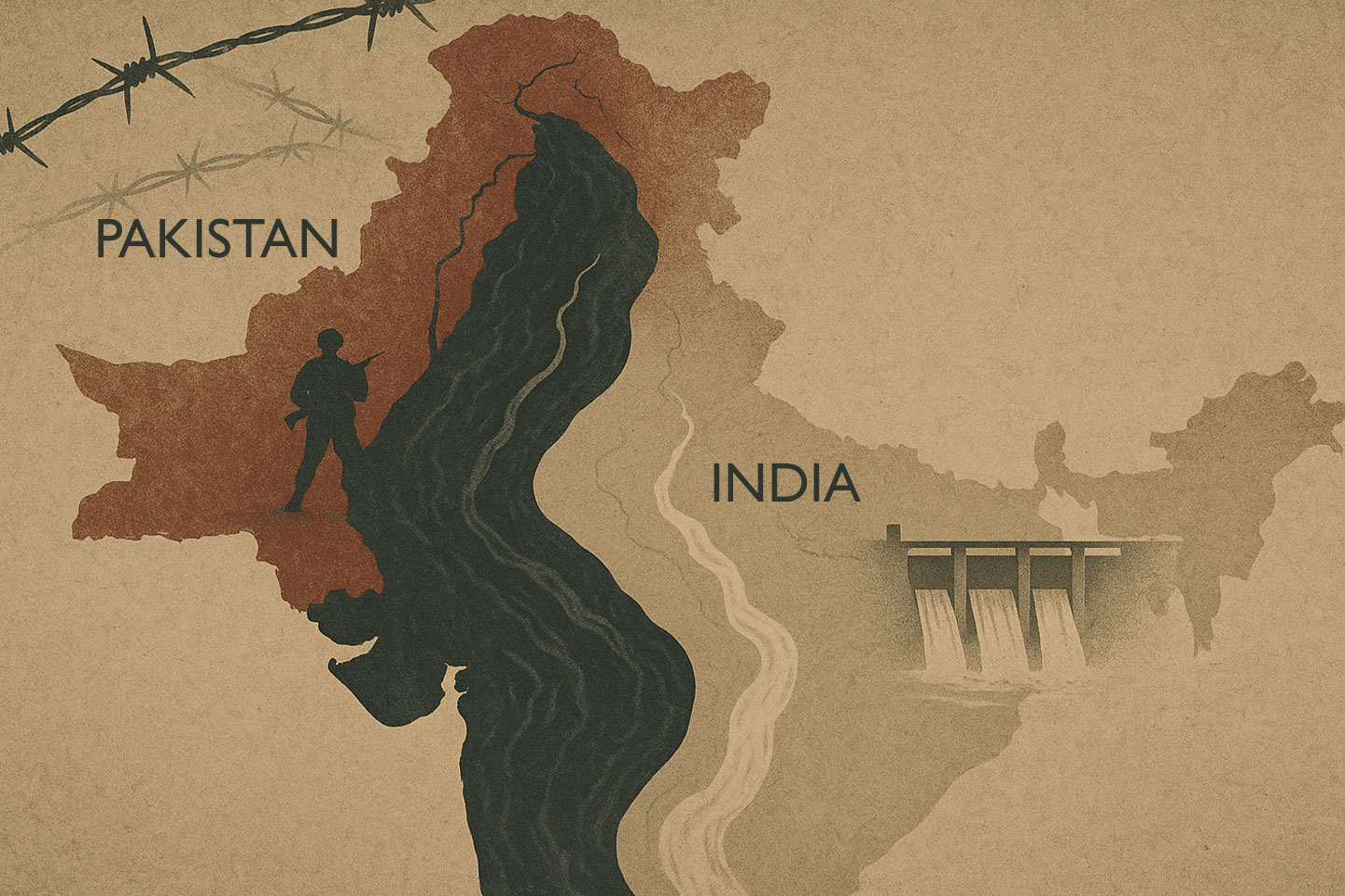
A Security Nexus perspective, “Terrorism and Water Wars: India-Pakistan on the Brink of a Major Conflagration,” by Ms. Anuttama Banerji and Dr. Srini Sitaraman, examines the mounting crisis between India and Pakistan following the April 2025 terrorist attack in Kashmir that claimed 26 lives. The authors argue that India’s decision to suspend participation in the Indus Waters Treaty (IWT)—a longstanding cornerstone of India-Pakistan conflict management—marks a dramatic and dangerous escalation with wide-ranging implications.

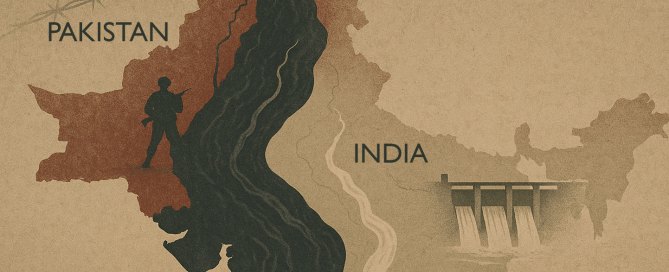
Security Nexus Perspective Explores Water, Terrorism, and Escalating Risk in South Asia

A Security Nexus perspective, “Terrorism and Water Wars: India-Pakistan on the Brink of a Major Conflagration,” by Ms. Anuttama Banerji and Dr. Srini Sitaraman, examines the mounting crisis between India and Pakistan following the April 2025 terrorist attack in Kashmir that claimed 26 lives. The authors argue that India’s decision to suspend participation in the Indus Waters Treaty (IWT)—a longstanding cornerstone of India-Pakistan conflict management—marks a dramatic and dangerous escalation with wide-ranging implications.

Security Nexus Perspective Explores How Unresolved Conflicts Undermine Stability in South Asia

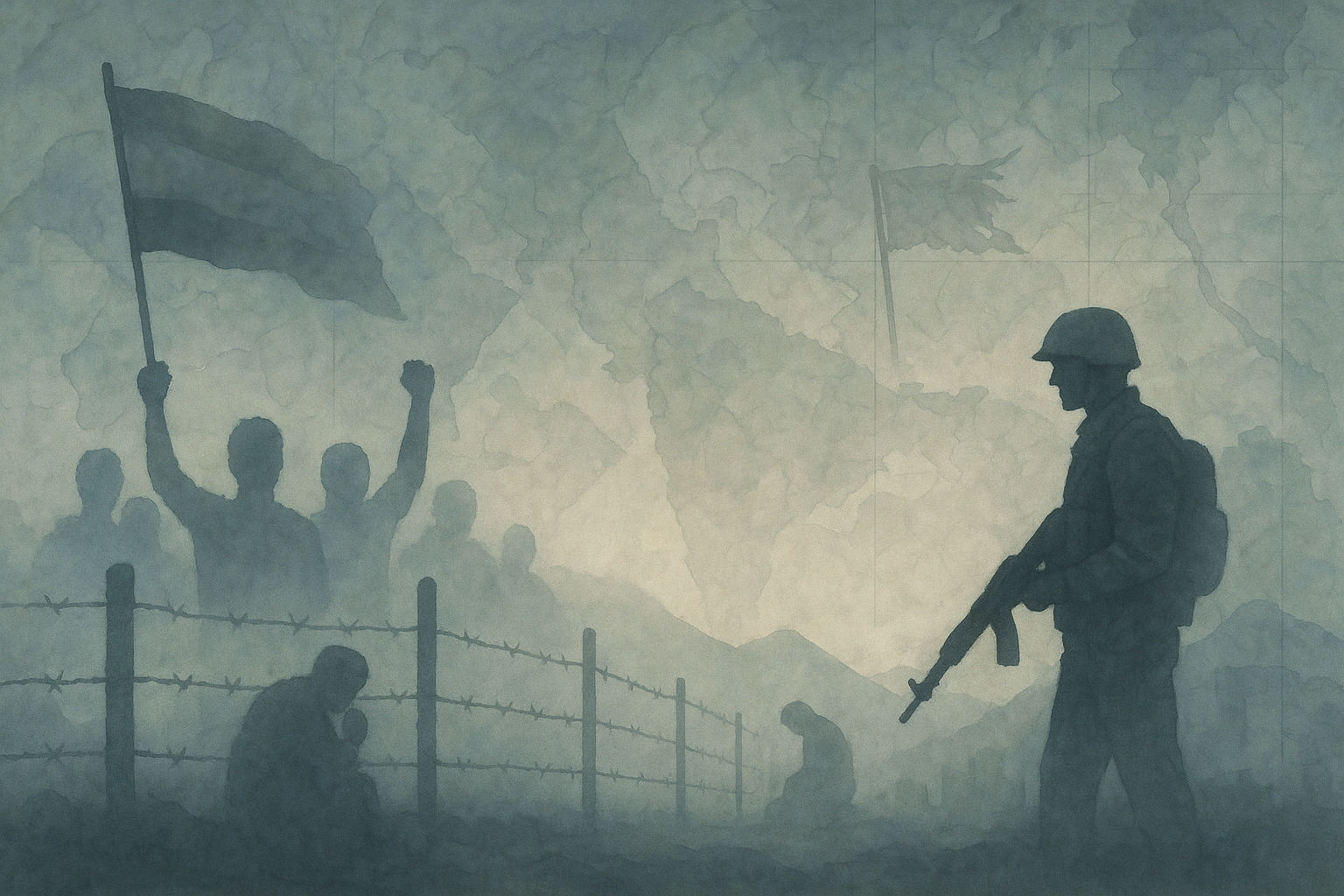
In this Security Nexus Perspective by Shyam Tekwani, a professor at the Daniel K. Inouye Asia-Pacific Center for Security Studies, “Ghosts at the Border: Unfinished Conflicts in South Asia,” examines a region where the past persists. From the bloodied hills of Balochistan to the curfewed valleys of Kashmir, South Asia’s unfinished wars simmer beneath the surface, flaring up when least expected. Tekwani challenges official narratives of peace and progress to expose a harsher reality: silence is not stability, and development cannot erase memory. Across diasporas and front lines, rebellions once thought defeated are mutating, crossing borders, and complicating diplomacy. With a journalist’s insight and a sharp memory for unresolved truths, the essay warns that the ghosts of state violence do not vanish—they organize, vote, agitate, and, when ignored, return with force.

Go to Top