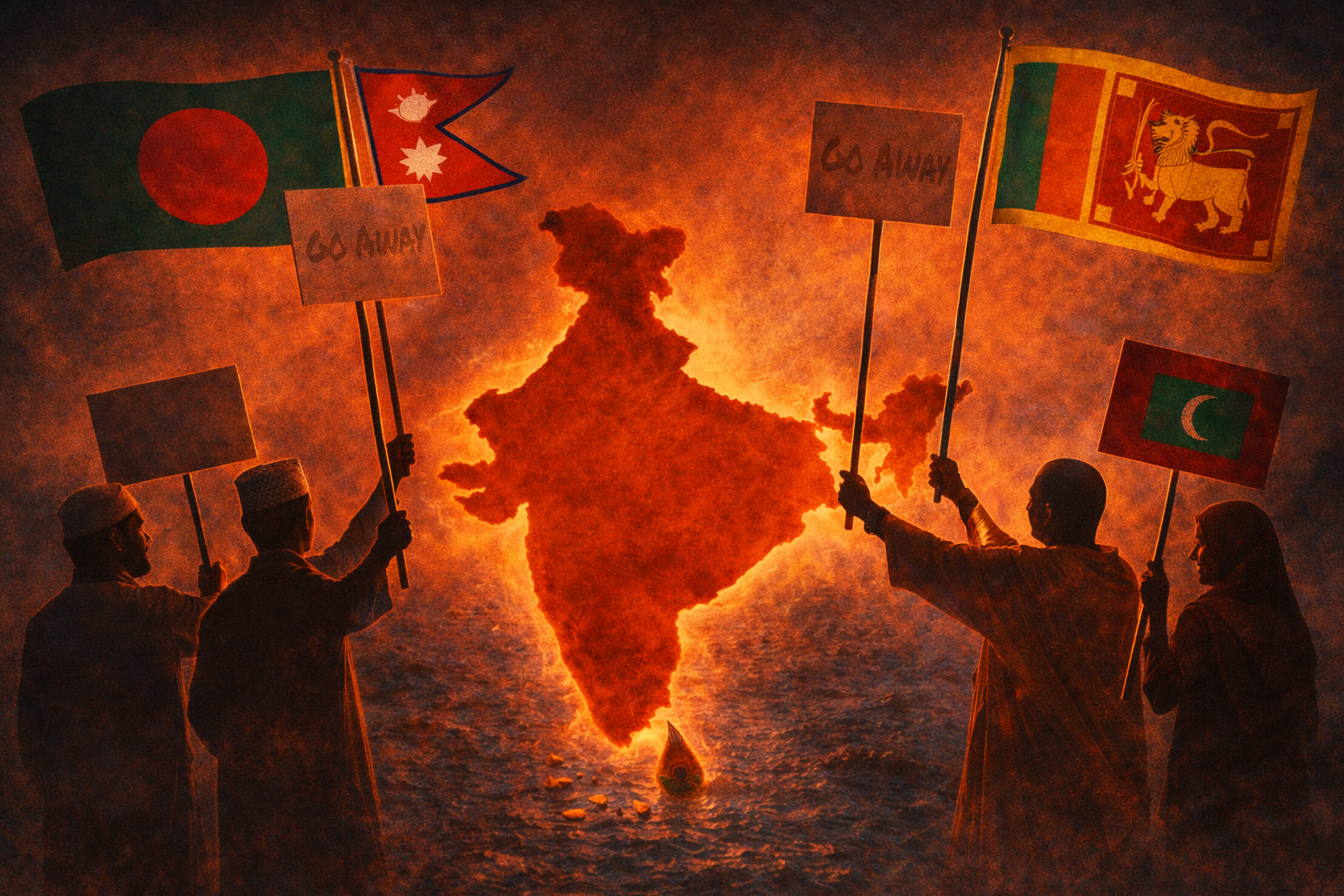

Security Nexus Perspective: Proximity, Perception, and Pushback in South Asia

By |2026-01-07T12:06:47-10:00January 7, 2026|Categories: Tekwani, Security Nexus, news|Tags: , , , , , , , |

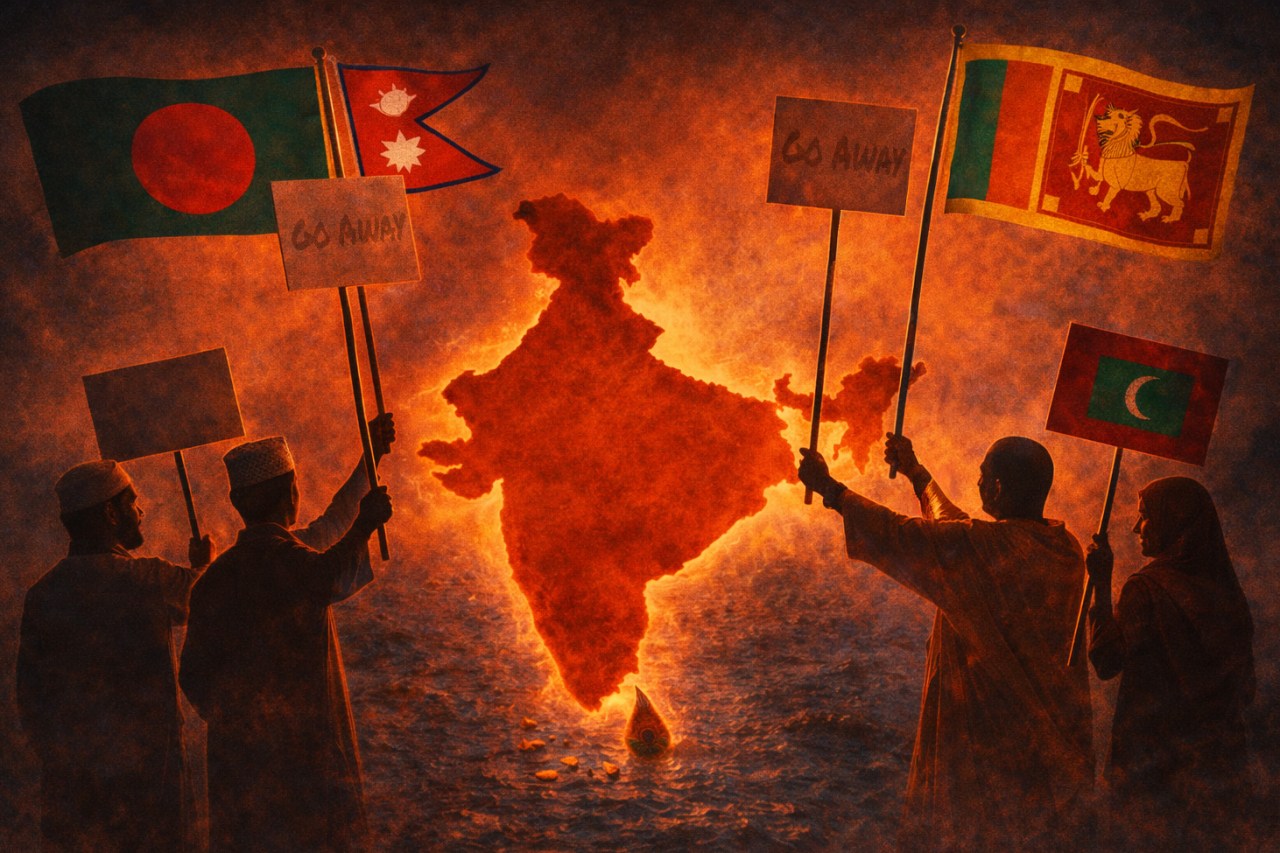
Launched in 2014, India’s Neighborhood First policy sought to stabilize South Asia through proximity and engagement. In this Security Nexus Perspective, DK APCSS Professor Shyam Tekwani argues that recurring “India Out” protests are not ideological rejections of cooperation but reflexive responses to proximity itself, shaped by historical memory, asymmetry, and media amplification. Drawing on cases from Bangladesh, the Maldives, Nepal, and Sri Lanka, the essay shows how India’s structural presence can generate unease that media narratives rapidly convert into external blame.

Joshua Hastey

By |2026-01-06T15:32:40-10:00January 6, 2026|Categories: Adjunct Professor|Tags: , , , , |

Dr. Joshua Hastey is the deputy regional advisor for the Indo-Pacific region at the Department of War’s Irregular Warfare Center and part-time faculty at Regent University. His teaching and writing focus on gray zone operations and strategic competition, with an emphasis on China’s challenges in the Indo-Pacific. He is also the associate editor of PRISM: The Journal of Complex Operations.

Do States Act Rationally?

By |2025-12-09T13:04:02-10:00August 29, 2025|Categories: Vuving, Publications, news|Tags: , , , , , , , , |

The article discusses the concept of rationality and its evolution, the state of the art on state rationality, and the strategic thinking of 14 states in the Indo-Pacific, including the United States, China, Russia, Japan, India, South Korea, Taiwan, Vietnam, Thailand, Malaysia, Singapore, Indonesia, Australia, and New Zealand.

Maluhia Talks 2025 Shine a Light on Regional Challenges

By |2025-12-09T13:03:51-10:00April 21, 2025|Categories: Workshops/Events, news|Tags: , , , , , , , , , , |

In April, the Daniel K. Inouye Asia Pacific Center for Security Studies (DKI APCSS) convened senior officials from the United States, key Indo-Pacific nations, and other allies and partners for the Maluhia Talks, which focus on Indo-Pacific challenges, priorities, and security opportunities. The event included 18 participants from 15 countries across the region and beyond.

Go to Top