

Security Nexus Perspective: Critical Minerals and Coercive Power in the Indo-Pacific

By |2025-12-12T11:47:22-10:00December 12, 2025|Categories: Security Nexus, news, Malji|Tags: , , , , , , , , , |

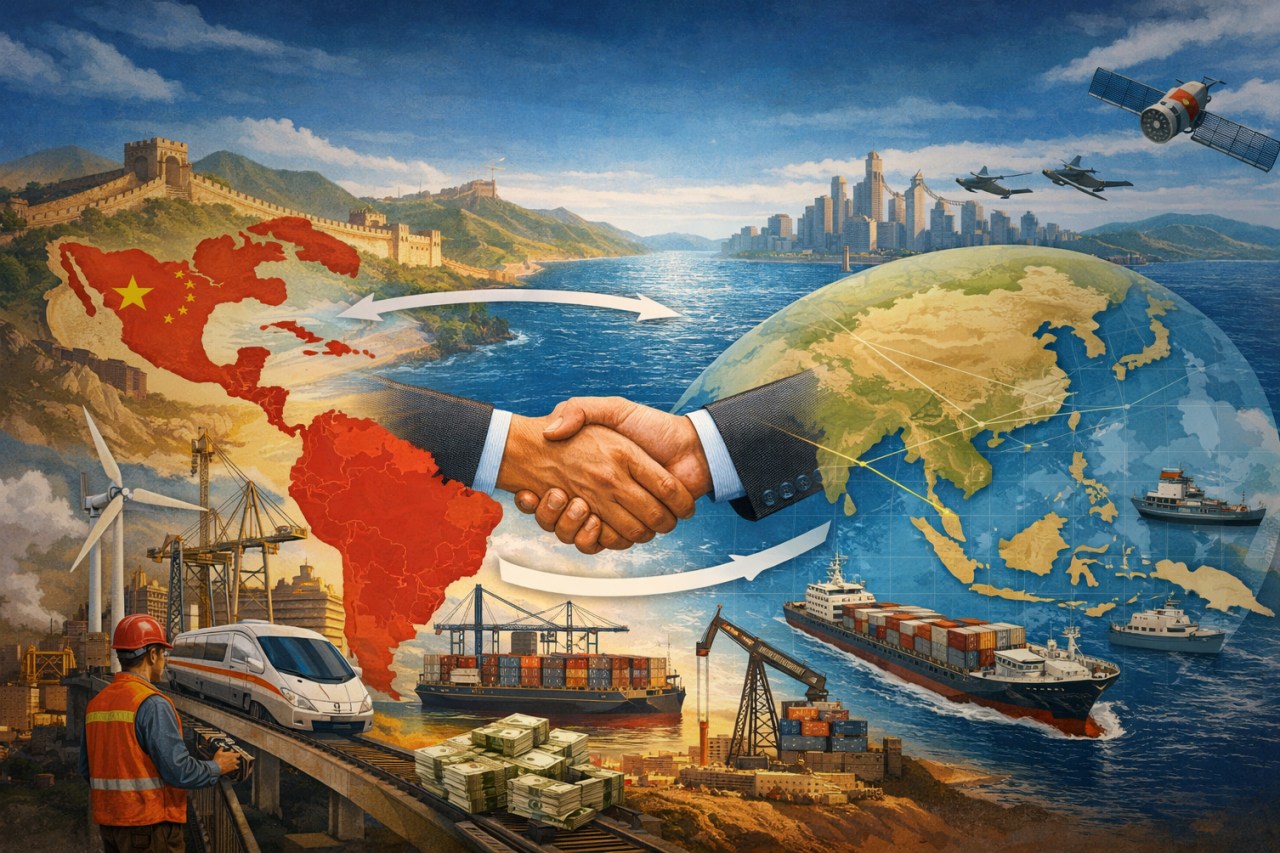
Andrea Malji, a professor at the Daniel K. Inouye Asia-Pacific Center for Security Studies, examines the strategic role of critical minerals in the Indo-Pacific and their use as tools of geopolitical leverage. Malji highlights how rare earth elements and their derivatives are essential for advanced technologies, with the Indo-Pacific serving as the hub for processing and transport. China’s dominance in refining capacity and control over key maritime chokepoints has enabled it to use mineral policy as a form of statecraft, influencing global supply chains and state behavior.

New Security Nexus Paper Examines Industrial Deterrence in South Asia

By |2025-12-09T13:03:17-10:00June 6, 2025|Categories: Tekwani, Security Nexus, news|Tags: , , , , , , , , , |

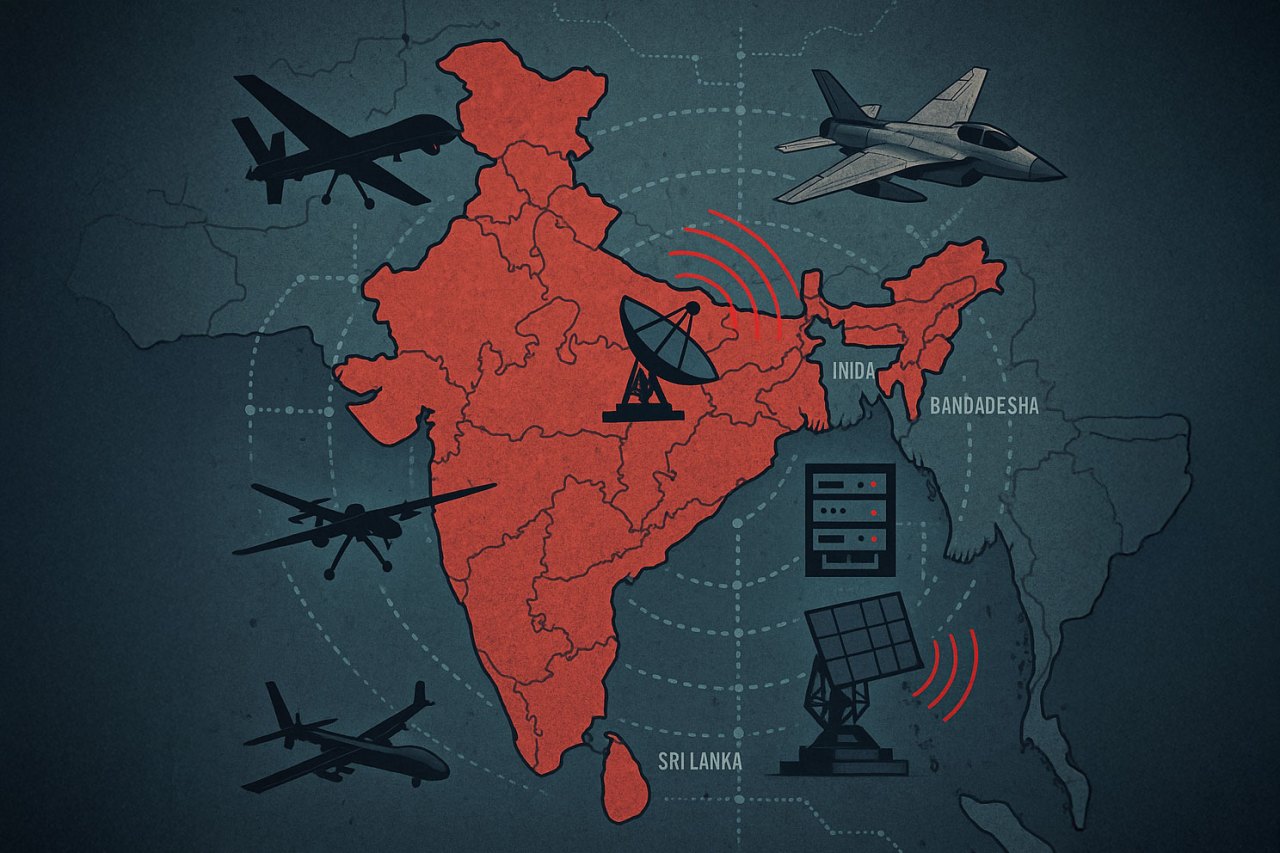
A new Security Nexus paper by Shyam Tekwani, titled “War in South Asia Is a Wake-Up Call: Achieving Peace Through Strength in an Age of Industrial Deterrence,” explores how a brief but intense conflict between India and Pakistan served as a powerful stress test for South Asia’s defense-industrial landscape. The paper draws on real-world capabilities and scenario-based vignettes to analyze how deterrence today is shaped not just by platforms, but by performance—supply chains, maintenance cycles, co-production, and delivery speed.

Security Nexus Perspective Calls for Stronger U.S.-India Defense Production Ties

By |2025-12-09T13:03:17-10:00April 9, 2025|Categories: Tekwani, Security Nexus, news|Tags: , , , , , , , , , |

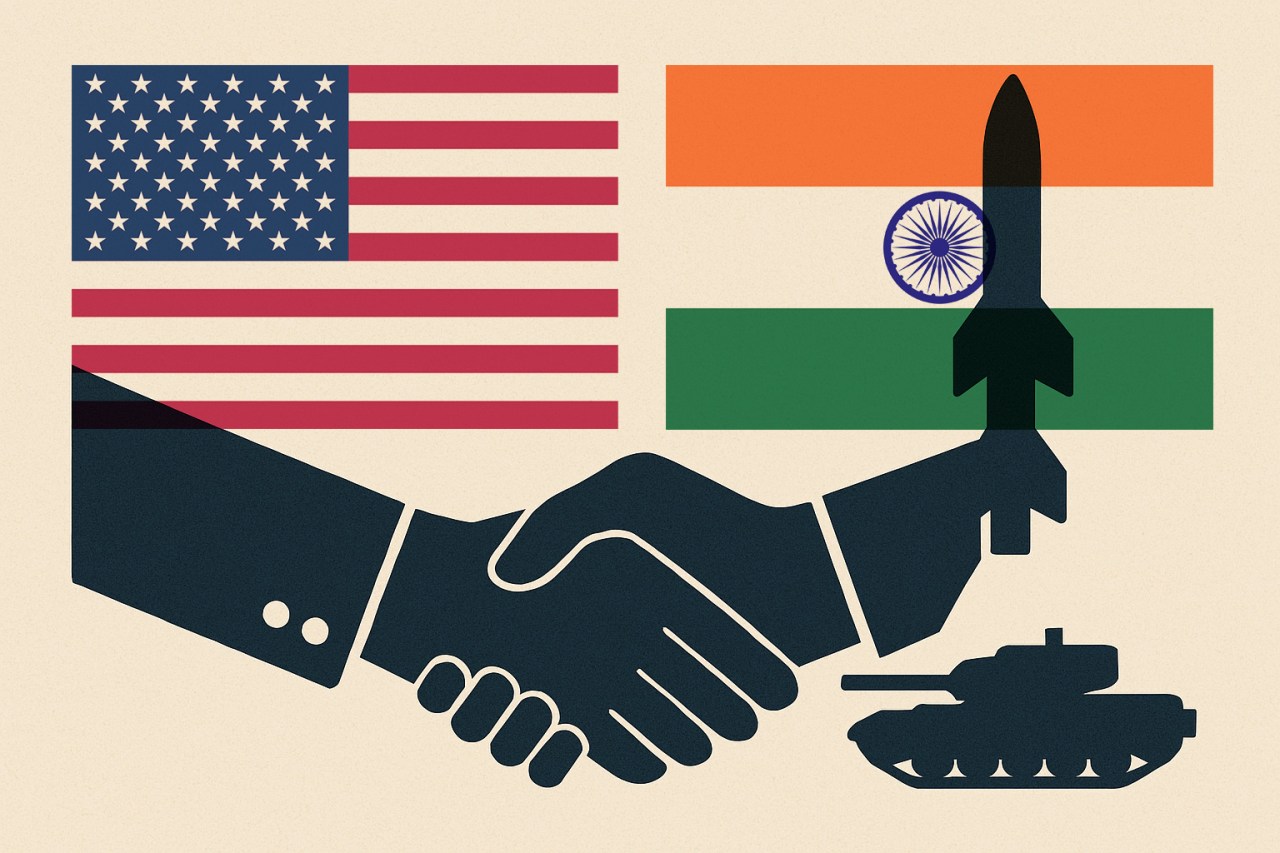
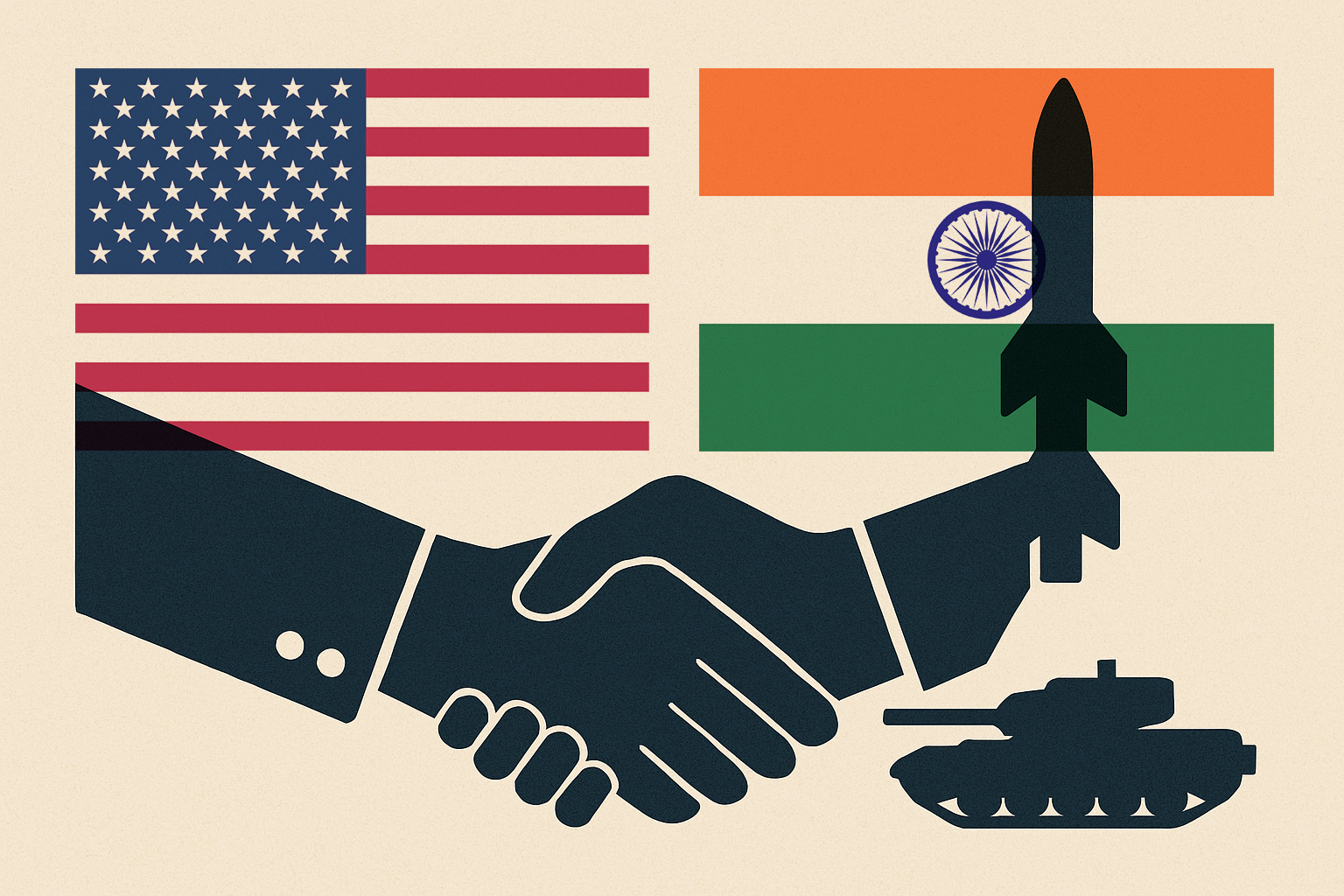
A Security Nexus perspective, “Deterrence Needs a Factory: Fixing the U.S.–India Industrial Gap,” by Shyam Tekwani, professor at the Daniel K. Inouye Asia-Pacific Center for Security Studies, argues that while strategic alignment between the United States and India has advanced, their defense industrial cooperation remains underdeveloped. The essay highlights how both countries share mutual goals—resilient supply chains, forward deterrence, and defense innovation—yet continue to fall short on implementation. Tekwani urges both nations to shift from high-level dialogue to ground-level execution, including co-investment in manufacturing and defense technologies.

Go to Top