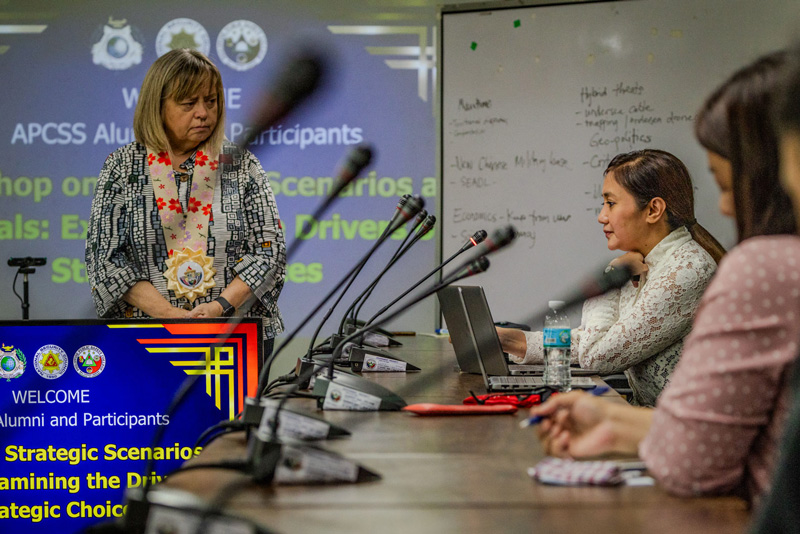

Philippines Alumni Workshop on Strategic Scenarios and Signals
DKI APCSS hosts a successful alumni workshop in the Philippines on strategic scenarios, strengthening partnerships and discussing Indo-Pacific security with key officials.
By APCSS Editor|2026-02-25T12:31:36-10:00February 25, 2026|Categories: Workshops/Events, news|Tags: Indo-Pacific, defense, Philippines, regional security, Security Cooperation, alumni workshop, strategic scenarios, National Security Council, alliances|
DKI APCSS hosts a successful alumni workshop in the Philippines on strategic scenarios, strengthening partnerships and discussing Indo-Pacific security with key officials.
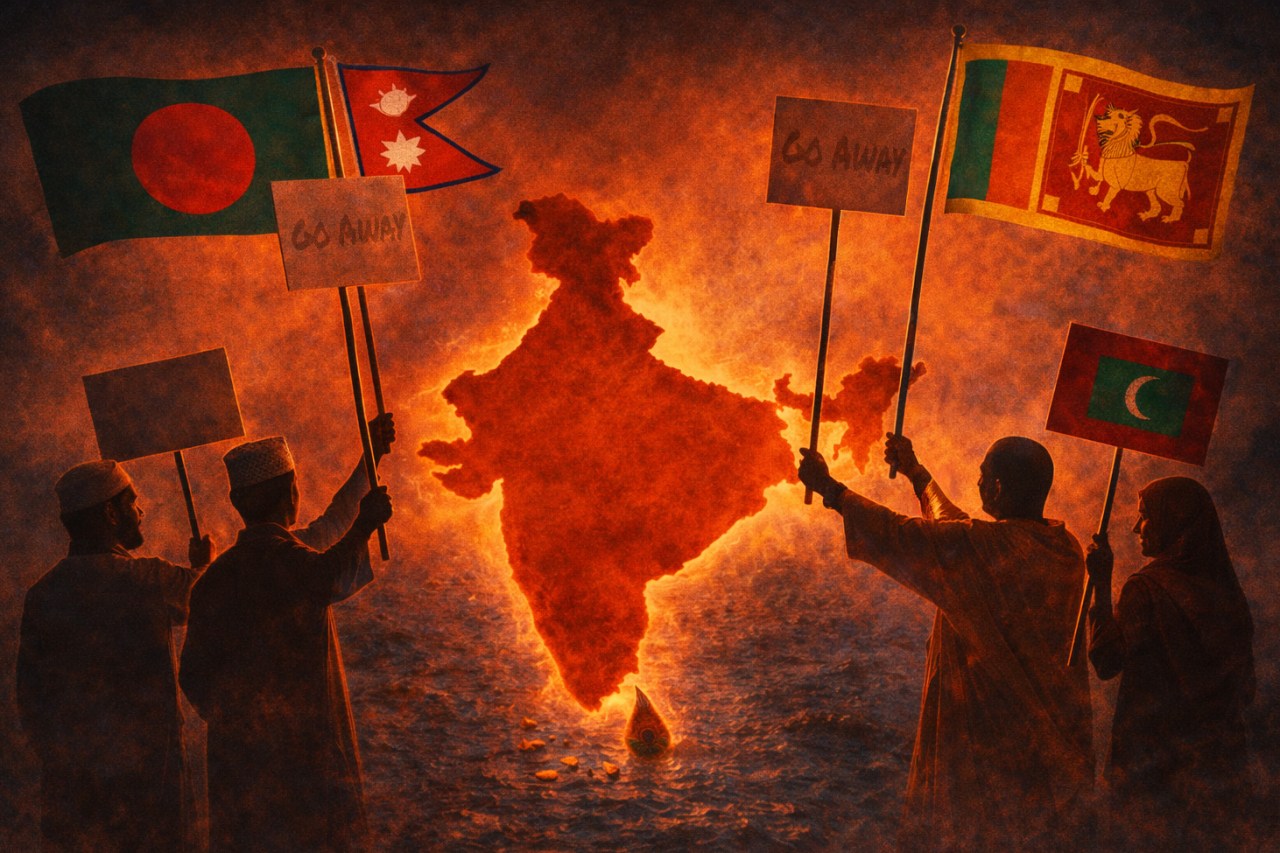
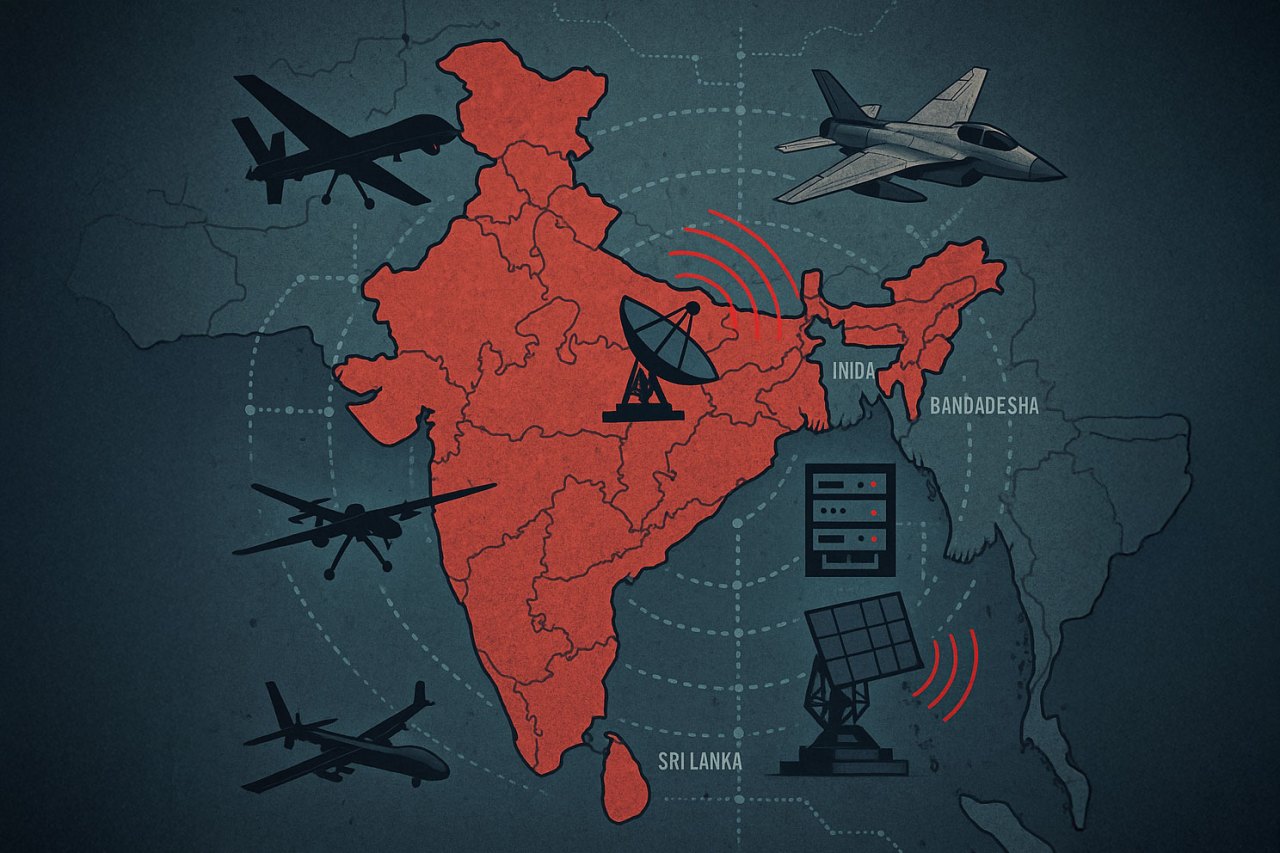
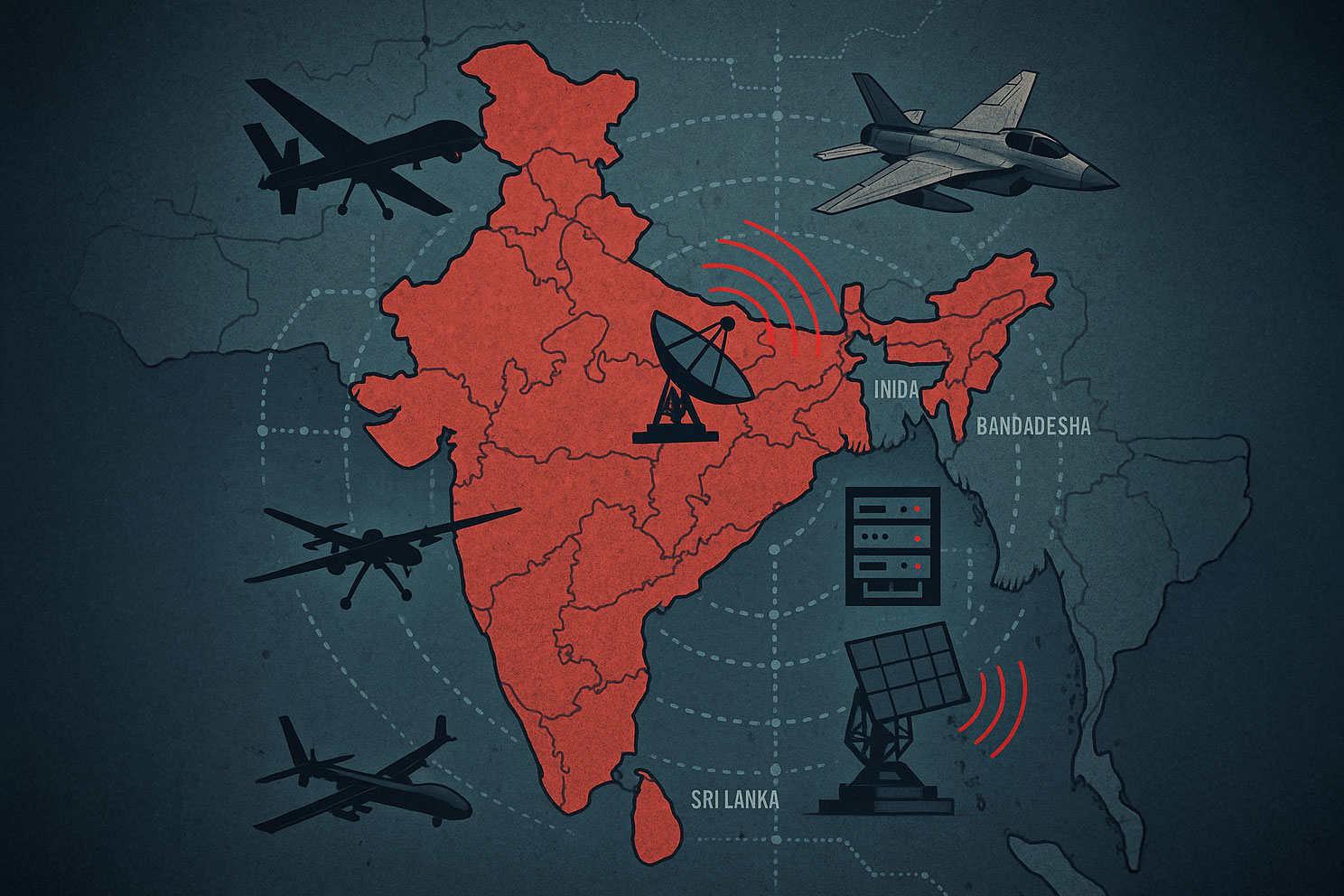
By APCSS Editor|2026-01-07T12:06:47-10:00January 7, 2026|Categories: Tekwani, Security Nexus, news|Tags: India, South Asia, Geopolitics, regional security, International relations, Neighborhood First policy, proximity dynamics, media influence|
Launched in 2014, India’s Neighborhood First policy sought to stabilize South Asia through proximity and engagement. In this Security Nexus Perspective, DK APCSS Professor Shyam Tekwani argues that recurring “India Out” protests are not ideological rejections of cooperation but reflexive responses to proximity itself, shaped by historical memory, asymmetry, and media amplification. Drawing on cases from Bangladesh, the Maldives, Nepal, and Sri Lanka, the essay shows how India’s structural presence can generate unease that media narratives rapidly convert into external blame.
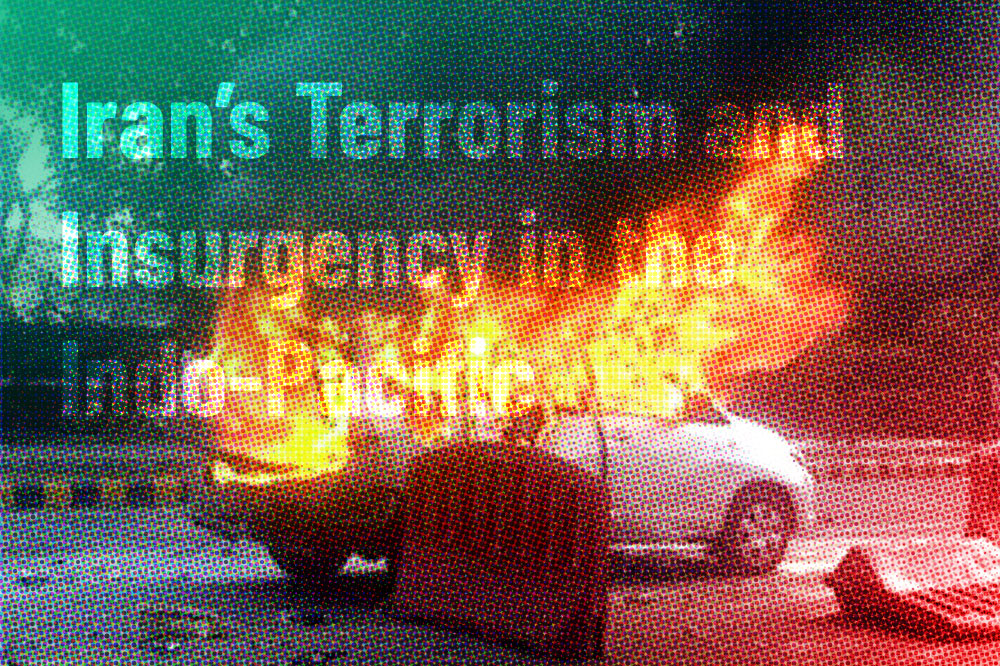
By APCSS Editor|2025-12-09T13:03:16-10:00September 8, 2025|Categories: Lumbaca, Security Nexus, news|Tags: proxy warfare, state-sponsored terrorism, regional intelligence sharing, Middle East influence, Iran-Israel conflict, Iranian influence, Southeast Asia terrorism, Iranian proxies, missile shipments, terrorism, Israeli embassy attacks, IRGC, Hezbollah, insurgency, Iran, USINDOPACOM, regional security, Indo-Pacific|
Dr. Lumpy Lumbaca, a counterterrorism expert and faculty member at the Daniel K. Inouye Asia-Pacific Center for Security Studies, explores how Iran has quietly extended its terrorism and insurgency campaigns into the Indo-Pacific in a new Security Nexus article, Iran’s Terrorism and Insurgency in the Indo-Pacific: Implications for the U.S. and Its Partners. Despite its limited recognition as a regional threat, Iran has used proxy networks and covert operations to target Israeli interests across the region for decades. From attempted embassy bombings and airline plots to the use of forged passports and illicit arms shipments, the article details how these actions support Iran’s broader strategy of asymmetric warfare aimed at destabilizing its adversaries.
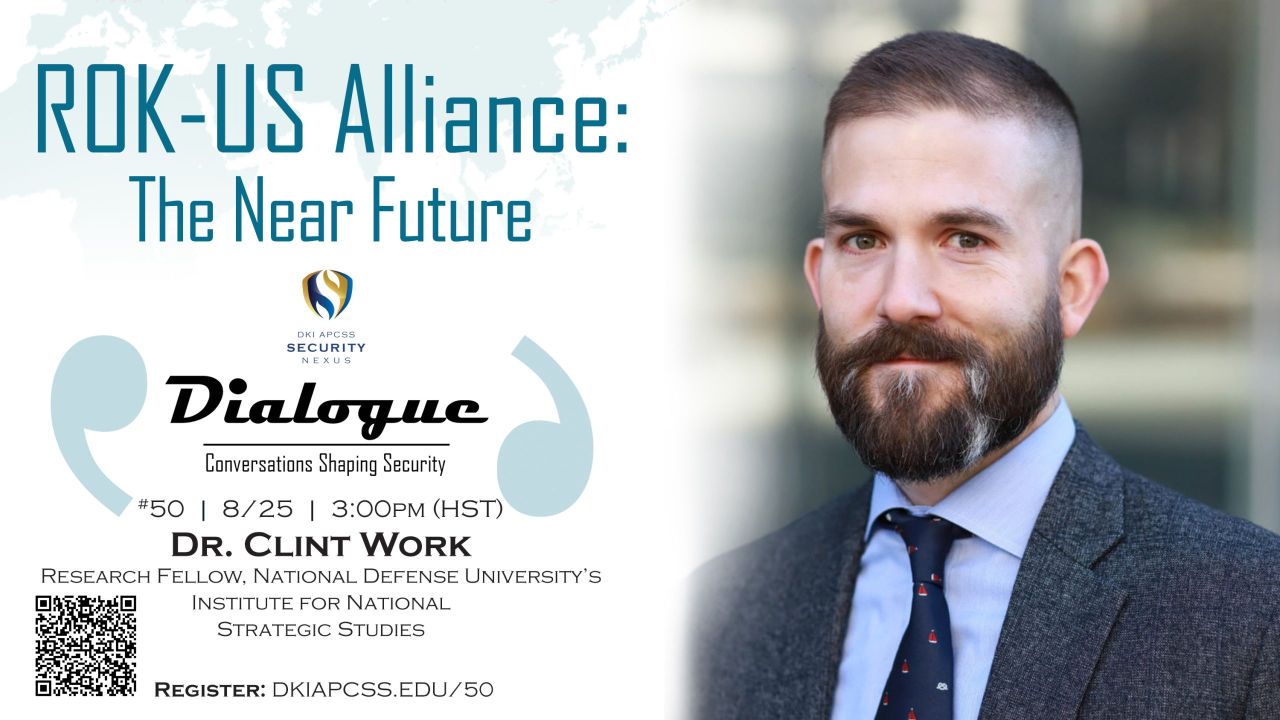
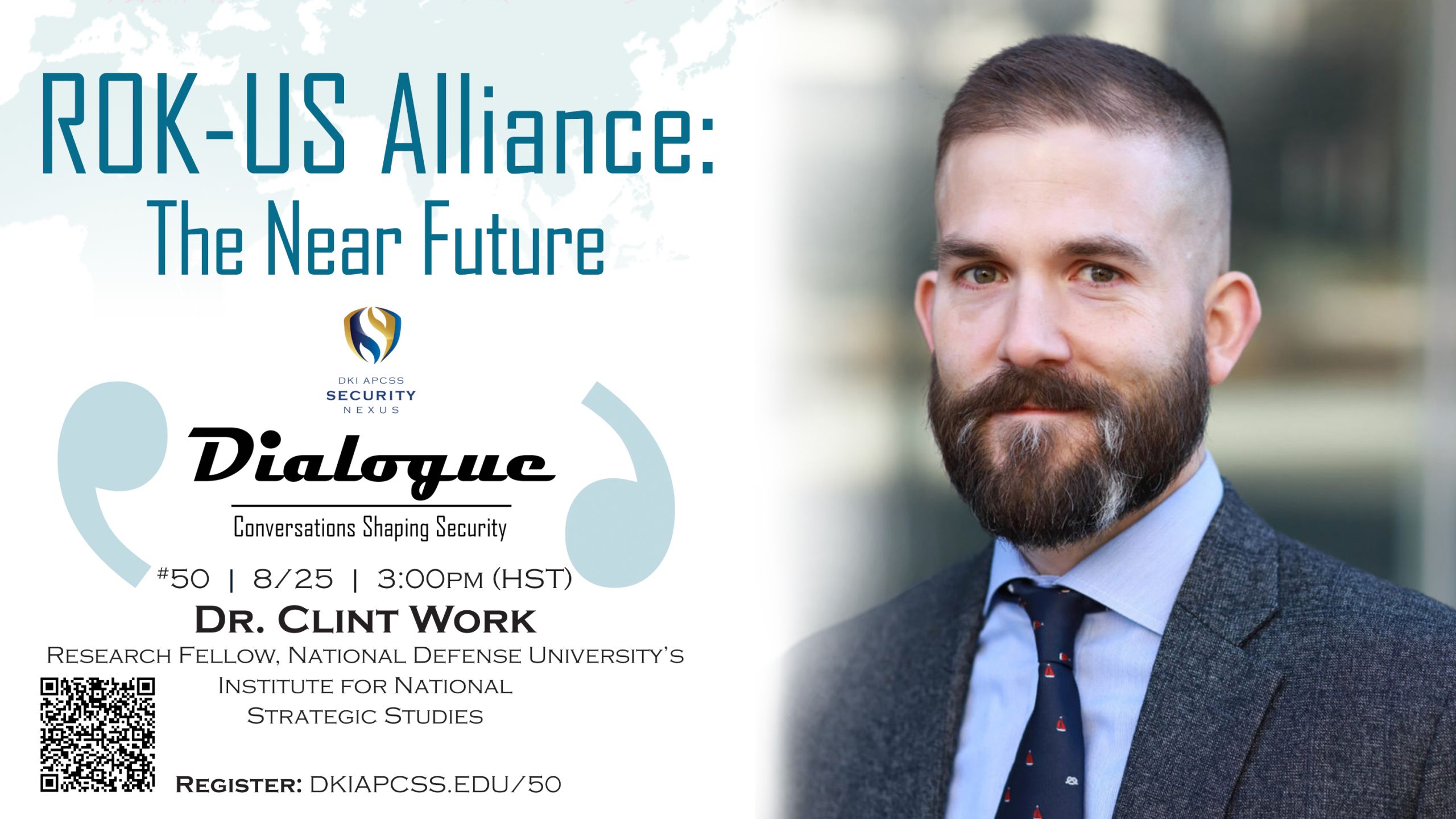
By APCSS Editor|2025-12-09T13:03:28-10:00September 2, 2025|Categories: news, Dialogue Podcast, Podcast|Tags: Indo-Pacific, Deterrence, regional security, ROK-U.S. alliance, OPCON transfer, Combined Forces Command, UNC, South Korea military, alliance modernization, nuclear debate|
Dr. Clint Work joins Dialogue Episode 50 to examine the future of the ROK-U.S. alliance, focusing on OPCON transfer, deterrence, and Seoul's role in regional security.
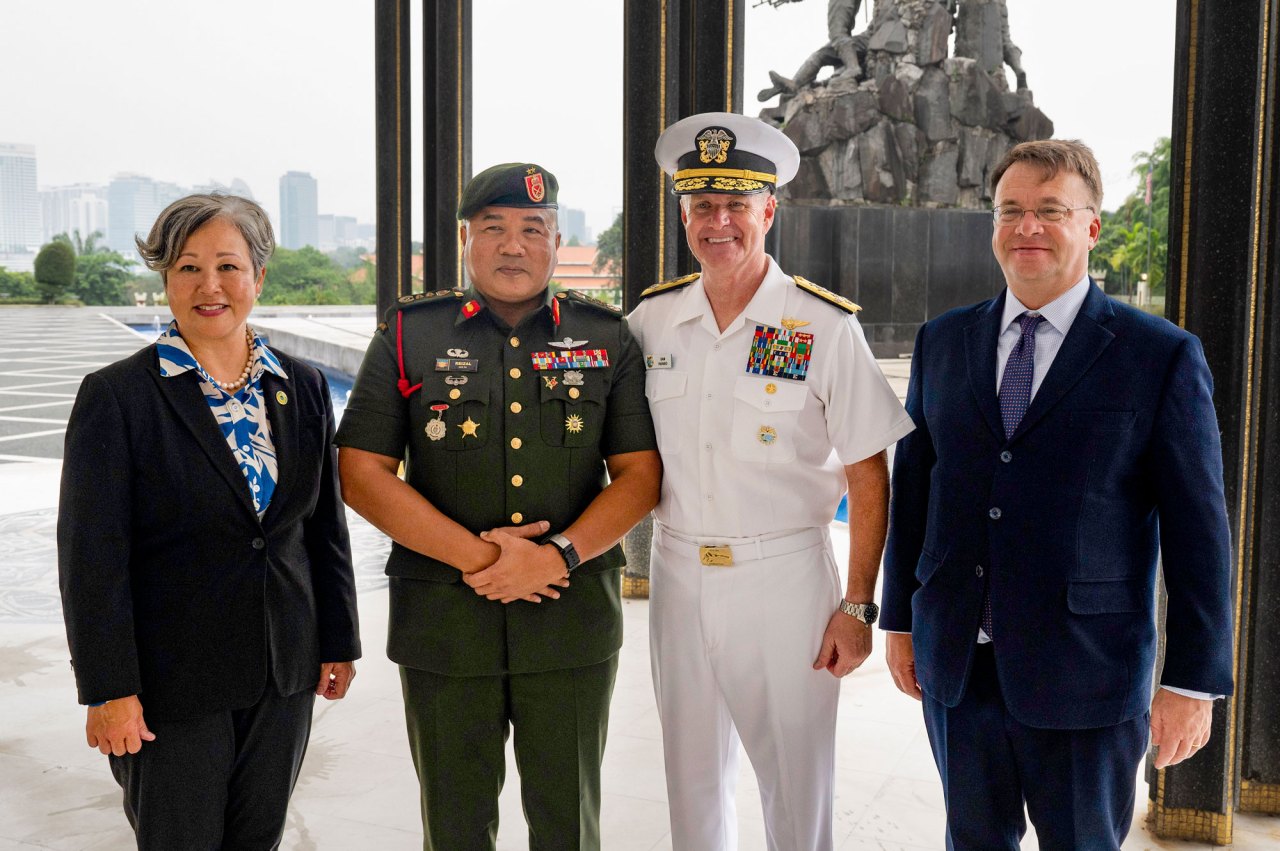
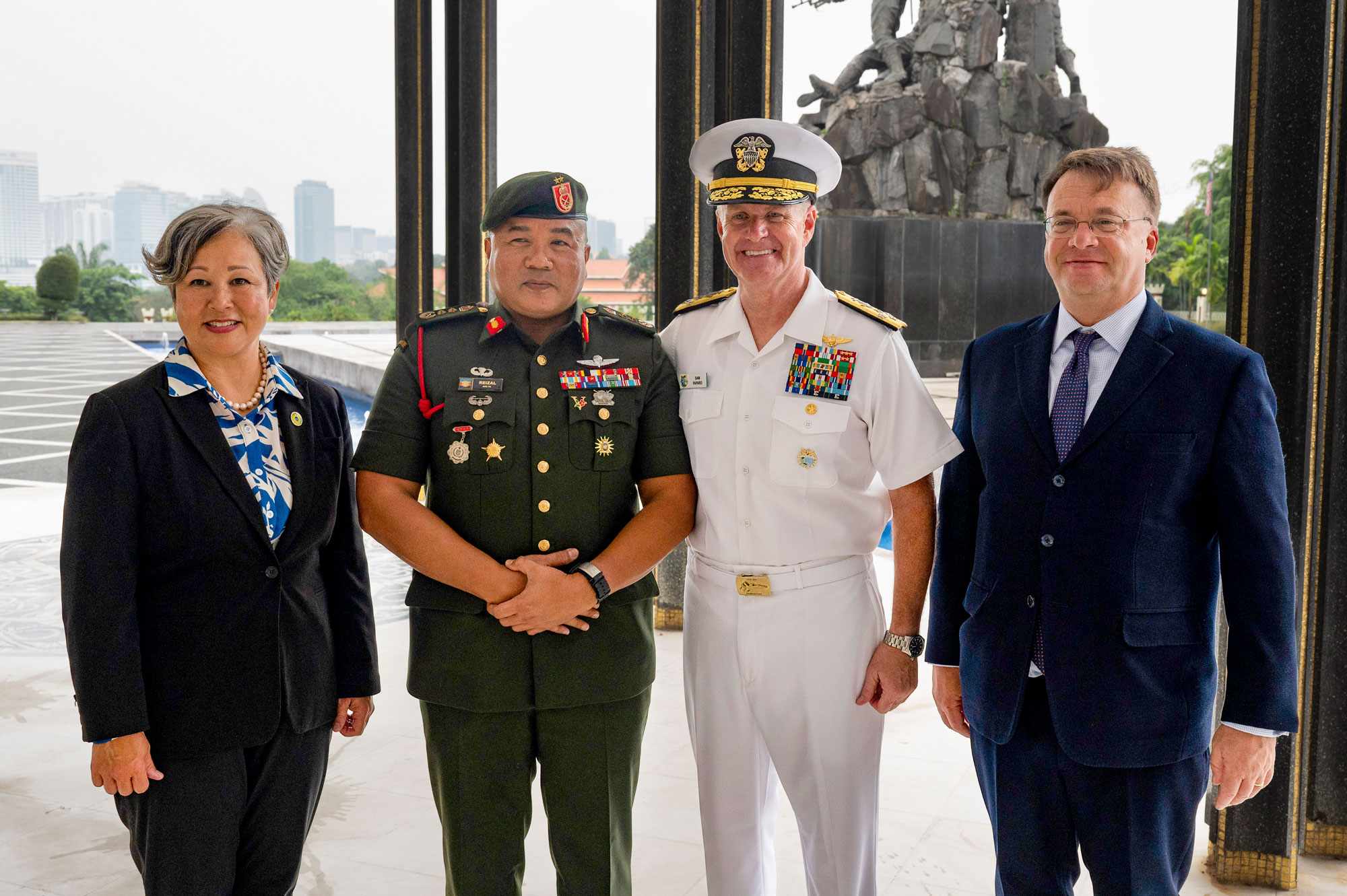
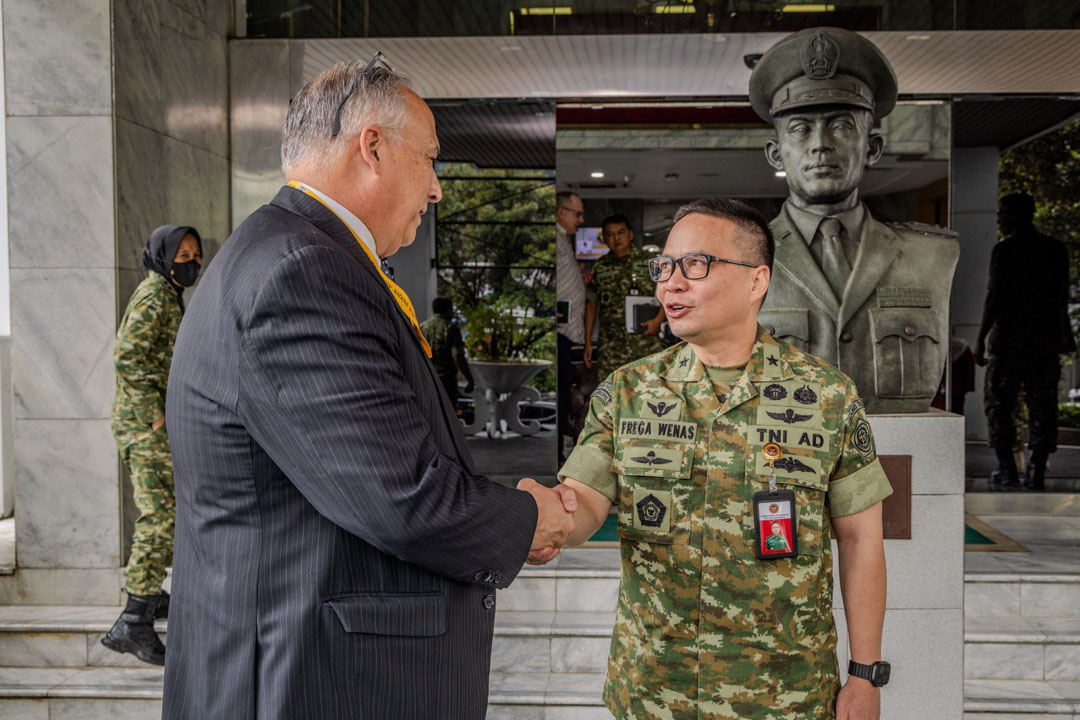
By APCSS Editor|2025-12-09T13:03:17-10:00June 18, 2025|Categories: news, Engagements|Tags: Japan, Indo-Pacific, Malaysia, DKI APCSS, regional security, Suzanne Vares-Lum, U.S. Indo-Pacific Command, Singapore, U.S.-Japan partnership, alumni network, Regional Engagement|
DKI APCSS Director Suzanne Vares-Lum completed her first Indo-Pacific trip, reinforcing U.S. partnerships in Malaysia, Singapore, and Japan through high-level meetings and regional collaboration initiatives.
By APCSS Editor|2025-12-09T13:03:17-10:00June 6, 2025|Categories: Tekwani, Security Nexus, news|Tags: pakistan, India, South Asia, regional security, co-production, supply chains, industrial deterrence, defense autonomy, military logistics, U.S. partnerships|
A new Security Nexus paper by Shyam Tekwani, titled “War in South Asia Is a Wake-Up Call: Achieving Peace Through Strength in an Age of Industrial Deterrence,” explores how a brief but intense conflict between India and Pakistan served as a powerful stress test for South Asia’s defense-industrial landscape. The paper draws on real-world capabilities and scenario-based vignettes to analyze how deterrence today is shaped not just by platforms, but by performance—supply chains, maintenance cycles, co-production, and delivery speed.
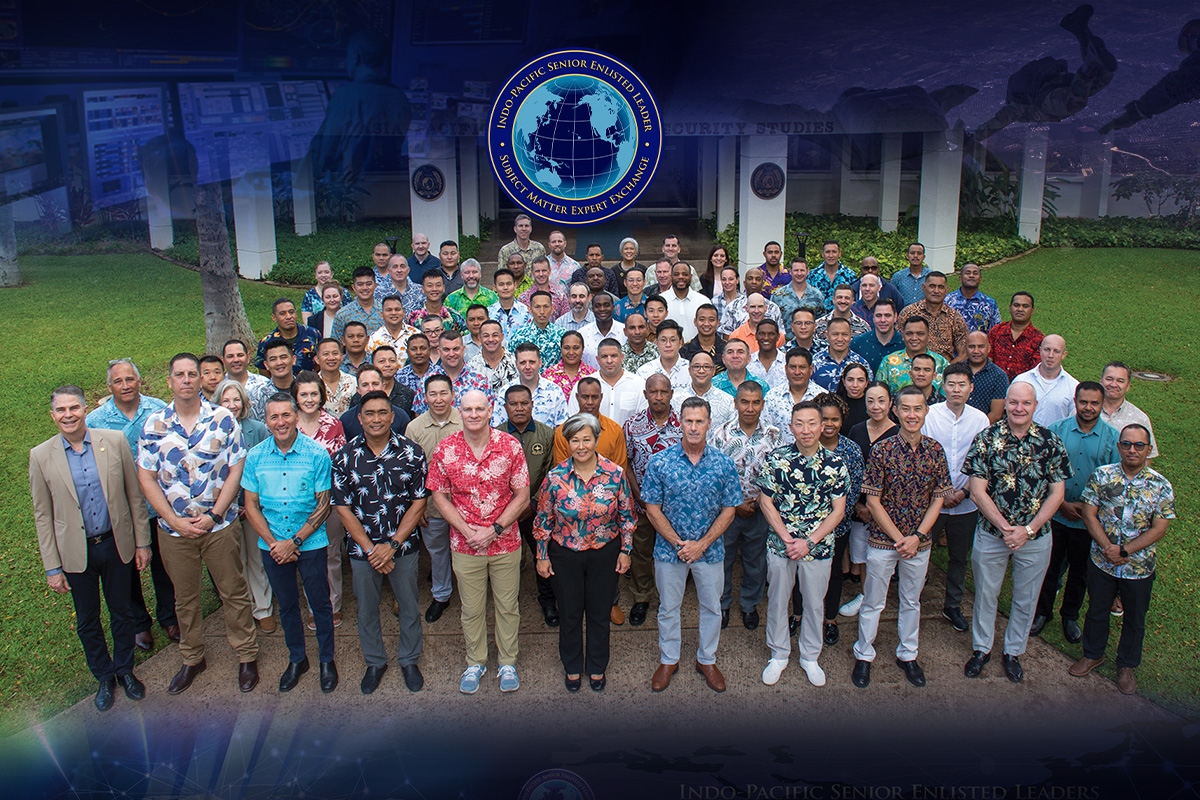
By APCSS Editor|2025-12-09T13:03:17-10:00April 25, 2025|Categories: Workshops/Events, Minnich, news|Tags: workshop, Indo-Pacific, regional security, Defense cooperation, enlisted leadership, IPSEL SMEE, military partnership, strategic leadership, USINDOPACOM, professional development, cross-cultural exchange|
Beneath the welcoming skies of Honolulu, the Daniel K. Inouye Asia-Pacific Center for Security Studies (DKI APCSS), in close collaboration with U.S. Indo-Pacific Command (USINDOPACOM), hosted a pivotal gathering from April 20–26, 2025: IPSEL SMEE 25-1. This distinguished forum brought together 80 senior enlisted leaders and their mentors, representing 22 Indo-Pacific economies and global partners. The Indo-Pacific Senior Enlisted Leaders Subject Matter Expert Exchange (IPSEL SMEE) is a unique and vital platform where the bedrock of our armed forces—senior enlisted professionals—converge to strengthen regional trust, build shared understanding of complex security challenges, and advance strategic leadership capabilities across national boundaries. In an era defined by increasingly intricate regional dynamics, these leaders serve as both steadfast operational anchors and influential strategic communicators. IPSEL SMEE empowers them with the perspectives, tools, and enduring partnerships needed to lead effectively in today’s fast-changing security environment. Throughout the week, Fleet Master Chief David Isom, the USINDOPACOM Command Senior Enlisted Leader, provided consistent mentorship and guidance.
1600 Amphitheatre Parkway New York WC1 1BA
Phone: 1.800.458.556 / 1.800.532.2112
Fax: 458 761-9562
Email: info@your-domain.com
Web: ThemeFusion