

By Douglas Carroll, DKI APCSS Public Affairs Specialist
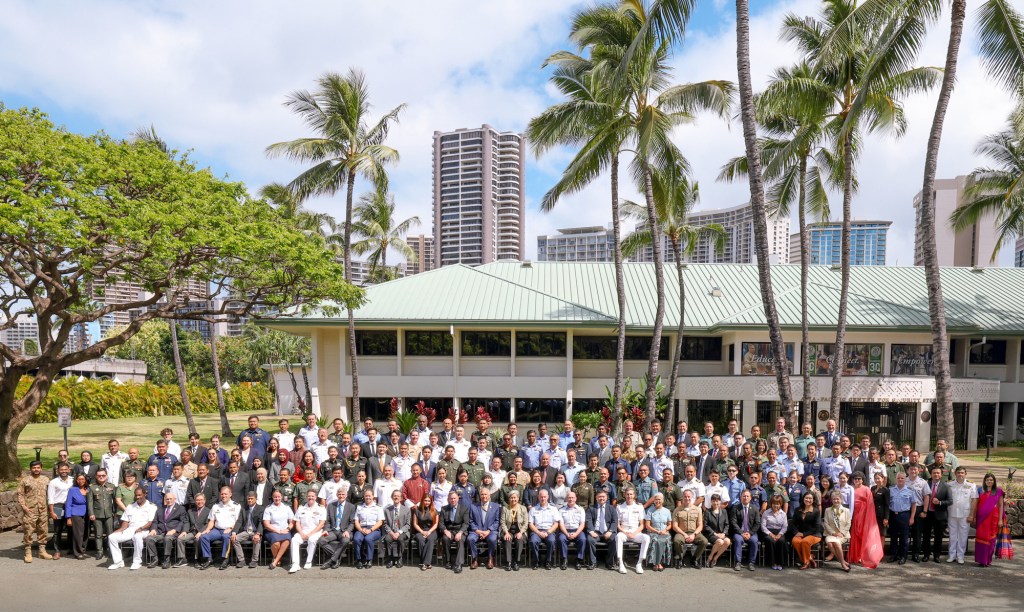
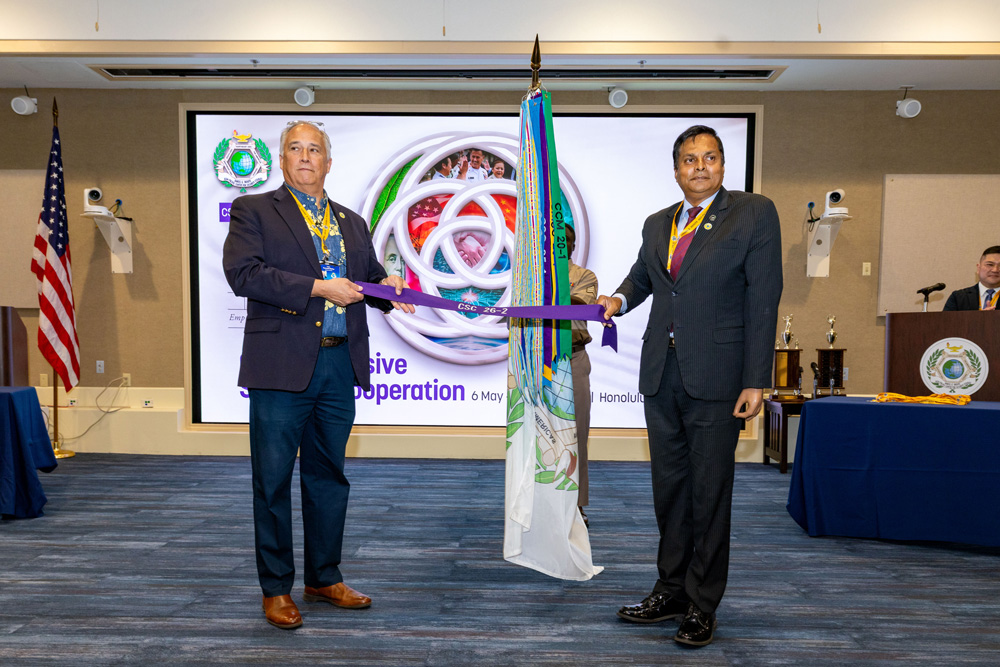
HONOLULU – This spring, 142 Fellows from 25 countries, spanning across the Indo-Pacific, converged at the friendly confines of the Daniel K. Inouye Asia Pacific Center for Security Studies (DKI APCSS) campus in Ft. DeRussy to participate in the Comprehensive Security Course (CSC) 26-2. The goal of this intensive program is to empower security professionals, strengthening their collective deterrence against both adversaries and adversity.
Yet CSC 26-2 was notable not only for its sheer numbers, but also for all that was accomplished by these Fellows attending from all corners of this region of consequence and beyond.
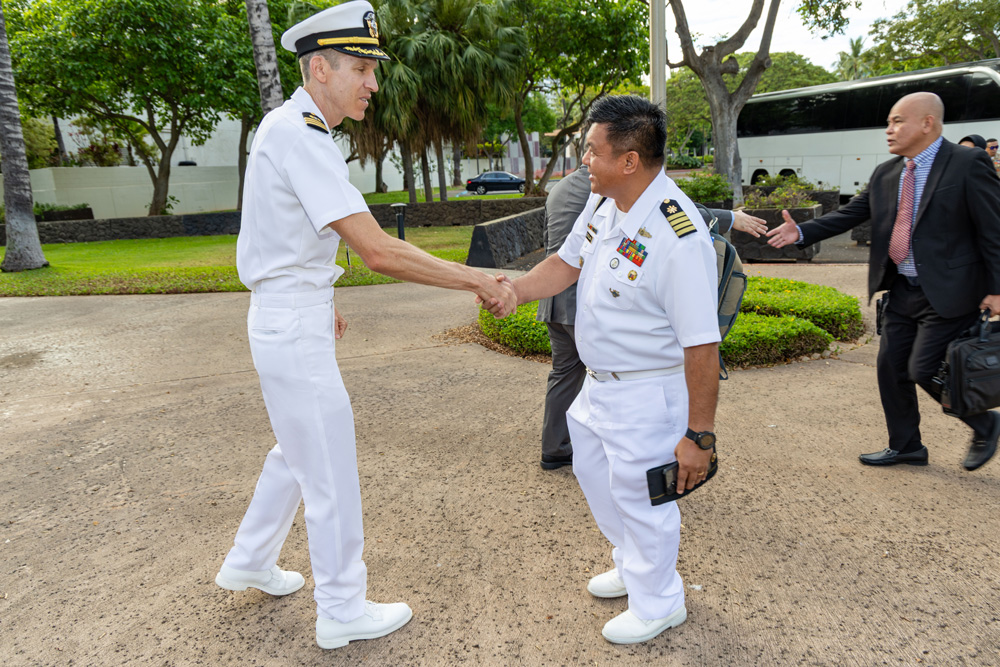
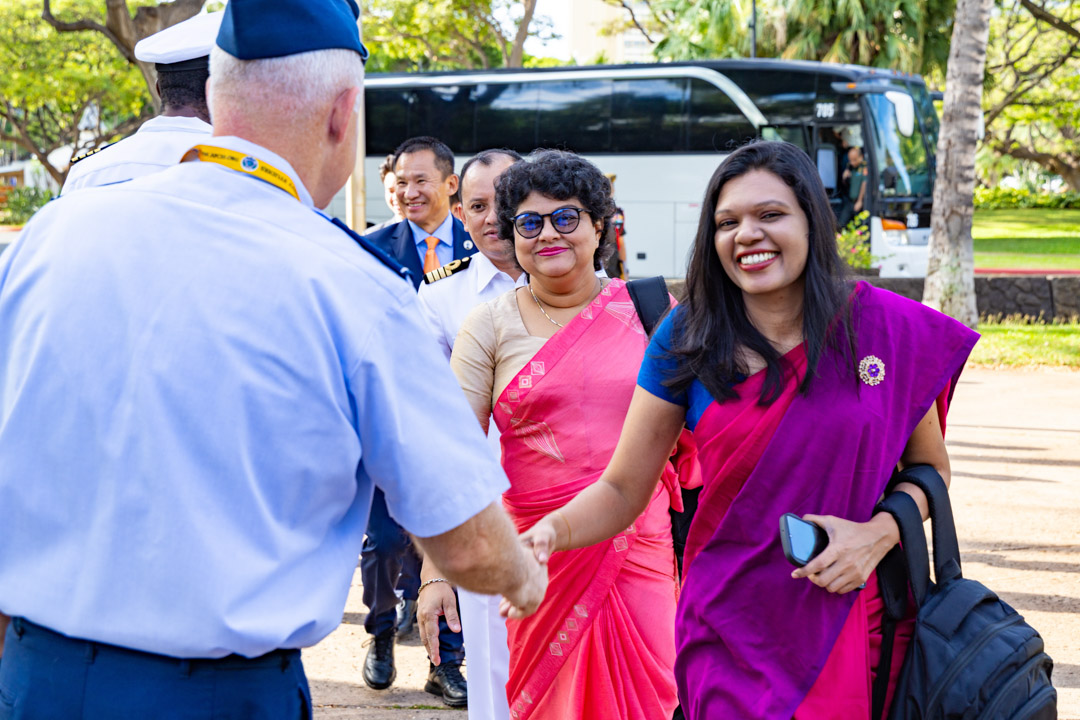
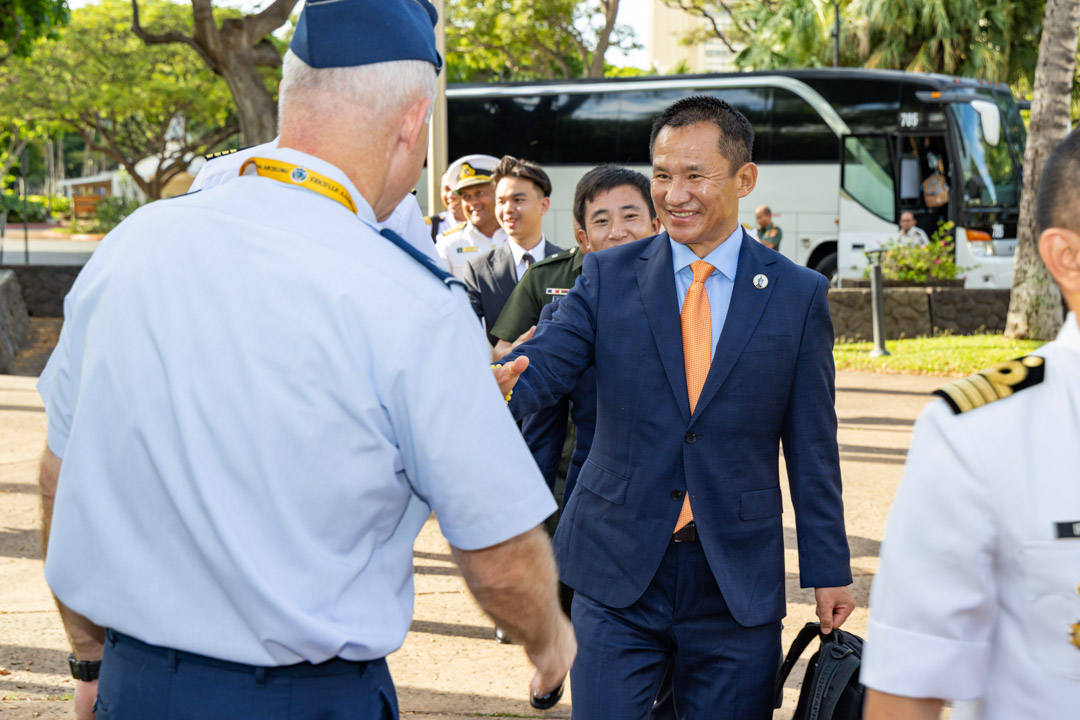
Military professor Cmdr. Liam Connel, USN, welcomes Fellows on CSC 26-2 opening day.
Military professor Cmdr. Liam Connel, USN, part of the Center’s faculty since 2022, was one of the course managers and helped coordinate and support this major undertaking. He finds the collaborative nature of solving tough problems one of the greatest aspects of the DKI APCSS experience.
“Through all the different activities and subjects covered with these Fellows, I really feel like we moved the ball down the field,” Connel said. “We achieved quite a bit in getting at the key national security objectives of the United States and our allies and partners—things like homeland defense, like deterrence, even super-charging the defense industrial base.”
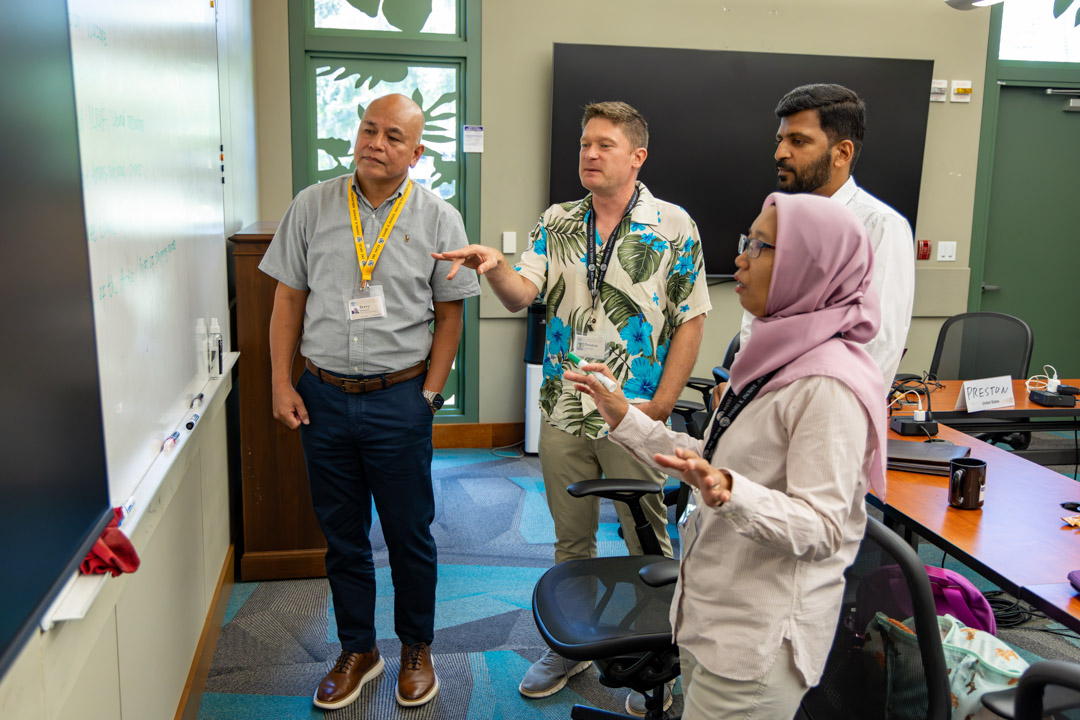
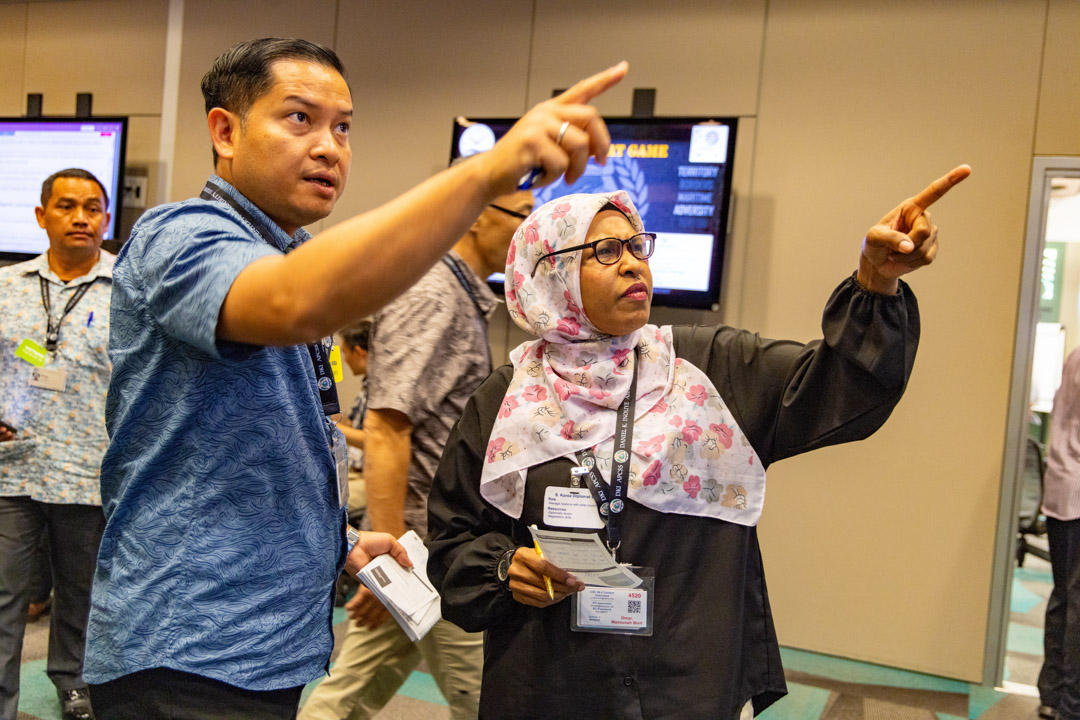
Throughout the course, participants work toward developing resilient solutions to pressing security challenges throughout the region by focusing on what can be addressed on their home shores and by their individual institutions. These solutions take the form of personal or cohort Fellow Projects, which are an integral part of DKI APCSS’s long courses. They require participants to undertake a project demonstrating their expertise by applying their acquired knowledge and skills.
“The concept of a cohort allows DKI APCSS, along with the embassies and country teams from the region, to identify some of the unique challenges and opportunities and identify the right people from that country to come to the course, tackle the problem, and solve it,” Connel said.
The Philippine Coast Guard Plots Its Course
The Philippine cohort was made up of four members from various aspects of their institution: operational, command, intelligence, and strategy. Led by flag officer Philipps Ybanez Soria, commander of the Southeastern Mindanao District, an aviator and 26-year veteran, he saw this time in Hawaii as an opportunity for the Philippine Coast Guard to chart its own strategy in navigating the modern maritime environment and threats.
“This is really a chance for the Philippine Coast Guard to create a very specific plan on what we want to achieve, how to achieve it, and what are the things that we need to identify to reach that end state,” Soria said. “It is about the totality of maritime security, touching on our core functions in our current domain.”
He felt fortunate to receive clear direction before departing for Honolulu. “Before coming to DKI APCSS, we were given clear instructions on what our purpose was and what items we need to bring along during our stay,” he said.
These instructions were given to the cohort directly from the top ranks at the national headquarters of the Philippine Coast Guard in Metro Manila. The oldest of all the Philippine armed services, they oversee disaster preparedness, humanitarian assistance, and maritime security operations, ensuring that the service fulfills its mandate to protect life, property, and the marine environment in their territorial waters. Additionally, they manage strategic planning, modernization programs, and partnerships, including their relationship with DKI APCSS, which claims more than 30 alumni among its ranks.
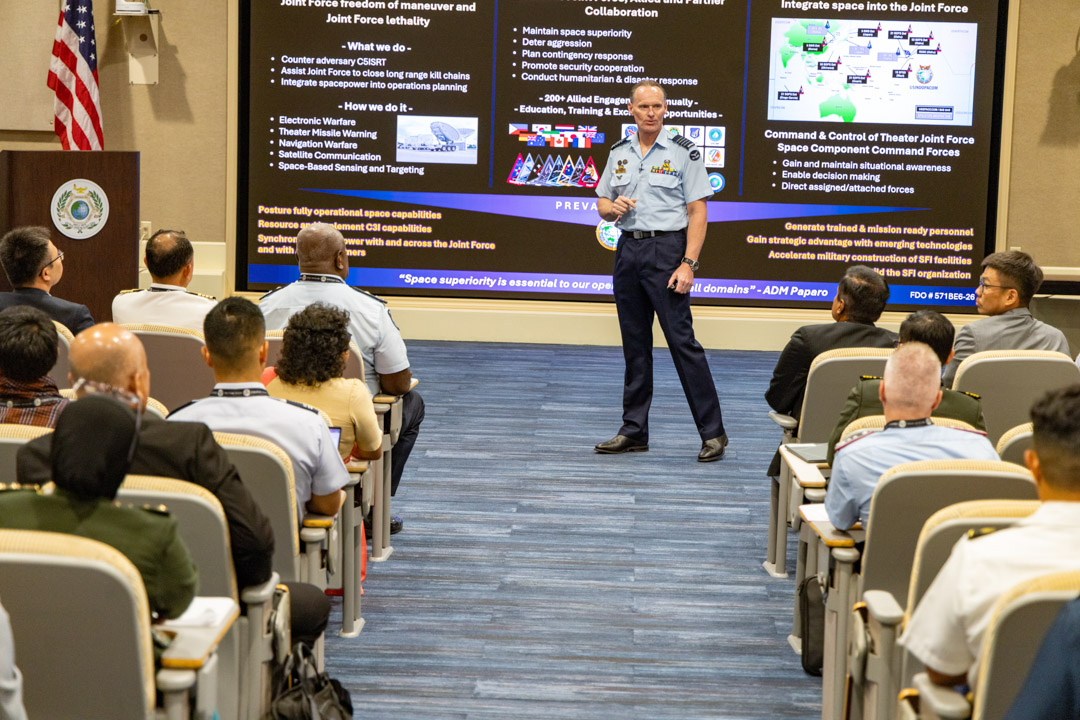
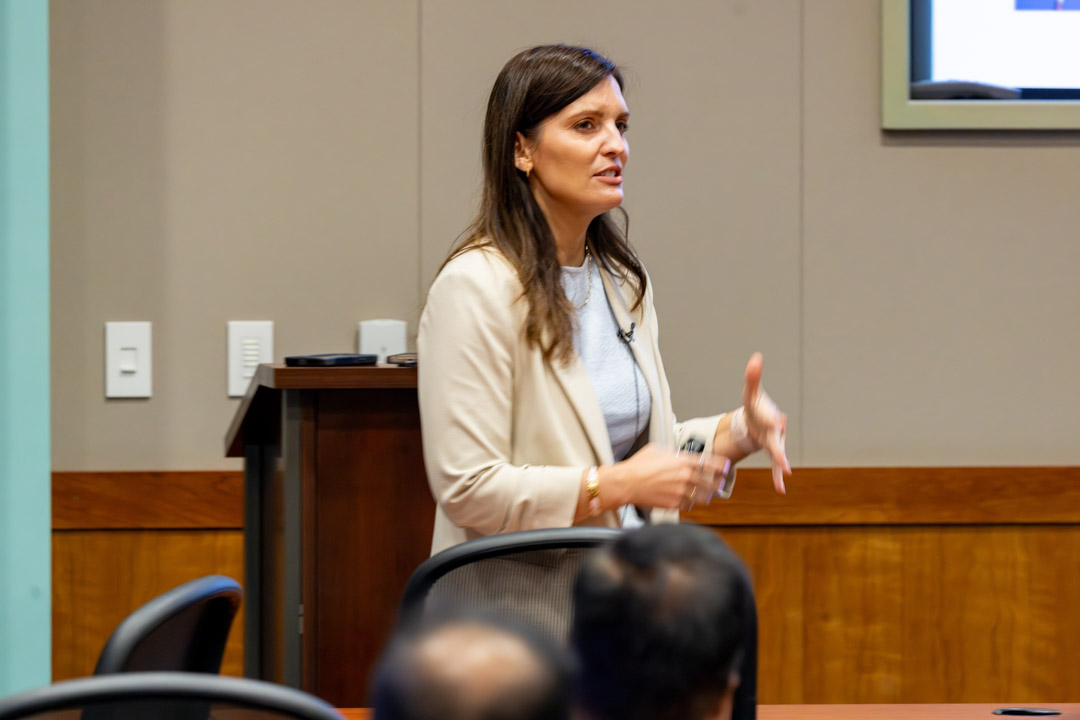
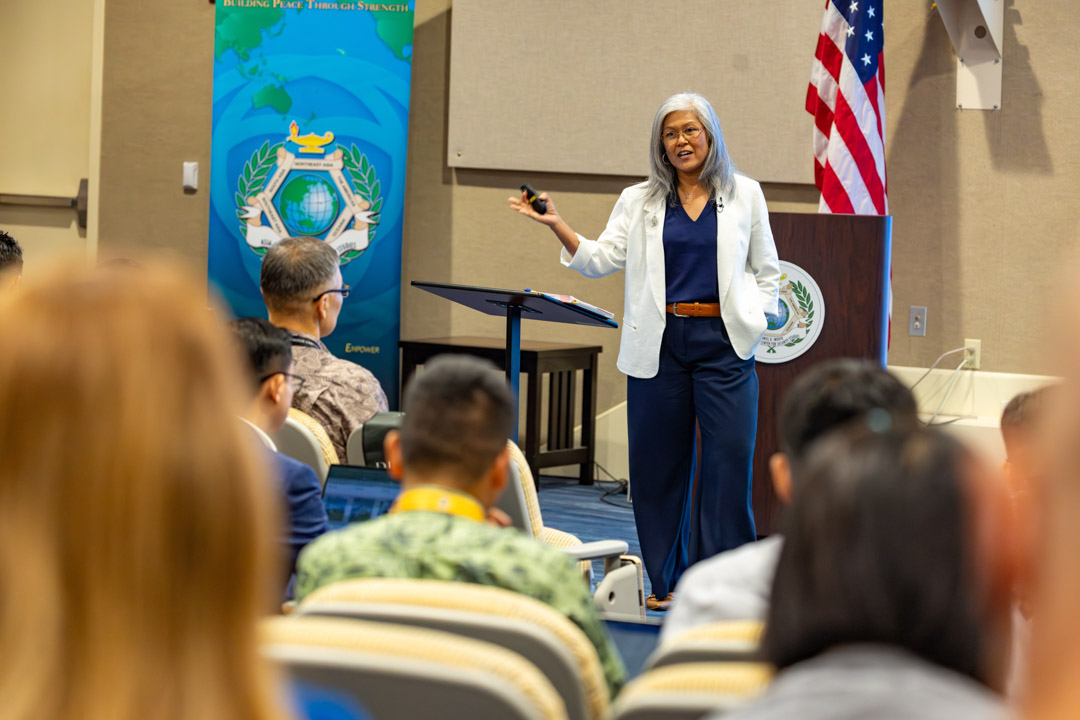
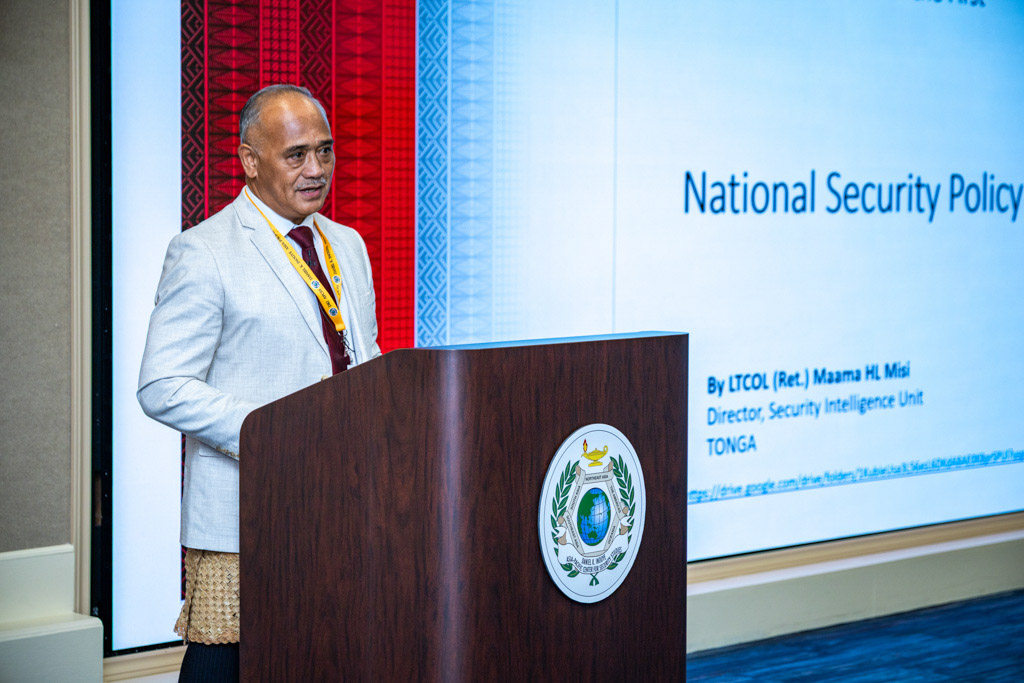
Guest Speakers
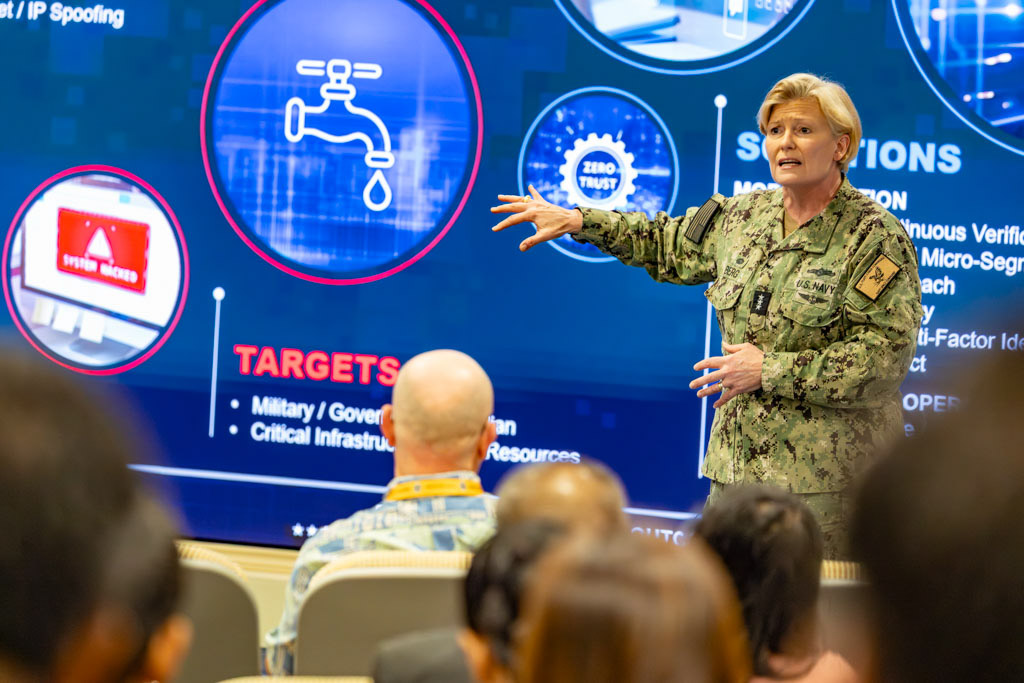
VADM Heidi Berg, Commander, U.S. Fleet Cyber Command Navy Space Command
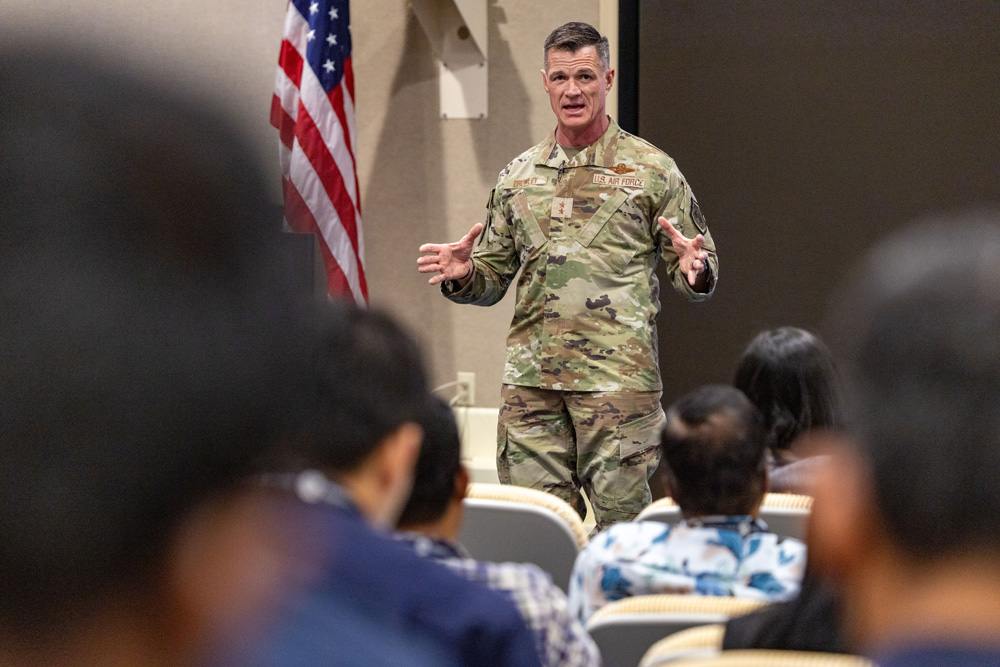
Major General Michael Drowley, CoS, USINDOPACOM
In February 2026, a team of faculty and staff from the Center traveled to Manila to reconnect with alumni, participate in a workshop, and meet with the commandant of the Philippine Coast Guard, Adm. Ronnie Gil Gavan. There they began preparations for the cohort that was to attend CSC 26-2 and their project, a draft outline for the Philippine Coast Guard National Strategy. Two U.S. Coast Guard military professors from DKI APCSS helped in these efforts. Capt. Thomas D’Arcy acted as an advisor.
“They are seeing that their national security concerns in the West Philippine Sea have a greater regional impact and connection to global issues,” D’Arcy said. “By going to Manila, it allowed us to really shape the expectations of what is achievable in advancing their security priorities.”
Capt. D’Arcy was also integral in guiding the cohort’s deliberations during their time at the Center. A cutterman with 28 years of service, his travels sailing from the Atlantic to the Arctic and the South Pacific have brought him to ports around the globe. He has worked in the USEUCOM Strategy Division and in the Coast Guard Oceania District, where he helped develop operation orders to guide that district’s approach to the region. These experiences and his visionary approach acted as a compass in crafting the cohort’s work.
As a Coast Guard professor at DKI APCSS, he sees both his role and the Center’s mission as unique.
“It’s not about being at the tactical level, or necessarily even at the operational level,” D’Arcy reflected. “Our coursework allows for students to understand the Indo-Pacific at large.
“They see how their country and their country’s challenges fit into the bigger picture. It helps them go back home with a better strategic mindset.”
Sri Lanka Takes Aim at Narcotics Trade and Better Disaster Response
On Nov. 28, 2025, Cyclone Ditwah made landfall on the shores of Sri Lanka.
The storm brought torrential rainfall exceeding 300 mm in 24 to 48 hours, triggering catastrophic flooding and landslides across the island.
Since the storm, death tolls have risen to more than 400 confirmed dead or missing in some reports, with President Anura Kumara Dissanayake calling it the “largest and most challenging natural disaster in our history.”
In the weeks that followed, national assessments discovered that much of the destruction, and especially the high number of casualties, may have been avoided with better means of communication. It was decided that something needed to be done to avoid such calamity in the future.
Of the dozen Fellows from Sri Lanka who attended CSC 26-2—the largest contingent to ever attend a course at the Center—very few were left unaffected by the cyclone and its aftermath. Planned out before their arrival, they divided themselves into two cohorts to tackle two different issues plaguing their strategically placed island nation. One group was to address integrated disaster response and readiness, while the other looked at ways to combat a wholly man-made scourge: international drug smuggling.
Both cohorts were made up of distinguished individuals from across the spectrum of Sri Lankan military and government. Halpandeni Hawage Nirosha Pruyangani Hewarathna—Priya, for short—the senior assistant secretary for the minister of defence and an attorney who specializes in both internal corruption and human trafficking, was grateful to be working on issues of such importance for national security.
“The first floor of my house was fully flooded. I evacuated but only had time to leave with what I could carry by hand,” Priya said, reflecting on the traumatic event. “We were successful in evacuating large numbers of people, but there were lapses, and social media was full of disinformation and misinformation. That’s what we need to address.”
In addition to the dispersion of accurate information, physical lines of communication were literally severed by the floods and landslides. Compounding this, there was a lack of coordination between law enforcement and the military. All of these setbacks and their solutions were considered by the cohort.
“Of our two cohort topics, one is focusing on the national level, the other a regional level,” Priya said. “While we are doing something important for ourselves, we also need to do something for the world.”
These cohorts all undertook very weighty subjects, yet she also pointed out that the support from the faculty on these projects was special. The opportunities for interactions with the Center’s experts and the Fellows from other countries gave them a broader understanding and reinforced their endeavors in making the Indo-Pacific more secure and prosperous.
“The CSC is a good opportunity for us to share information and strategies,” she said. “We have limited resources. We cannot do this alone. We have to have collective efforts.”
This five-week, in-residence executive program is offered twice a year to mid-level military, government, and non-government professionals in the security sphere. It is the Center’s flagship offering, and this iteration was the largest class in its storied, 30-year history.




Leave A Comment