
Deterring Gray-Zone Warfare

By |2026-05-12T09:22:28-10:00May 10, 2026|Categories: Mullins, Edge|Tags: , , , |

Gray-zone warfare has become a central feature of strategic competition in the Indo-Pacific, enabling adversaries to erode deterrence through coercive actions below the threshold of armed conflict. The chapter argues that restoring deterrence requires clear differentiation between actions that can be deterred and those that must be managed, combined with stronger whole-of-government coordination, allied integration, calibrated risk acceptance, targeted costs for perpetrators, and resilience that complements credible punishment and denial.

Architecture of Denial

By |2026-05-11T10:37:42-10:00May 10, 2026|Categories: Malji, Edge|Tags: , |

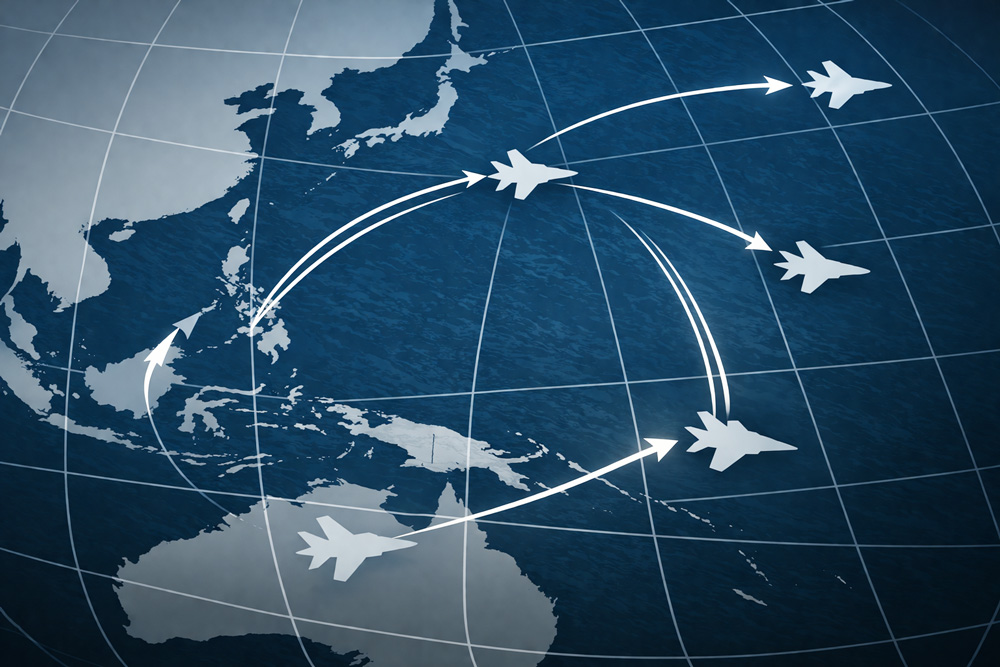
Deterrence in the Indo-Pacific must be deliberately constructed through an architecture of denial that integrates military power, alliance networks, force posture, and statecraft into a coherent system. Sustained advantage, the chapter argues, depends not on declaratory policy alone, but on the structured integration of conventional and nuclear forces, cyber and space resilience, distributed basing, resilient logistics, and coordinated diplomatic, economic, and technological power across domains and geography.

Deterrence Under Pressure in the Indo-Pacific

By |2026-05-10T17:01:41-10:00May 10, 2026|Categories: Malji, Edge|Tags: , |

Deterrence has emerged as the organizing principle of U.S. statecraft in a competitive multipolar Indo-Pacific, shaping how the United States prevents coercion, manages escalation, and sustains regional stability. Effective deterrence, the chapter argues, depends on the integration of credible capability, strategic communication, resilient partnerships, disciplined escalation management, and continuous adaptation across military and nonmilitary domains.

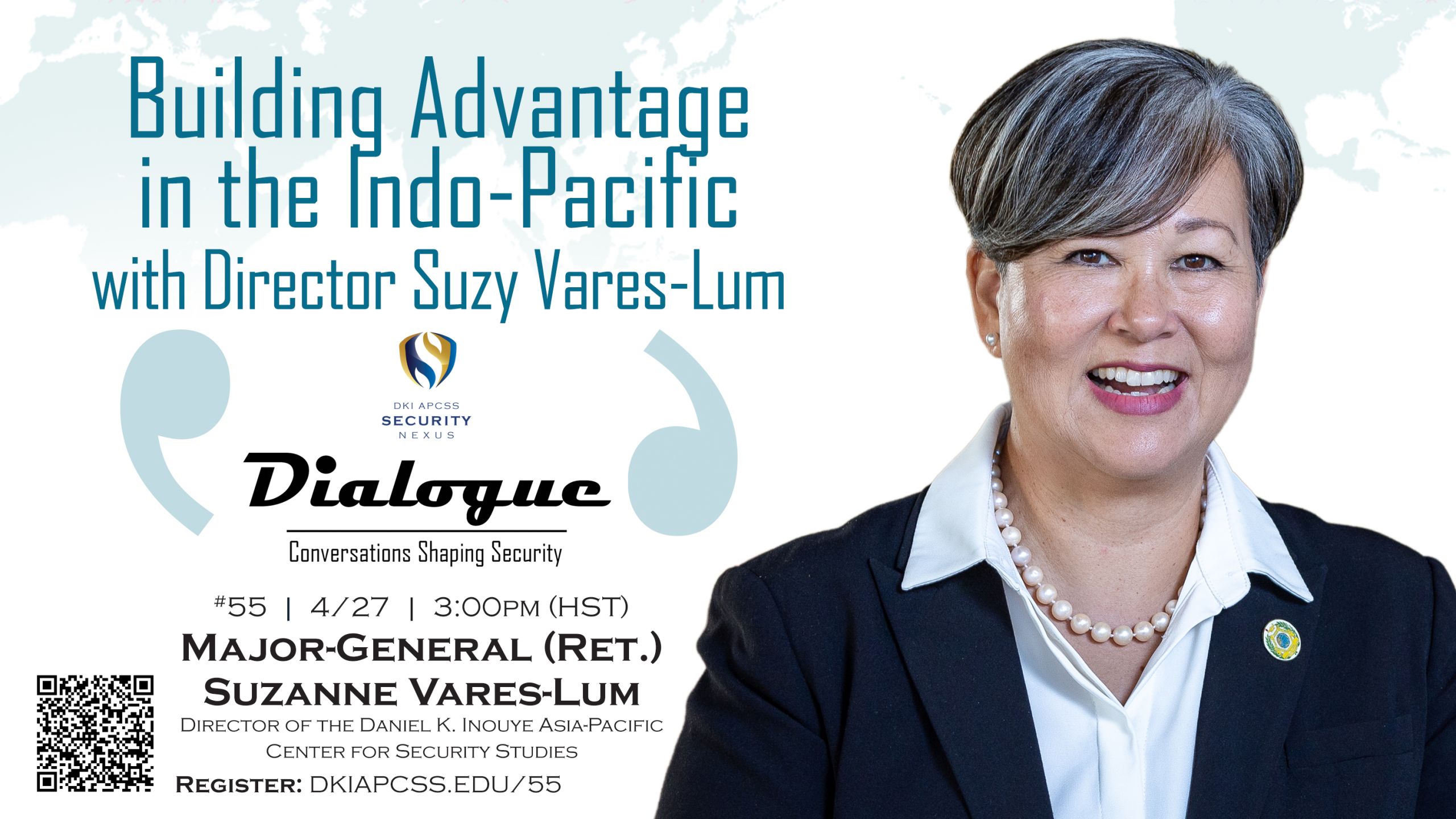
Dialogue | Episode 55: Building Advantage in the Indo-Pacific – From Dialogue to Outcomes

By |2026-04-29T14:07:51-10:00April 29, 2026|Categories: news, Dialogue Podcast, Podcast|Tags: , , |

The Indo-Pacific is not short on dialogue. Across the region, coordination is constant—through conferences, working groups, bilateral engagements, and multilateral forums. Yet a harder question persists: Why do aligned partners still struggle to act in concert when it matters most?

2025 DKI APCSS Alumni Awards: Recognizing Excellence in Indo-Pacific Security

By |2026-04-24T15:05:30-10:00April 24, 2026|Categories: Alumni, news|Tags: , , , , , , , , , |

The Daniel K. Inouye Asia-Pacific Center for Security Studies announces the 2025 Alumni Awards, honoring leaders in cybersecurity, NCO professionalization, and civil-military cooperation who advance Indo-Pacific security and collaboration.

Security Nexus Perspective: The Sovereignty Illusion of Refusing Access, Basing, and Overflight

By |2026-04-10T15:20:10-10:00April 10, 2026|Categories: Canyon, Security Nexus, news|Tags: , , , , , , , , , |

Dr. Deon Canyon, associate dean of academics and professor at the Daniel K. Inouye Asia-Pacific Center for Security Studies, examines the long-term effects of refusing Access, Basing, and Overflight (ABO) agreements in a new Security Nexus Perspective.

Security Nexus Perspective: Looking Beyond the Region – Understanding Indo-Pacific Dynamics Through Latin America and the Caribbean

By |2026-03-31T15:22:25-10:00March 31, 2026|Categories: Security Nexus, news, Malji|Tags: , , , , , , , , , |

In her latest Security Nexus Perspective, DKI APCSS Professor Andrea Malji explores how China's growing influence in Latin America and the Caribbean impacts Indo-Pacific dynamics. By leveraging economic investments, infrastructure projects, and diplomatic engagement, China is expanding its global reach, reshaping supply chains, and influencing geopolitical alignments. This paper highlights the interconnectedness of these regions and emphasizes the need for comprehensive strategies to counter China's global strategy and safeguard U.S. interests.

Security Nexus Perspective: Strategic Deterrence in the Indo-Pacific – A Framework for Bolstering Civil-Military Readiness in Northern Australia

By |2026-03-31T13:59:54-10:00March 31, 2026|Categories: Security Nexus, news, Canyon|Tags: , , , , , , , , , |

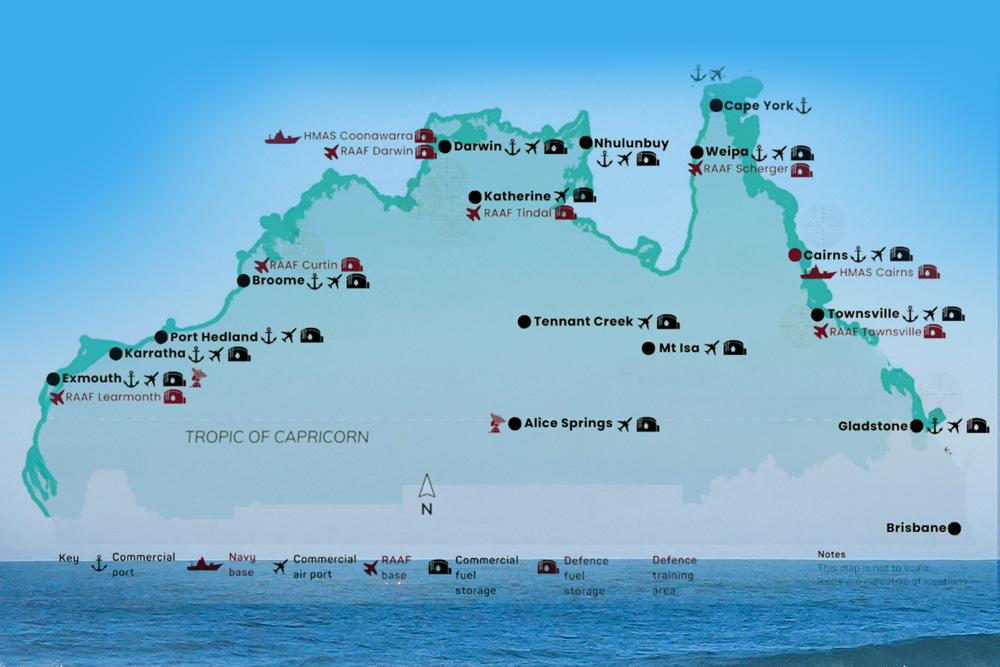
In their latest Security Nexus Perspective, Benjamin Ryan, Deon Canyon, Raelene Lockhorst, and Len Notaras present a comprehensive framework for strengthening civil-military resilience in Northern Australia to address the Indo-Pacific's most challenging strategic environment since World War II. The paper highlights the critical role of Northern Australia as a medical and logistical hub for U.S. and allied forces, emphasizing the need for integrated civil-military preparedness, increased health system capacity, and CBRNE readiness. This framework offers actionable strategies to bolster deterrence and readiness in the face of growing regional tensions.

Security Nexus Perspective: The Potato Logic of Power – How Efficiency Forges Strategic Vulnerability

By |2026-03-24T11:36:11-10:00March 24, 2026|Categories: Tekwani, Security Nexus, news|Tags: , , , , , , , , , |

Shyam Tekwani draws a compelling parallel between Europe's nineteenth-century potato dependency and the Indo-Pacific's growing reliance on critical minerals in his latest Security Nexus Perspective, "The Potato Logic of Power."

Security Nexus Perspective – The Sovereignty Calculus: An Access, Basing, and Overflight Decision Framework for Hedging States

By |2026-03-12T16:04:46-10:00March 12, 2026|Categories: Security Nexus, news, Canyon|Tags: , , , , , , , , , |

Dr. Deon Canyon presents a detailed framework for evaluating sovereignty costs in Access, Basing, and Overflight (ABO) agreements in his latest Security Nexus Perspective.

Go to Top