
Afterword

By |2026-05-11T13:36:59-10:00May 11, 2026|Categories: Feller, Edge|Tags: , , , , , , , , , |

The central ethical risk of military AI is not machine autonomy but human abdication: the tendency to treat algorithmic speed, confidence scores, and procedural validation as insulation from responsibility in war. Examining autonomy, remote warfare, cyber operations, and biotechnology, the chapter argues that preserving the warrior ethos in machine-age warfare requires leaders to retain the burden of command while building accountability, epistemic competence, and structural safeguards that keep responsibility inseparable from authority.
Preface

By |2026-05-11T13:17:39-10:00May 11, 2026|Categories: Edge|Tags: , , , , , , , , , , |

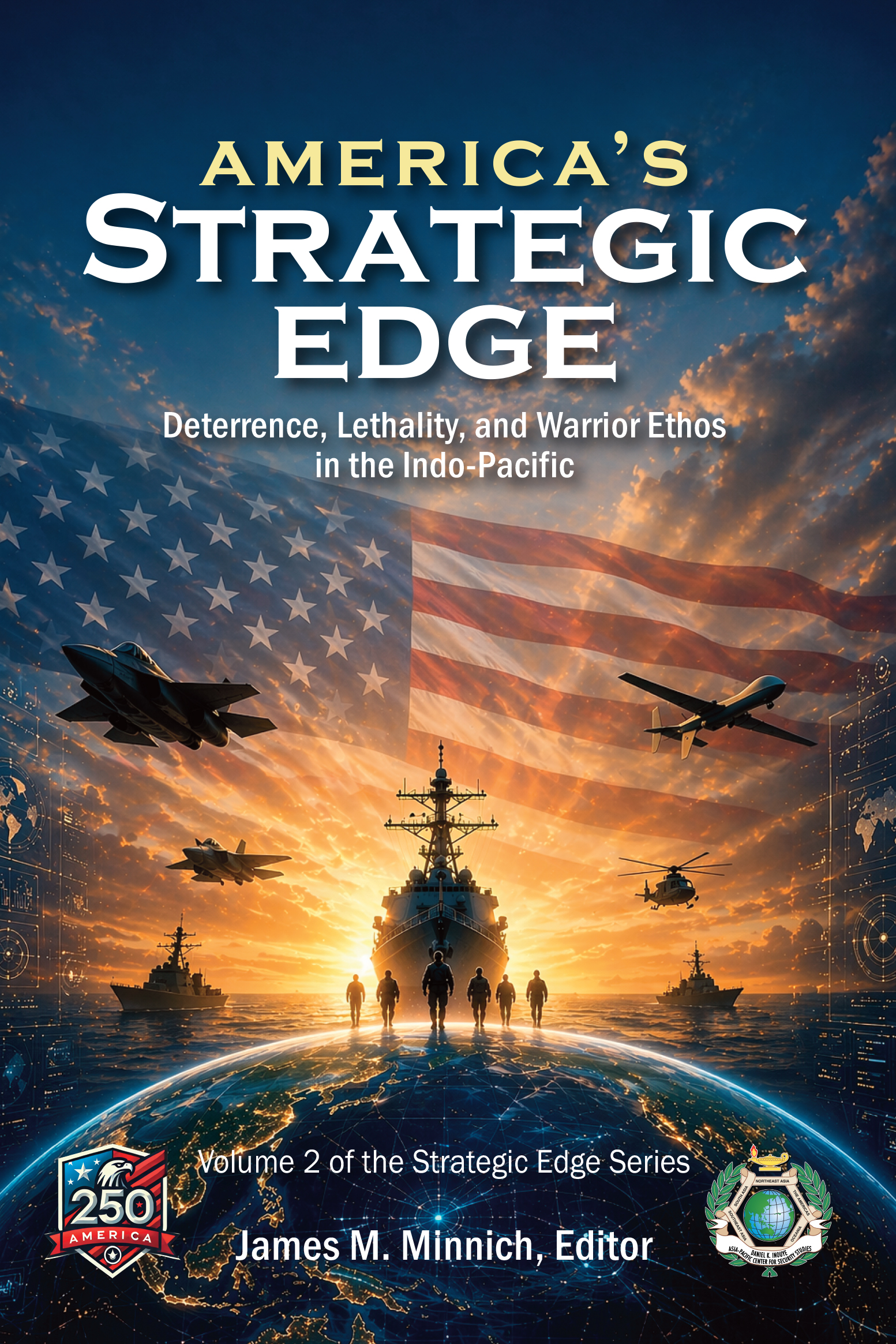
The Indo-Pacific security architecture is undergoing its most significant transformation since the end of the Second World War. As the United States and its partners navigate this era of competitive multipolarity, the requirement for rigorous strategic assessment of military and national power has never been greater. America’s Strategic Edge: Deterrence, Lethality, and Warrior Ethos in the Indo-Pacific seeks to provide that assessment by examining the interconnected pillars that sustain America’s strategic edge and regional stability.

Foreword

By |2026-05-11T13:14:59-10:00May 11, 2026|Categories: Edge|Tags: , , , , , , , , , |

The Indo-Pacific is the gravitational center of global security in the twenty-first century. Home to the world’s most dynamic economies and vital sea lanes, it is also a landscape defined by rapid military modernization, contested domains, and intensifying competition. Preserving peace depends not only on credible military advantage, but on disciplined leadership and ironclad partnerships that uphold regional stability.

Responsibility in Machine-Age Warfare

By |2026-05-12T10:17:30-10:00May 11, 2026|Categories: Feller, Edge|Tags: , , , , , , , , , |

The central ethical risk of military AI is not machine autonomy but human abdication: the tendency to treat algorithmic speed, confidence scores, and procedural validation as insulation from responsibility in war. Examining autonomy, remote warfare, cyber operations, and biotechnology, the chapter argues that preserving the warrior ethos in machine-age warfare requires leaders to retain the burden of command while building accountability, epistemic competence, and structural safeguards that keep responsibility inseparable from authority.

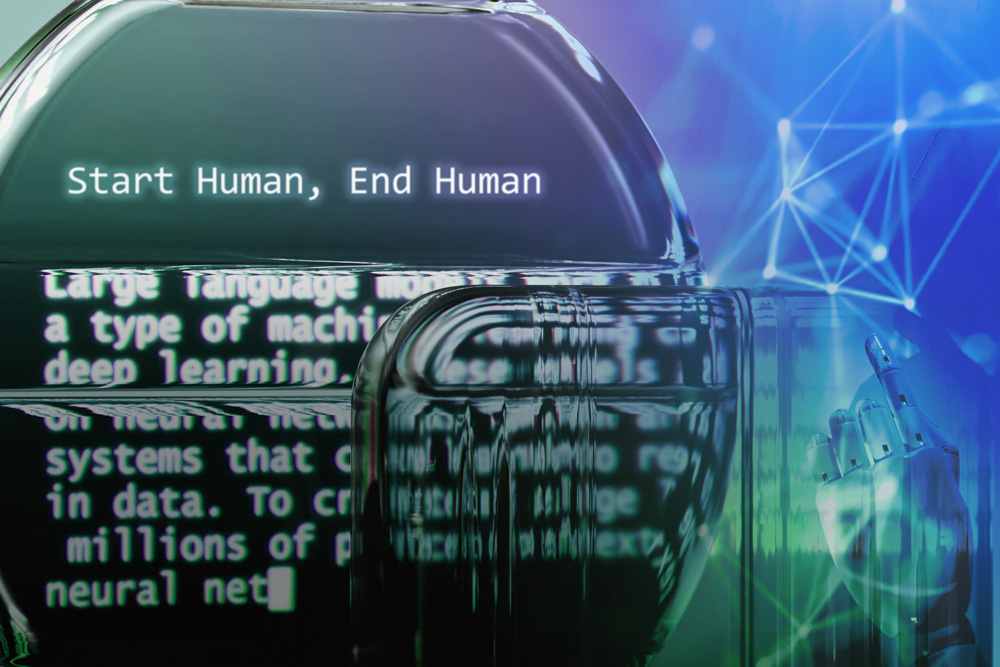
Enhancing Decision-Making with AI: Start Human, End Human

By |2025-12-12T16:01:58-10:00December 15, 2025|Categories: Security Nexus, Moyer, news|Tags: , , , , , , , , , |

A new Security Nexus Perspective by Dr. Elizabeth Vaughan Moyer examines the strategic application of large language models in Indo-Pacific security operations while addressing technology competition and sovereignty concerns. Moyer, a DKI APCSS fellow and major in the U.S. Air Force, tackles the urgent challenge facing security professionals: leveraging artificial intelligence for enhanced decision-making without compromising critical thinking or accountability. The analysis emphasizes a key argument: organizations that embrace experimentation with imperfect technology will gain significant advantages over those waiting for ideal solutions.

New Courses

Contact Info

1600 Amphitheatre Parkway New York WC1 1BA

Phone: 1.800.458.556 / 1.800.532.2112

Fax: 458 761-9562

Web: ThemeFusion

Recent Posts

Go to Top