
Afterword

By |2026-05-11T13:36:59-10:00May 11, 2026|Categories: Edge, Feller|Tags: , , , , , , , , , |

The central ethical risk of military AI is not machine autonomy but human abdication: the tendency to treat algorithmic speed, confidence scores, and procedural validation as insulation from responsibility in war. Examining autonomy, remote warfare, cyber operations, and biotechnology, the chapter argues that preserving the warrior ethos in machine-age warfare requires leaders to retain the burden of command while building accountability, epistemic competence, and structural safeguards that keep responsibility inseparable from authority.

Preface

By |2026-05-11T13:17:39-10:00May 11, 2026|Categories: Edge|Tags: , , , , , , , , , , |

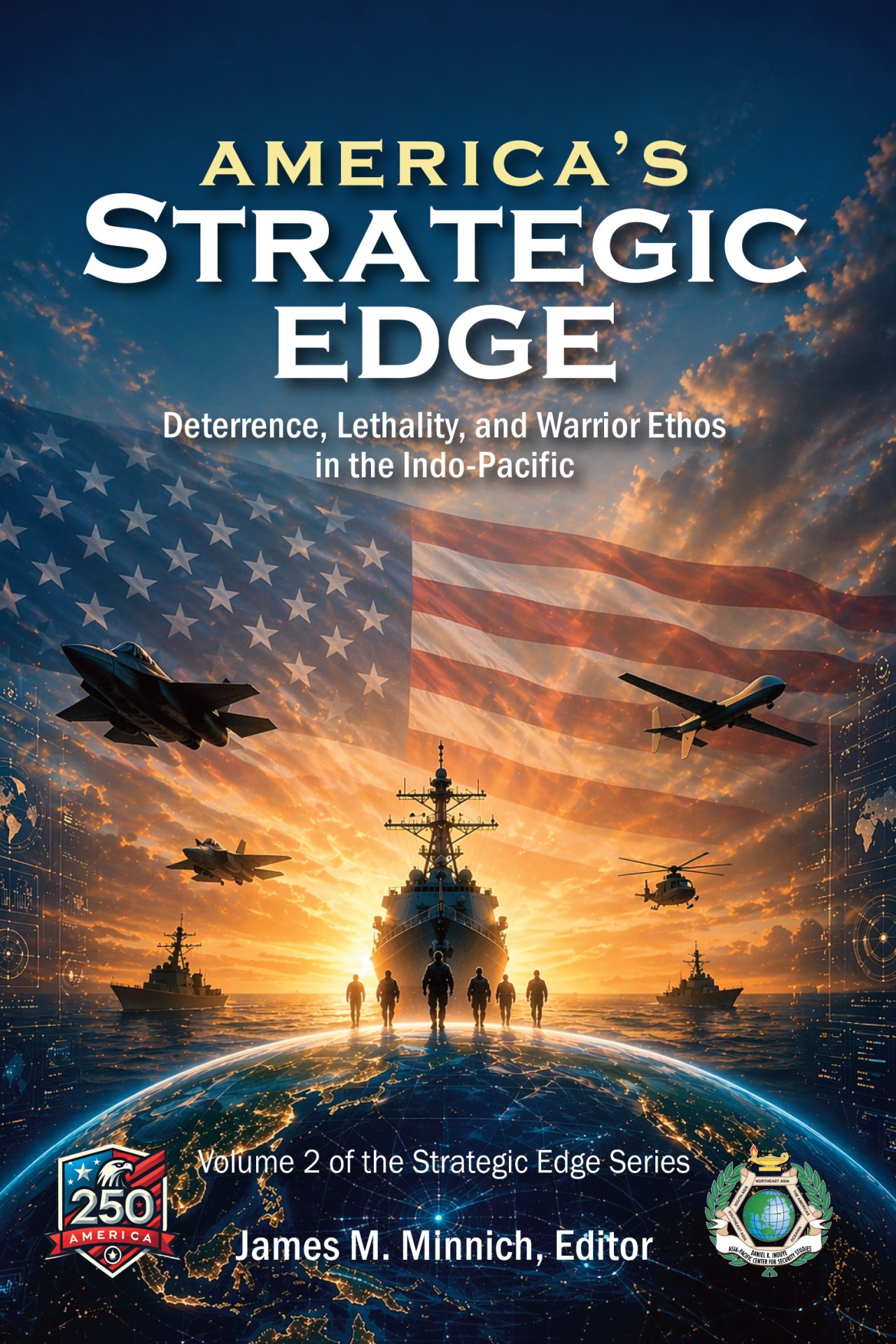
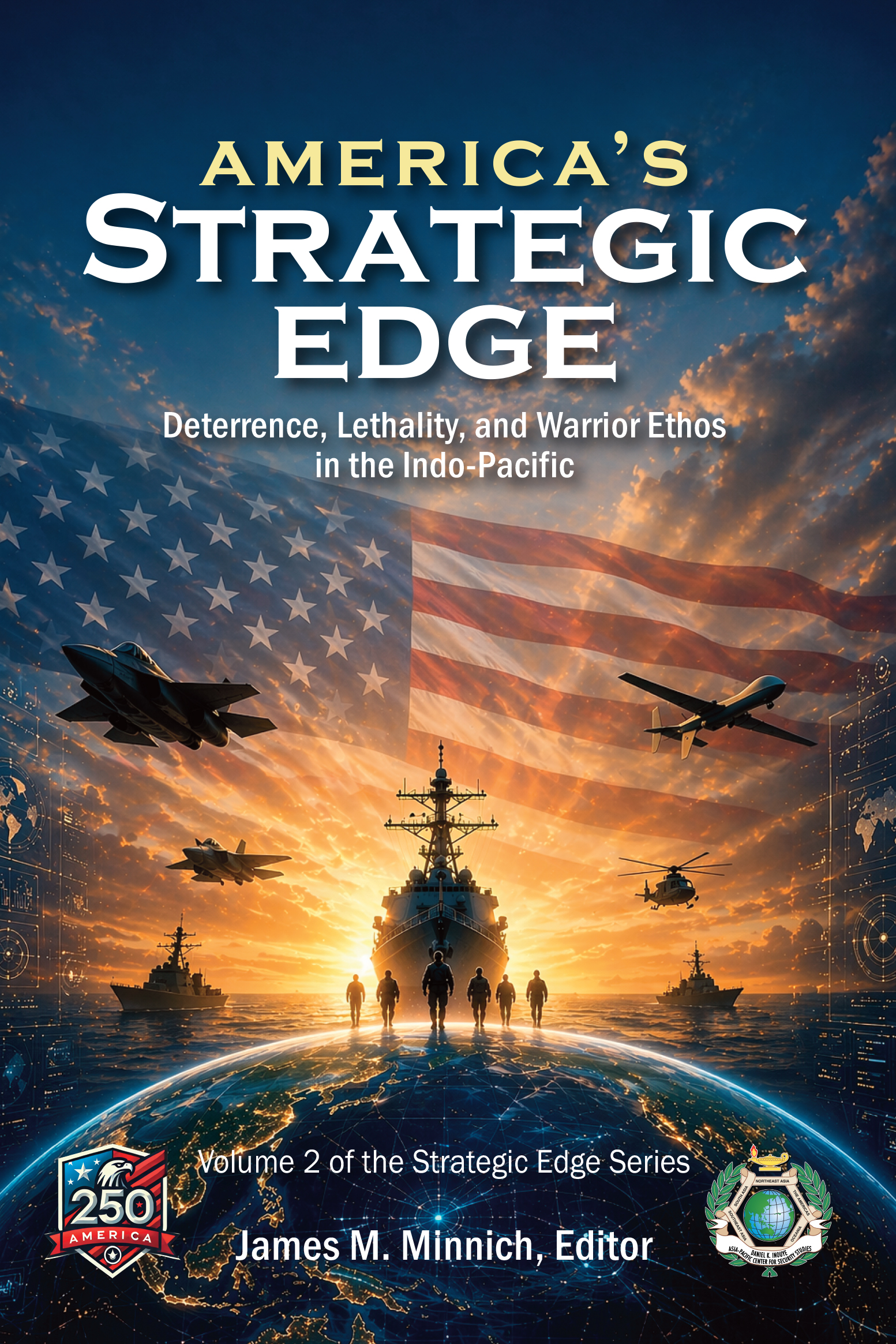
The Indo-Pacific security architecture is undergoing its most significant transformation since the end of the Second World War. As the United States and its partners navigate this era of competitive multipolarity, the requirement for rigorous strategic assessment of military and national power has never been greater. America’s Strategic Edge: Deterrence, Lethality, and Warrior Ethos in the Indo-Pacific seeks to provide that assessment by examining the interconnected pillars that sustain America’s strategic edge and regional stability.

Foreword

By |2026-05-11T13:14:59-10:00May 11, 2026|Categories: Edge|Tags: , , , , , , , , , |

The Indo-Pacific is the gravitational center of global security in the twenty-first century. Home to the world’s most dynamic economies and vital sea lanes, it is also a landscape defined by rapid military modernization, contested domains, and intensifying competition. Preserving peace depends not only on credible military advantage, but on disciplined leadership and ironclad partnerships that uphold regional stability.

Responsibility in Machine-Age Warfare

By |2026-05-12T10:17:30-10:00May 11, 2026|Categories: Feller, Edge|Tags: , , , , , , , , , |

The central ethical risk of military AI is not machine autonomy but human abdication: the tendency to treat algorithmic speed, confidence scores, and procedural validation as insulation from responsibility in war. Examining autonomy, remote warfare, cyber operations, and biotechnology, the chapter argues that preserving the warrior ethos in machine-age warfare requires leaders to retain the burden of command while building accountability, epistemic competence, and structural safeguards that keep responsibility inseparable from authority.

Organizing Power

By |2026-05-11T12:33:36-10:00May 11, 2026|Categories: Kunce, Edge|Tags: , , , , , , , , |

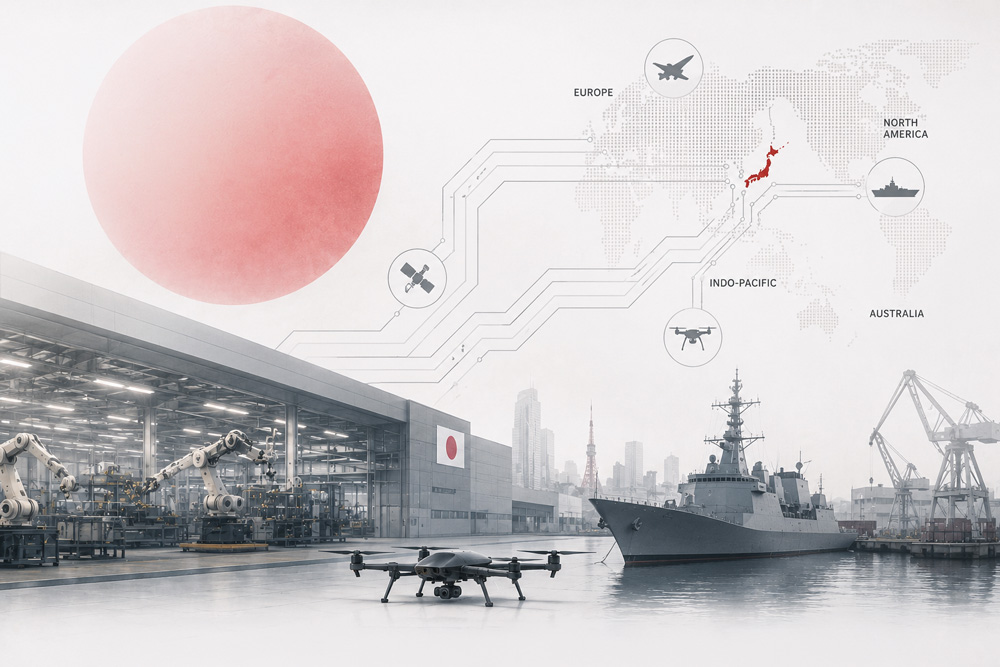
Resilience in the twenty-first century depends less on raw technological superiority than on a nation’s ability to organize power coherently, legitimately, and at speed across government, the military, industry, and society under sustained pressure. Through a comparative analysis of democratic resilience and China’s military-civil fusion model, the chapter argues that the United States must strengthen whole-of-society coordination and public-private integration to preserve legitimacy, maintain escalation control, and sustain strategic advantage during prolonged competition.

Warrior Ethos in Hybrid War

By |2026-05-11T12:25:32-10:00May 11, 2026|Categories: Kunce, Edge|Tags: , , , , , , , |

In an era of hybrid warfare and machine-speed decision cycles, the decisive advantage lies not only in technology or lethality, but in the cognitive, moral, and psychological endurance of the force. The chapter argues that resilience, post-traumatic growth, and fortitude are essential components of the warrior ethos, sustaining the ethical clarity, disciplined judgment, and purposeful persistence necessary for deterrence, readiness, and long-term strategic legitimacy.

Warrior Traditions, Modern Strength

By |2026-05-11T12:09:39-10:00May 11, 2026|Categories: Minnich, Edge|Tags: , , , , , , , , , |

Warrior traditions across the Indo-Pacific remain living sources of cohesion, professionalism, and operational effectiveness, shaping how militaries train, lead, and cooperate in coalition environments. By examining martial legacies from Oceania to Northeast and Southeast Asia—and linking them to the American tradition of disciplined initiative and decentralized command—the chapter demonstrates how shared warrior values strengthen interoperability, trust, and coalition resilience in an era of distributed operations and strategic competition.

Lead at the Edge

By |2026-05-11T11:56:10-10:00May 11, 2026|Categories: Minnich, Edge|Tags: , , , , , , , , , |

Leadership remains the decisive asymmetric advantage in an era where success depends not only on technology and firepower, but on the ability to integrate Ethos, Adaptability, Connection, and Decision into disciplined action at the edge. Through the E-A-C-D framework, the chapter demonstrates how strategic leaders build resilient teams, align alliances, empower decentralized execution, and sustain moral clarity under the pressures of all-domain warfare.

Allied Shipyards, American Strength

By |2026-05-12T10:08:30-10:00May 11, 2026|Categories: Sitaraman, Edge|Tags: , , , , , , , , , , , |

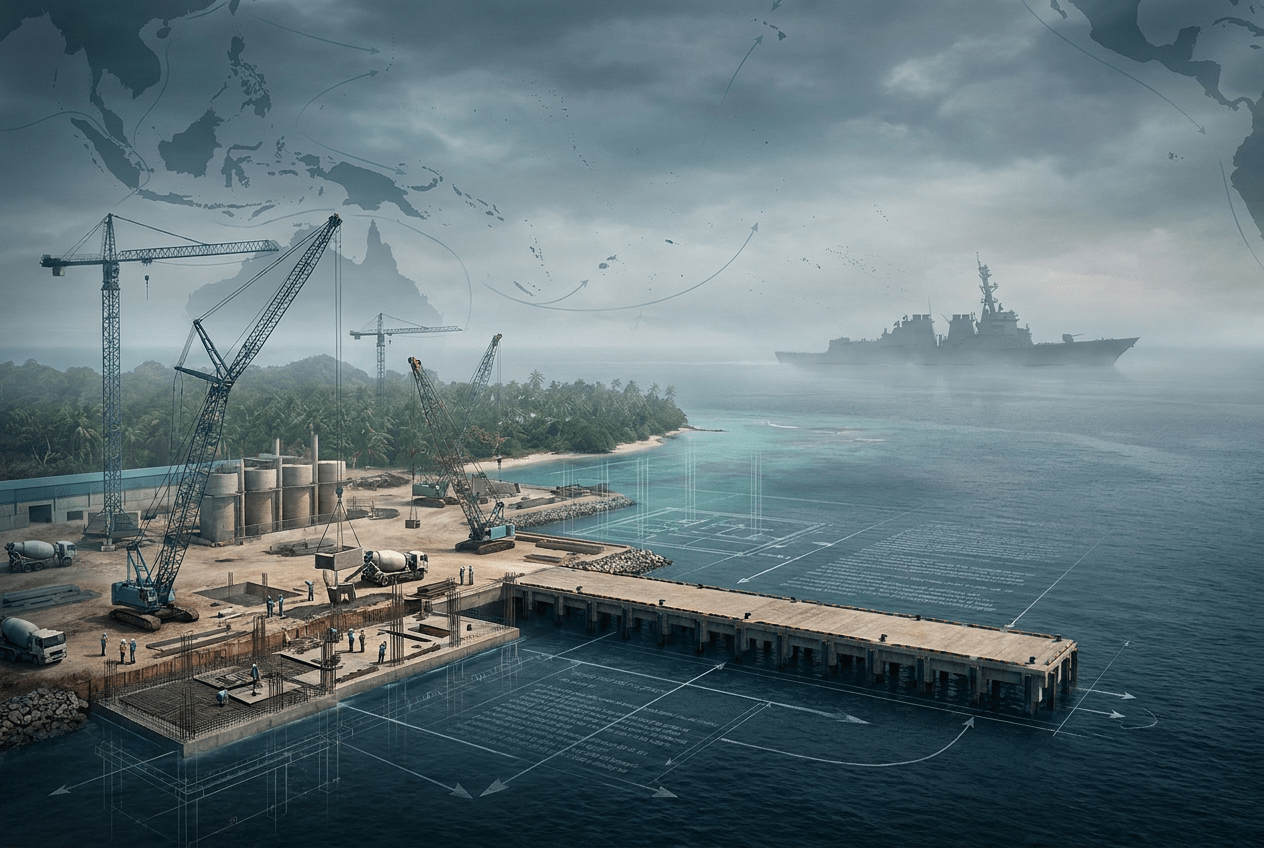
Maritime deterrence in the Indo-Pacific depends not only on fleet size, but on the industrial system capable of sustaining, repairing, and regenerating combat power at speed. The chapter demonstrates how aligning allied shipbuilding capacity with American standards, modernizing domestic infrastructure, and integrating distributed sustainment hubs across trusted partners can transform industrial resilience into operational availability—and availability into strategic advantage.

Algorithmic Speed and The Future of Lethality

By |2026-05-12T10:05:58-10:00May 11, 2026|Categories: Watson, Edge|Tags: , , , , , , , , , , |

Multi-Domain Operations (MDO) are emerging as the U.S. military’s answer to China’s system-centric approach to warfare, which seeks to disrupt and paralyze the connective architecture of joint operations. The chapter argues that deterrence in the Indo-Pacific will depend less on platform dominance than on the ability to integrate forces, fuse information, and sustain resilient, allied-enabled command and control through CJADC2 across contested multi-domain environments.

New Courses

Contact Info

1600 Amphitheatre Parkway New York WC1 1BA

Phone: 1.800.458.556 / 1.800.532.2112

Fax: 458 761-9562

Web: ThemeFusion

Recent Posts

Go to Top